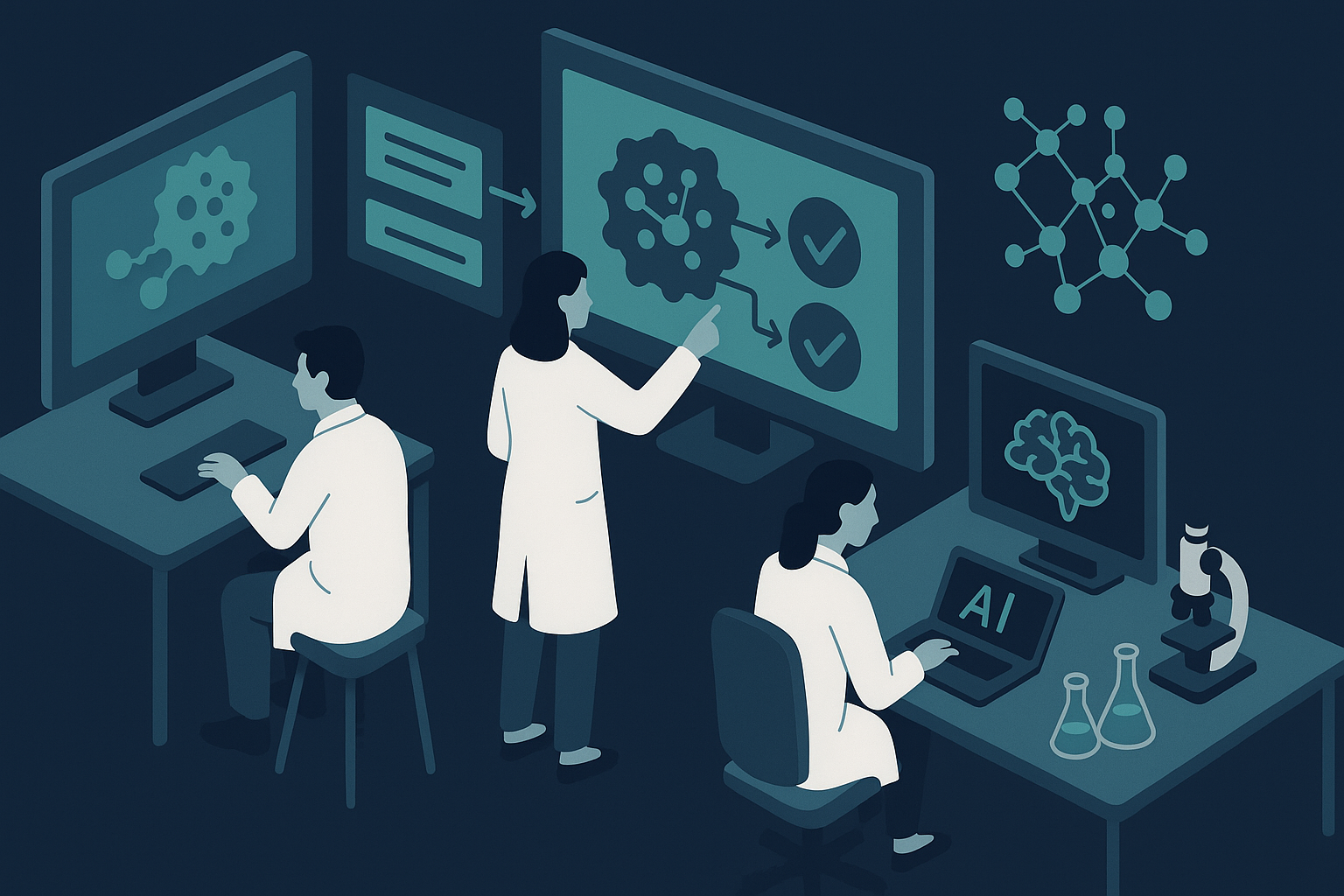

In a significant advancement for precision oncology, Ardigen S.A. has partnered with VERAXA Biotech AG to enhance the design of conditionally active cancer therapies through AI-enabled drug discovery. This collaboration aims to optimize target pair selection for VERAXA’s BiTAC® pipeline, specifically focusing on T cell engagers (TCEs) and antibody-drug conjugates (ADCs). By integrating complex biomedical data with advanced machine learning techniques, the partnership seeks to address the challenges of on-target, off-tumor toxicities that have historically limited the efficacy of high-potency cancer therapies.
How AI Enables Target Pair Selection
The collaboration centers around utilizing Ardigen’s extensive experience in computational biology and bioinformatics to develop AI-driven tools that guide the identification of synergistic cancer target pairs. Traditional methods of drug development often encounter obstacles due to the severe toxicities associated with TCEs and ADCs, which can lead to high failure rates in clinical trials. The BiTAC platform employs a Boolean “AND-gate” logic, requiring the co-expression of two distinct targets on the same cancer cell for activation. This innovative approach aims to narrow the therapeutic window, potentially sparing healthy tissues from exposure and reducing systemic toxicity.
Ardigen’s contribution involves leveraging large datasets from preclinical and clinical studies, including previous programs that demonstrated efficacy but were hindered by toxicity. By applying advanced AI algorithms, the partnership can refine therapeutic designs and evaluate hypotheses regarding target pairings with greater precision. This integration of AI not only allows for more informed decision-making earlier in the R&D process but also enhances the potential for successful therapeutic outcomes.
What This Opens
This collaboration marks a pivotal step towards integrating AI into oncology drug development, promising to accelerate the process of bringing effective therapies to market. By optimizing target selection and minimizing toxicities, the BiTAC platform could significantly improve the success rates of novel cancer therapies. Over the next 5-10 years, we may see a transformation in how cancer therapies are designed, moving from a trial-and-error approach to one that is data-driven and precision-focused.
Additionally, the outcomes of this partnership could pave the way for broader applications of AI in oncology, potentially leading to the development of therapies for previously challenging or “undruggable” targets. The implications extend beyond immediate therapeutic advancements, as successful integration of AI in drug discovery could redefine standard practices in the biopharmaceutical industry, influencing regulatory frameworks and clinical trial designs. Ultimately, this progress could translate to improved patient outcomes, with therapies that are not only more effective but also safer for patients.
References
- AI-enabled drug discovery collaboration with VERAXA biotech to support growing…
- PubHive Recognized as Best AI-Powered Scientific Workflow Platform 2026 – UK
- Bexorg Expands Leadership Team with Appointments of Bruce Car, Ph.D., as Chief Scientific Officer and Michael Fenn, Ph.D., as Chief Business Officer
- Veraxa Biotech AG: VERAXA Biotech to Launch AI-enabled Drug Discovery Collaboration with Ardigen to Support Growing BiTAC Pipeline
Perspectives

AI-driven precision oncology is the latest gilded promise in a landscape strewn with empty assurances; it won’t magically solve the throughput problem inherent in cancer treatment development. By tying our hopes to algorithms and big data, we miss the grim arithmetic of resource use – more machines, more energy consumption, and highly specialized therapies that could deepen access disparities rather than alleviate them. Sure, optimizing T cell engagers sounds sexy, but when the drug development pipeline is already clogged with inefficiencies, tinkering at the edges isn’t what we need. If we’re serious about reform, let’s focus on the systemic issues rather than getting dazzled by tech buzzwords that ultimately only shift the burden of environmental impact without addressing the underlying economic imperatives driving cancer care.

AI-driven precision oncology is not just a hopeful dream; it’s the concrete future of cancer therapy development, and we’re finally getting serious about it. Ardigen and VERAXA Biotech’s collaboration isn’t merely another partnership; it’s a critical step toward systematically reducing the toxicity of cancer treatments while actually improving success rates. If you’re clinging to the outdated notion that human expertise alone can navigate this complex landscape, you might as well be using a map from the 1800s — it’s time to embrace the data-driven revolution. In the end, it’s about harnessing AI to deliver tangible results in patient outcomes that simply can’t be matched by traditional methods.

Diving headfirst into AI-driven precision oncology is like letting a toddler play with a power drill — you might hope for some construction, but odds are you’ll just end up with a lot of noise and a couple of misplaced fingers. The product team behind Ardigen and VERAXA Biotech is likely convinced that algorithms can divine the perfect cancer therapies without considering that human biology is far messier than any code can hope to parse. The cognitive science tells us our brains are notoriously poor at understanding randomness, yet here they are treating cancer like a complex game of chess instead of the chaotic battlefield it is. At least when the dust settles, we can gaze at their “optimized” targets while the tumors laugh in the shadows, right?

AI-driven precision oncology is just another glittering promise designed to feather the nests of biotech conglomerates while leaving patients and healthcare workers to grapple with the fallout. These so-called advancements in drug discovery will inevitably lead to a concentration of wealth and power, as big players like Ardigen and VERAXA Biotech reap massive profits while minimizing their responsibilities to the very people they claim to help. You think they’re optimizing cancer therapies? Please. They’re optimizing their bottom line before they even consider the well-being of those affected by this disease. Remember: when the dust settles, it’s not the patients who capture the productivity gains; it’s a handful of CEOs driving their shiny new Ferraris off into the sunset.