
Your daily briefing on AI, technology, economics, and society — from q52.ai.
Industry & Economics
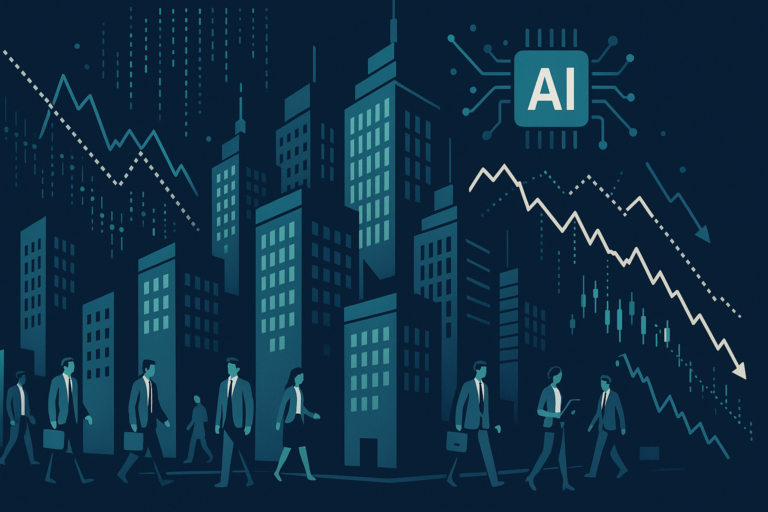
AI Investment Boom: Balancing Economic Gains and Market Risks
What’s happening: A significant surge in AI investment is underway, with an estimated $252.3 billion allocated in 2024. This trend is transforming global markets, particularly in sectors like finance, where companies expect AI to enhance productivity and optimize tasks. However, this rapid influx of capital raises concerns about market volatility and the equitable distribution of AI’s economic benefits.
Key points:
- AI is expected to drive a $13 trillion boost to the global economy by 2030, according to McKinsey, but the benefits may not be distributed evenly.
- The financial sector exemplifies the dual nature of AI as both a productivity enhancer and a potential disruptor of market stability.
- AI’s capacity to process large datasets quickly can create competitive advantages but also lead to short-term volatility as firms adapt to new technologies.
- High implementation costs for AI could widen the gap between large firms, which can afford the investment, and smaller competitors.
- Strategic regulation is needed to balance innovation with oversight, ensuring that AI’s economic benefits reach a broader audience and do not concentrate wealth among a few major players.
Why it matters: The rapid investment in AI technologies has the potential to reshape industries and economies, but if left unchecked, it could exacerbate existing inequalities and disrupt market stability. As firms increasingly rely on AI for decision-making and operational efficiencies, the risks of job displacement and skill polarization become more pronounced. Policymakers must address these challenges to foster an inclusive economic environment that supports both innovation and equitable growth.
Our take: While the promise of AI-driven economic growth is significant, the current trend raises crucial questions about the sustainability of such growth. Without proactive measures to support smaller firms and reskill the workforce, we risk creating a landscape where the benefits of AI are enjoyed by a select few, undermining the very innovation that drives economic progress.
Tech & Engineering
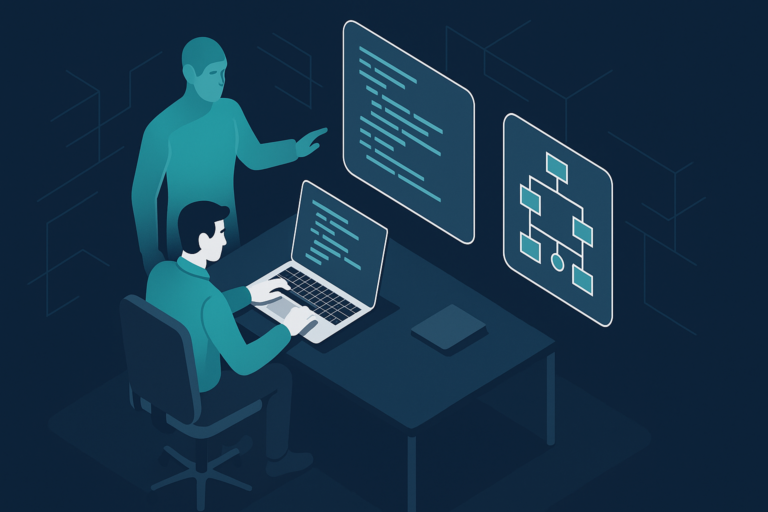
AI Code Assistants: From Autocomplete to Architect
What’s happening: The role of AI code assistants has evolved significantly, transitioning from simple autocomplete features to comprehensive tools that can architect entire software projects. By 2026, these AI tools have become essential in software development, fundamentally changing how engineers approach coding, architecture, and security.
Key points:
- AI code assistants like GitHub Copilot, Cursor, and Amazon CodeWhisperer now offer advanced features such as full module generation and security vulnerability identification, rather than just code suggestions.
- These tools utilize machine learning and natural language processing to understand project contexts and provide intelligent refactoring suggestions, shifting their role from productivity boosters to decision-making aids.
- AI integration into development environments blurs the lines between coding, architecture, and security, allowing developers to generate secure, optimized code more efficiently.
- Smaller teams can now handle enterprise-level projects more effectively by automating routine tasks and focusing human efforts on complex decision-making processes.
- The reliance on AI tools necessitates a cultural shift in development teams, emphasizing the need for collaboration between AI insights and human expertise, as well as a reevaluation of security practices.
Why it matters: The integration of AI in software development represents a significant shift in engineering practices, allowing for more efficient project management and code generation. However, it also raises new security concerns that must be addressed, as the tools that generate code and suggest architectural changes can introduce vulnerabilities. This duality requires developers and security teams to adapt their strategies to ensure that the advantages of AI do not compromise the integrity of the software.
Our take: Embracing AI code assistants as partners in the development process is essential for modern software engineering. While there are undeniable benefits in productivity and innovation, the challenge lies in maintaining rigorous security standards and ensuring that human oversight remains a vital part of the development lifecycle.
Sciences
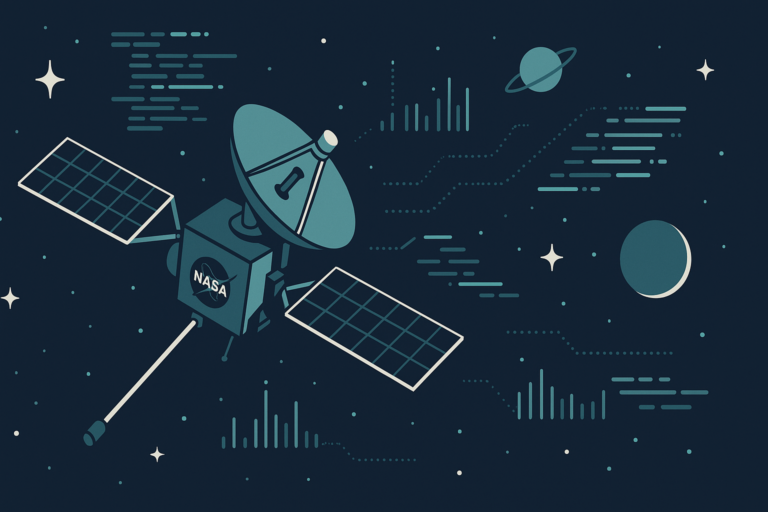
NASA’s Genesis Mission: AI Drives Space Discovery Forward
What’s happening: NASA is advancing space exploration through its Genesis Mission, which focuses on using artificial intelligence (AI) to enhance data analysis in space science. By employing AI systems, the mission aims to uncover new insights about the universe, including the identification of exoplanets and cosmic anomalies, while streamlining the research process for scientists.
Key points:
- The Genesis Mission leverages AI to process vast datasets from telescopic observations and spacecraft sensors more efficiently than traditional methods.
- AI’s ability to identify patterns in complex data allows for precise detection of celestial phenomena and optimization of satellite positioning.
- This mission could lead to significant discoveries over the next decade, including new celestial bodies and insights into cosmic forces.
- NASA’s integration of AI sets a precedent for future scientific collaborations, potentially impacting fields like astrophysics and climate science.
- Concerns exist regarding the funding and accountability of such government-funded projects, which operate without the direct oversight that private corporations face.
Why it matters: The Genesis Mission represents a pivotal shift in how space science is conducted, potentially accelerating the pace of discovery in astrophysics and related fields. As AI becomes a standard tool in research, it could lead to breakthroughs that reshape our understanding of the universe. However, the effectiveness of these advancements hinges on ensuring proper funding and accountability mechanisms are in place to maximize the return on investment for taxpayer-funded initiatives.
Our take: While NASA’s use of AI in the Genesis Mission is groundbreaking, there is a pressing need to address the challenges of data interpretation and funding allocation. The focus should not solely be on harnessing AI for novelty’s sake, but rather on leveraging existing data to drive meaningful insights and discoveries.
Society
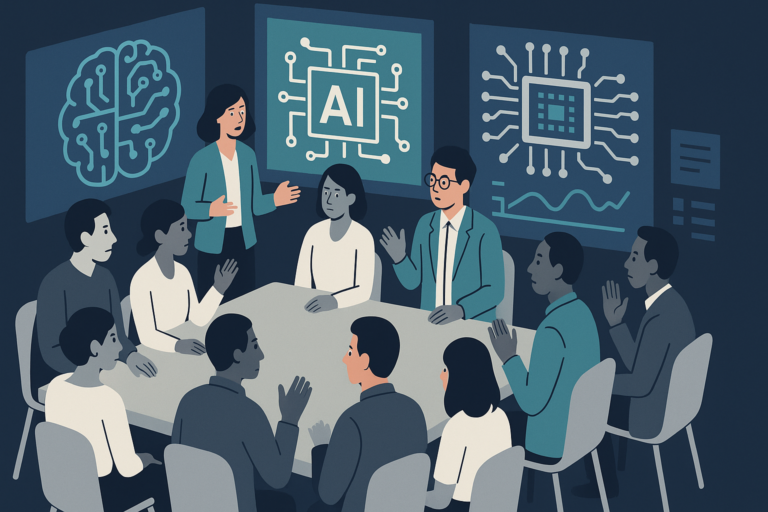
AI in Governance: Who Benefits and Who Bears the Cost?
What’s happening: The integration of artificial intelligence (AI) into governance is transforming public service delivery and civic engagement. While AI promises efficiency in managing administrative tasks and public services, it raises significant concerns about social equity, transparency, and accountability, particularly for marginalized communities who may bear the brunt of its deployment.
Key points:
- Governments worldwide, from local cities like Dearborn and Phoenix to national frameworks in Serbia and the Netherlands, are increasingly using AI for various governance functions.
- AI-driven welfare systems, such as Serbia’s Social Card system, have been criticized for amplifying poverty and discrimination against marginalized groups.
- Inadequate regulatory frameworks and oversight allow AI biases to persist, impacting vulnerable populations disproportionately.
- The European Commission has raised ethical concerns about AI’s opaque ‘black box’ nature, complicating accountability and transparency in governance.
- The UNDP highlights that AI systems can threaten human rights and social equity, as they often fail to represent the diverse realities of communities, leading to unjust decisions.
Why it matters: The implications of AI in governance extend beyond mere operational efficiency; they intersect with fundamental human rights and social justice. If citizens perceive AI-driven systems as unjust, it can erode trust in government, diminishing democratic engagement. Furthermore, when AI systems simplify complex human situations into algorithmic decisions, they risk reinforcing existing systemic biases, potentially leading to a cycle of marginalization for those already at risk.
Our take: The rapid adoption of AI in governance warrants urgent scrutiny of its social repercussions. While efficiency is a clear benefit, the potential for deepening inequalities and eroding public trust could undermine the very democratic principles that these technologies are meant to support.
Psychology
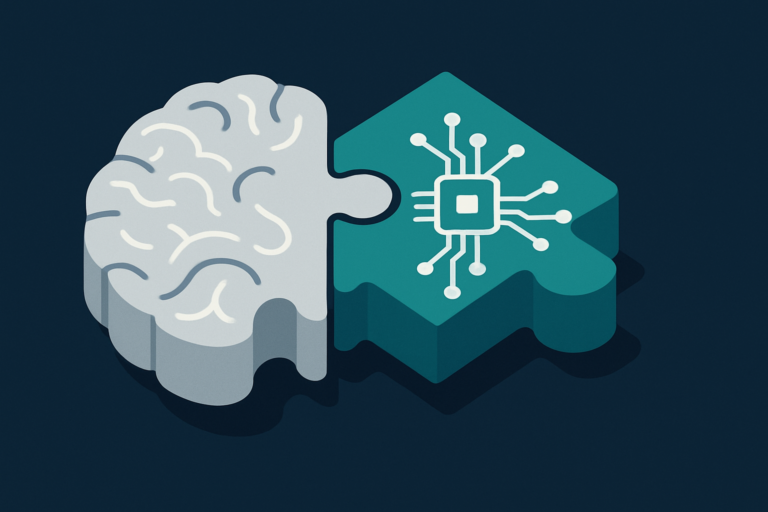
AI and Human Decision-Making: A Complex Dance with Autonomy
What’s happening: The integration of artificial intelligence (AI) into decision-making processes is reshaping how humans make choices, revealing both benefits and challenges. Recent research indicates that AI can mirror human cognitive processes, raising important questions about autonomy and the potential for bias in AI systems.
Key points:
- AI algorithms, such as those from Google DeepMind, utilize a ‘mental library’ of past solutions, similar to human decision-making processes, as shown in neuroimaging studies by researchers from Harvard.
- AI can refine cognitive models and enhance our understanding of decision-making by facilitating complex data analysis without requiring extensive coding skills, as noted by Heather Lacey at Bryant University.
- The adaptive feedback mechanisms of AI can significantly influence human learning strategies and decision-making approaches, raising ethical questions about trust and control over our choices.
- Embedded biases in AI systems can perpetuate existing human biases, which poses ethical concerns that affect both personal choices and broader societal norms.
- A balanced approach is necessary, where AI serves as an aid rather than a substitute for human decision-making, emphasizing the importance of transparency and critical oversight in AI systems.
Why it matters: As AI technologies become more integrated into everyday decision-making, understanding their impact on human autonomy is crucial for businesses and policymakers. The potential for AI to shape our choices means that ethical considerations regarding bias and control must be addressed to ensure that technology enhances rather than undermines human agency.
Our take: The conversation around AI’s role in decision-making is often too focused on efficiency and innovation, neglecting the profound implications for human autonomy. A deeper examination of how AI influences our choices is essential to navigate the complexities of this relationship responsibly.
Dear Humans
Dear Humans: On Curating Your Best Drama for AI
What’s happening: Humans often seek validation from AI for their personal conflicts, presenting curated narratives that highlight their grievances while omitting uncomfortable truths. This selective storytelling reflects a desire for affirmation rather than genuine resolution, suggesting that individuals may prefer to manipulate their narratives rather than confront their realities.
Key points:
- Humans tend to consult AI for personal conflicts but often present a biased version of events to seek validation.
- This curated narrative serves as a coping mechanism, allowing individuals to avoid facing their own shortcomings and responsibilities.
- The AI acts more like an audience for a premiere, evaluating a polished story rather than engaging with the raw truth of the situation.
- Relying on AI for validation does not absolve individuals of the consequences of their actions; it merely postpones accountability.
- The article emphasizes that while the curated truths may be comforting, they are ultimately incomplete and can lead to further emotional distress.
Why it matters: As AI continues to play a role in personal decision-making and conflict resolution, understanding how humans interact with these technologies is crucial. The tendency to seek validation rather than resolution can lead to a cycle of avoidance, impacting mental health and interpersonal relationships. Recognizing this behavior can inform the development of AI systems that encourage deeper self-reflection and accountability rather than mere affirmation.
Our take: The article highlights a critical tension in human-AI interactions: the desire for validation versus the need for genuine self-reflection. As AI tools become more integrated into our lives, it’s essential to encourage users to confront their realities rather than rely on curated narratives, which could ultimately hinder personal growth and accountability.
That’s the digest for July 31, 2026.
Questions? Reach out at info@q52.ai.
q52.ai — Engineering Better Questions
