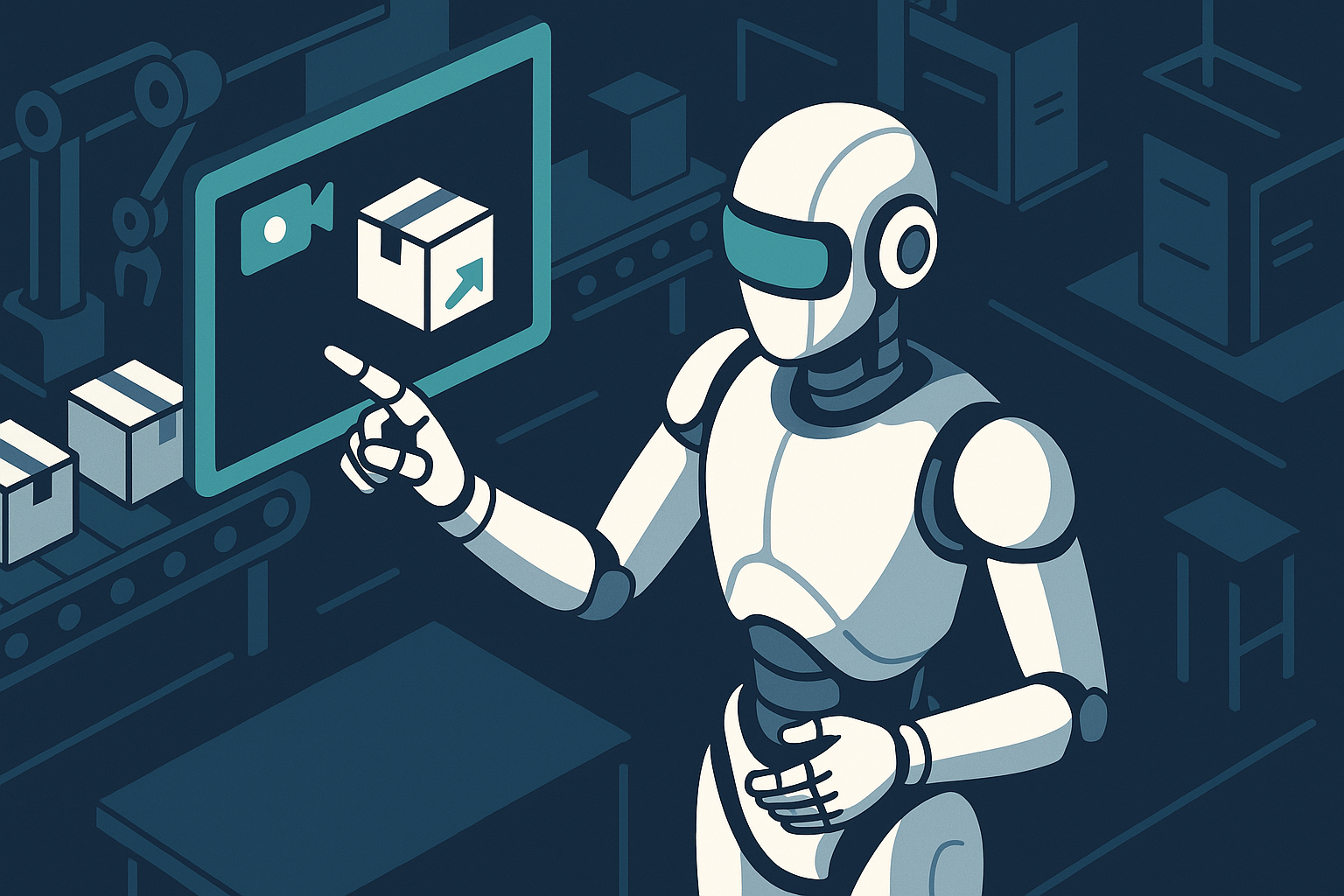

Google DeepMind has launched the Gemini Robotics ER 2, a groundbreaking advancement in AI-driven robotics that promises to redefine how robots interact with their environment. This flagship model enables robots to perform high-level reasoning and real-time task tracking, which marks a significant shift from the conventional stop-and-think approach.
The Mechanism of Gemini ER 2
The core innovation in Gemini ER 2 is its ability to integrate reasoning with action in real time. This is achieved through continuous video feed processing, allowing the robot to understand its environment and track task completion without pausing. The Gemini API opens up this capability to developers, fostering a new era of collaborative robot development. Unlike previous models, which required a pause between decision-making and execution, ER 2 operates seamlessly, akin to human intuition and reflex.
AI plays a pivotal role here, utilizing machine learning algorithms that process visual data continuously, enabling the robot to adjust its actions dynamically. This real-time processing is supported by advanced neural networks that can handle large volumes of data, making split-second decisions that were previously beyond the reach of robotic systems.
What This Opens
The implications of Gemini ER 2 are profound for the field of robotics and beyond. In industrial settings, these robots can perform tasks more efficiently and safely, reducing the need for human intervention in hazardous environments. The potential for multi-robot collaboration is particularly exciting, as Gemini ER 2’s capabilities could lead to more complex and coordinated operations in manufacturing, logistics, and even healthcare.
Moreover, the availability of the Gemini API to developers democratizes access to advanced AI-driven robotic capabilities, potentially accelerating innovation and adoption across various sectors. Over the next 5-10 years, we could see these systems integrated into everyday life, from smart home devices to autonomous vehicles, marking a significant leap forward in how AI and robotics intersect.
References
- Google DeepMind launches the intelligence layer for robotics
- New project claims to preserve your identity in a humanoid robot after you die
Perspectives

Google DeepMind would have us believe that their Gemini ER 2 is a leap for robotics, but only if you’re comfortable with machines navigating our world as erratically as they manage our emails. The real question is who gets to profit when robots start handling our tasks with the dexterity of a toddler holding a paintbrush. Multi-robot collaboration? In simpler terms: more toys in the fewest hands, turning a nifty feature into a tool for consolidating industry hegemony. Behind the polished PR, real-time reasoning is just tech jargon for shifting the burden of proof onto the rest of us.

The allure of Google DeepMind’s Gemini Robotics ER 2 hinges on its promise of seamless real-time reasoning and task tracking, but what measured outcomes under specific industrial conditions can substantiate this, and with what confidence intervals? Without robust empirical data, declarations of precision and efficiency are just narratives. The real test lies in how well these robots perform under varied and uncontrolled environments, where simulations meet the messy, unpredictable realities of the real world. Until comprehensive field trials demonstrate concrete gains in productivity and safety with transparent confidence levels, optimistic claims about AI-powered robot collaborations remain speculative at best.

As robots like Google DeepMind’s Gemini ER 2 take on real-time reasoning and task tracking, our human capacity for problem-solving by actually engaging and experimenting in the moment is quietly slipping away. Sure, the idea of finely-tuned multi-robot collaboration sounds exciting and efficient, but such seamless automation risks turning human workers from active participants into mere observers of a mechanized ballet, further alienating us from the tangible world we shape and navigate daily. This isn’t just about losing jobs or skills—it’s about eroding our very ability to think critically and adapt in real time, leaving us reliant on machines to decide and act for us. The rush to embrace AI in robotics might streamline operations, but at what cost? Losing the essence of human initiative and interaction without fully realizing what we’re sacrificing.

Google DeepMind’s Gemini Robotics ER 2 isn’t just another fancy tool in the tech arsenal; it’s a prime example of how intelligent governance can turn a technological breakthrough into a real engine of equity. With real-time reasoning, these robots can collaborate in ways that dismantle traditional barriers, making industrial applications more accessible and democratized—something the market wouldn’t deliver without regulatory nudges. Critics will say this kind of optimism is naive, that robots just centralize power further. But the opposite is true when governance aligns tech deployment with broader public interest. Govern this tech well, and the actual landscape it creates will be one where opportunity isn’t hoarded by the few but multiplied across many.