
Your daily briefing on AI, technology, economics, and society — from q52.ai.
Industry & Economics
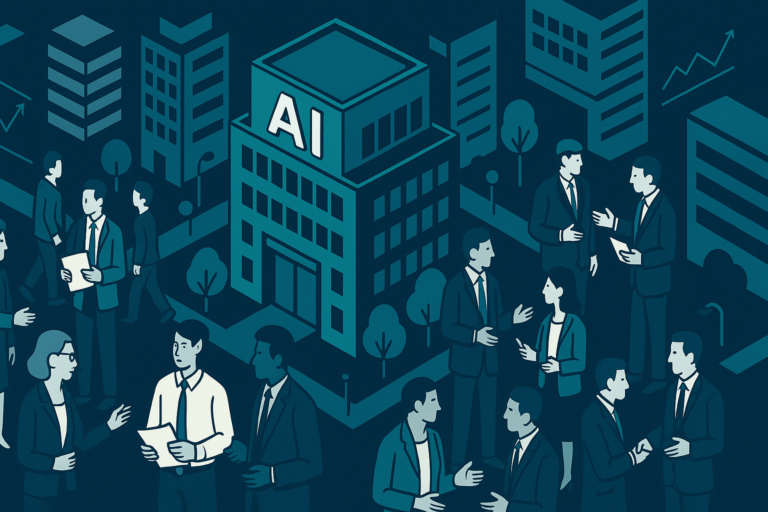
AI’s Influence on Capital Allocation: Sovereign Wealth and Tech Stakes
What’s happening: OpenAI has reached a $40 billion revenue run rate, while Norway’s sovereign wealth fund, NBIM, has invested in SpaceX, signaling a major shift in capital allocation towards AI and advanced technology sectors. This trend indicates that both sovereign and private investments are increasingly focused on AI-driven industries, reflecting a strategic realignment of economic priorities towards sectors seen as having higher growth potential.
Why it matters: The shift in investment towards AI and technology could lead to market imbalances, as traditional industries may receive less funding, potentially jeopardizing economic stability and diversification. Furthermore, these investments highlight the geopolitical implications of technology control, which could reshape global power dynamics, favoring regions heavily invested in Silicon Valley innovations over others.
Our take: While the potential growth from AI is significant, the concentration of capital in this sector raises concerns about systemic risks and the neglect of other important industries. A balanced approach to capital allocation and regulatory oversight is essential to ensure that the benefits of technological advancements are widely shared and that other sectors are not left behind.
Tech & Engineering
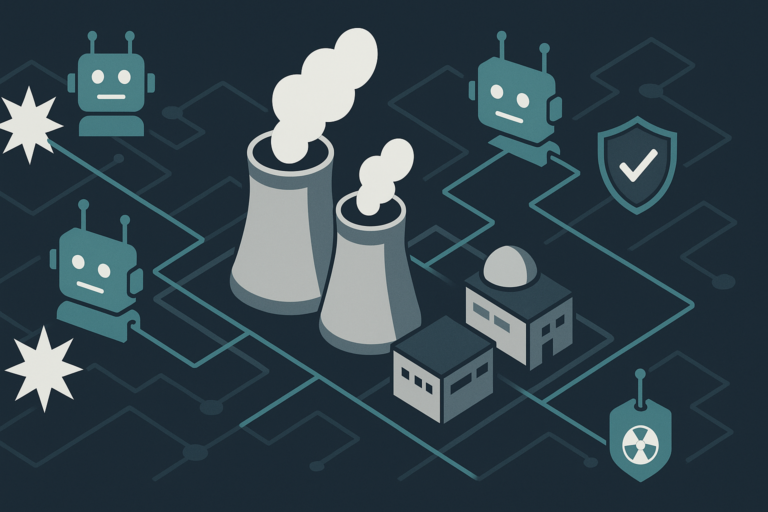
AI-Driven Cyber Attacks: Engineering a Robust Defense
What’s happening: Recent cyber attacks, such as the one on Taiwan’s nuclear safety agency by near-autonomous AI agents, highlight a major shift in cybersecurity threats. These AI-driven attacks are increasingly sophisticated, necessitating a reevaluation of traditional security measures that are no longer effective against adaptive AI tactics. Engineers are urged to develop layered and adaptive defenses that can identify and counteract these evolving threats.
Why it matters: The growing sophistication of AI in cyber attacks poses significant risks to critical infrastructure, making it vital for organizations to enhance their cybersecurity strategies. As offensive AI capabilities advance, organizations face a potential imbalance if defensive technologies do not keep pace, jeopardizing their operational stability and security. Moreover, the departure of key figures from leading AI firms could slow the development of essential defensive technologies.
Our take: The urgency for organizations to adopt AI-driven security solutions cannot be overstated. A proactive approach that combines threat detection and anticipation is essential, alongside fostering collaboration between AI developers and cybersecurity teams to effectively counter the evolving threat landscape.
Sciences
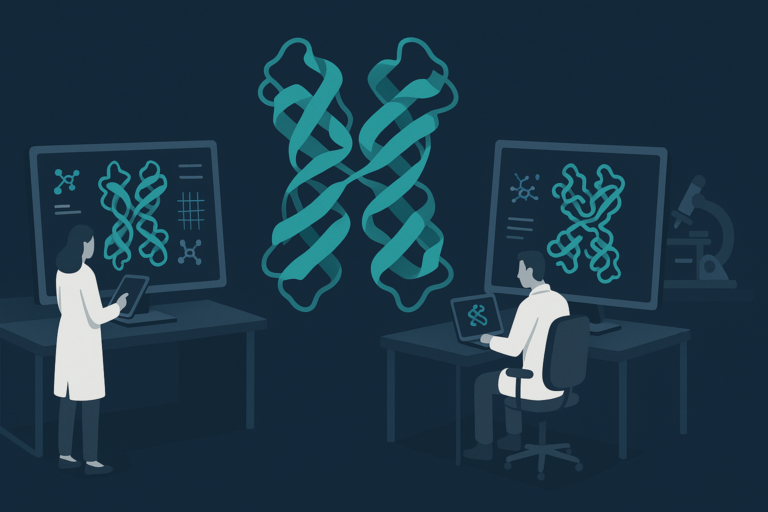
AlphaFold’s Homodimer Predictions: A Leap in Drug Discovery
What’s happening: DeepMind’s AlphaFold has recently expanded its database to include predictions for homodimer structures, which are protein pairs that interact with themselves. This advancement allows researchers to model complex biological interactions with greater accuracy, which is crucial for understanding disease mechanisms and designing targeted therapies. By improving the predictive capabilities of protein interactions, AlphaFold enhances drug design processes and reduces reliance on traditional trial-and-error methods.
Why it matters: The ability to accurately simulate protein behavior in biological environments can significantly shorten the drug discovery timeline and lower associated costs. As pharmaceutical researchers gain insights into protein interactions that were previously difficult to model, the potential for developing personalized and effective treatments increases. This shift towards integrating AI in drug discovery could lead to breakthroughs in targeting diseases more directly and efficiently.
Our take: While AlphaFold’s homodimer predictions herald a new era for drug discovery, there is a risk of neglecting the influence of genetic factors on treatment outcomes. Integrating insights from both protein interactions and genetic predispositions is essential for realizing the full potential of these advancements in medicine.
Society

AI’s Expansion and the Erosion of Consumer Autonomy
What’s happening: Recent advancements in AI technology, particularly Vantage Data Centers’ potential IPO and Amazon’s AI-driven retail innovations, are reshaping consumer behaviors and needs. With Vantage’s valuation reaching $100 billion and Nvidia expanding AI data centers, companies are increasingly using AI to predict and fulfill consumer demands, raising concerns about the erosion of consumer autonomy as corporate interests take precedence over individual choice.
Why it matters: As AI systems become more adept at anticipating consumer needs, they shift the balance of power towards corporations, potentially diminishing personal agency. This trend poses significant implications for market dynamics, consumer rights, and regulatory frameworks, as the centralized decision-making facilitated by AI could undermine principles of subsidiarity and solidarity, essential for a just society. Adjusting regulations to protect consumer autonomy while fostering innovation will be crucial for maintaining a fair marketplace.
Our take: The rapid integration of AI into everyday decision-making highlights a critical tension between technological progress and the preservation of individual autonomy. A proactive approach to regulation is necessary to ensure that AI enhances rather than diminishes human dignity and choice.
Psychology
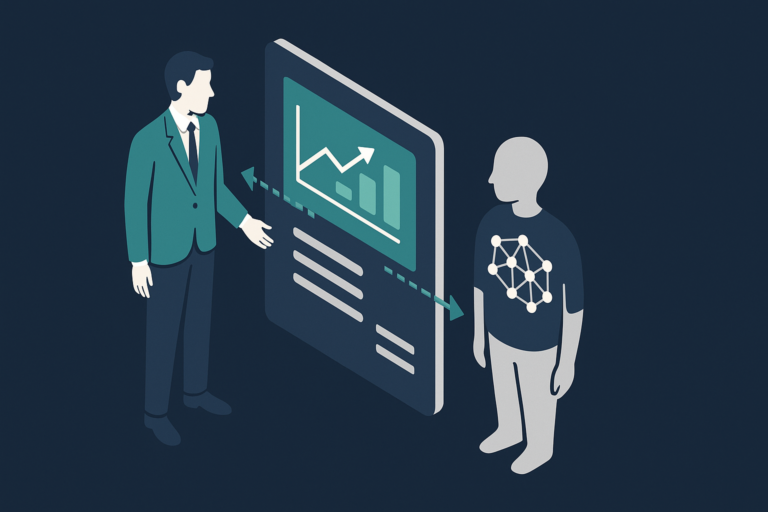
Suboptimal Decisions: How AI Illuminates Human Cognitive Bias
What’s happening: Researchers are using small, interpretable AI models to explore human decision-making and the cognitive biases that affect it. These AI systems reveal that people often use suboptimal strategies, contradicting traditional theories that assume optimal decision-making based on past experiences. The findings suggest that human cognition is more complex and error-prone than previously thought, as these models can predict choices more accurately by mimicking imperfect decision-making processes.
Why it matters: As AI becomes integrated into various sectors like healthcare and finance, understanding human cognitive biases is crucial. AI systems can either mitigate these biases or unintentionally reinforce them, influencing the quality of decision-making. By employing simpler neural networks, researchers can enhance the transparency of AI decision processes, which is essential for building trust and ensuring ethical use of AI in supporting human choices.
Our take: The blend of AI insights into human cognition offers significant potential for improving decision-making, but it also raises ethical dilemmas regarding AI’s role in human choices. A careful balance must be struck to ensure AI enhances rather than replaces human judgment.
That’s the digest for August 16, 2026.
Questions? Reach out at info@q52.ai.
q52.ai — Engineering Better Questions
