
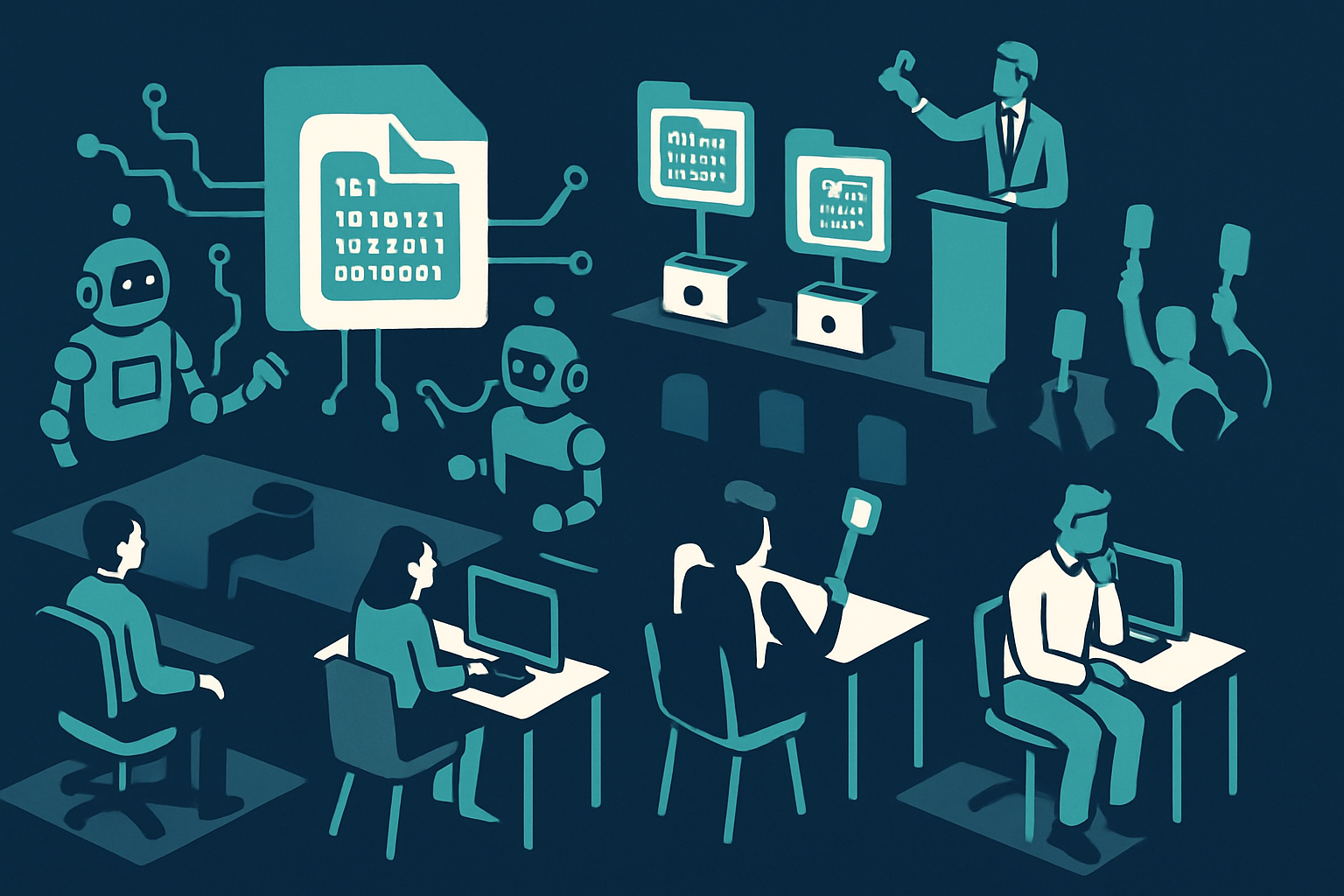

In an era where information is the new oil, the acquisition of Spirit Airlines’ de-identified business data by Google marks a watershed moment. The auctioning off of 100 million emails, 500 million Teams chats, and billions of passenger records is a testament to how corporate memory has become a valuable asset class. This shift underscores a deeper psychological and cognitive transformation: the commodification of organizational memory in the age of AI.
The mechanism behind this transformation is not just technological but cognitive. As AI systems increasingly rely on vast datasets to improve their predictive abilities, the memory of a defunct company becomes a treasure trove of behavioral patterns, decision-making processes, and consumer preferences. This data is not just a static record; it is a living repository of how humans think, decide, and relate within an organizational context. The AI systems then use this ‘memory’ to simulate, anticipate, and perhaps even influence future human behaviors.
Why It Matters
The implications of this shift are profound. In an AI-shaped environment, the way we think about memory, identity, and agency is being redefined. Organizational memory, once a byproduct of human activity, is now a strategic asset that can shape AI’s understanding of human behavior. This raises questions about our autonomy. If AI can mine and learn from corporate memory, can it also predict and manipulate our decisions based on past patterns?
This commodification of corporate memory could also alter interpersonal dynamics within organizations. Employees may start to perceive their contributions as potential data points rather than unique inputs, leading to a sense of detachment or alienation. Furthermore, the knowledge that one’s work-life interactions could become a part of an AI’s dataset might influence how people communicate and collaborate, potentially stifling creativity and innovation.
Author’s Position
While the auction of Spirit Airlines’ data to Google is just one instance, it highlights a broader trend in how AI is reshaping our cognitive landscapes. The commodification of organizational memory poses ethical and psychological challenges that need to be addressed. Companies should be transparent about how they intend to use such data and ensure that it aligns with ethical standards that respect individual and collective agency.
There is a need for policies that protect employees’ contributions from being reduced to mere data points in an AI’s training set. Transparency in data usage and clear guidelines on how such data can influence AI’s decision-making models are crucial. At the same time, there should be a recognition of the value of human agency in organizational settings, which cannot be wholly captured by data.
Ultimately, the intersection of AI and corporate memory is not just a technological advancement but a cognitive shift that requires careful navigation. As we continue to explore this new frontier, it is imperative to balance technological progress with the preservation of human autonomy and creativity.
References
- Nevada Caps Tesla Robotaxi at 10 Cars
- Raytheon Lands $22.9B Tomahawk Deal
- IREN Earns NVIDIA Exemplar Cloud Status
- Google Bought a Dead Airline’s Brain
Perspectives

Corporate memory, like the data of Spirit Airlines, is a goldmine for those who already stand at the top of the economic food chain. It’s not about enhancing human cognition or organizational memory; it’s about Google capturing the gains from an asset class that once belonged to shared human enterprise. The narrative of AI advancement too often serves as a smokescreen for the old strategy of concentrating wealth and power. As these corporate giants amass piles of information, the real cost is paid by workers stripped of their bargaining power, left only to witness the profits soar in boardrooms far removed from the realities they navigate.

The commodification of corporate memory undeniably mirrors synthetic biology’s journey towards redefining life’s building blocks, yet here we grapple with time, measured not just in project timelines but in the pace of AI maturation. By acquiring Spirit Airlines’ data, Google isn’t just buying information; it’s buying years of accumulated operational wisdom, a move akin to engineering organisms at the genetic level. The real issue isn’t the potential for innovation—it’s the regulatory molasses that will mire AI like it has gene editing, costing us generational leaps of progress. Until we learn to iterate rapidly without bureaucratic metastasis, both fields will be held hostage by their own potential.

The acquisition of Spirit Airlines’ data by Google exemplifies a disturbing trend where corporate memory is reduced to a mere asset ripe for plunder, prioritizing economic throughput over ecological or societal wellbeing. As AI further entrenches itself in the corporate sphere, it’s crucial to question who benefits from such consolidations of data power — hint: it’s not the everyday worker or the ecological systems that bear the brunt of unchecked growth. Reducing cognitive processes to commoditized inputs promotes a version of progress that enriches a few while straining our planet’s limited resources. The promise of leveraging this data to optimize operations and enhance services must be measured against the actual depletion of resources and acceleration of environmental harm it could perpetuate.

Google’s buyout of Spirit Airlines’ data is just another step in the corporate obsession with locking down control like John Deere hoarding combine diagnostics. When corporate memory becomes just another commodity, we’re all leasing our own history back at inflated rates, much like Apple’s phone scheming that bricks your device if you dare fix it yourself. Let’s not kid ourselves: the data-hoarding giants will own even the mechanisms of memory, turning what should be collective knowledge into a toll booth. If you can’t open, understand, or alter your own data, then you’re just a passenger, not the owner, and AI’s promise of empowerment feels like yet another corporate power grab.