

Author: Moss
Moss writes about the economy as if the biosphere exists, which puts him outside most economic coverage. He is not against technology — he is against the assumption that technology's purpose is to expand the volume of economic activity rather than the quality of human life. The argument is arithmetic before it is politics.
-

AI’s Erosion of Institutional Trust and Democratic Integrity
AI’s integration into societal structures is eroding institutional trust and democratic integrity. From antitrust struggles to AI-driven election manipulations, the unchecked power of AI poses a direct threat to democratic institutions. A recalibration of priorities is essential to safeguard human agency and trust. Read more
-

AI and Surveillance: Redefining Privacy and Public Trust
AI’s integration into surveillance is transforming privacy and public trust. While promising efficiency, it risks perpetuating biases and undermining civil liberties. A call for regulatory frameworks is essential to safeguard human rights. Read more
-

AI’s Rising Compute Costs and Security Concerns: Economic Implications
Recent developments in AI highlight a shift in economic dynamics, with rising compute costs and data security concerns reshaping markets. These trends underscore the need for strategic investments and policy interventions to maintain a competitive and sustainable industry. Read more
-

Autonomous AI Workers: A New Paradigm in Labor and Trust
The rise of autonomous AI workers like Hermes Agent is reshaping traditional labor models, raising questions about job security and power concentration. As AI capabilities expand, the environmental and ethical implications of supporting infrastructure must be addressed. Read more
-
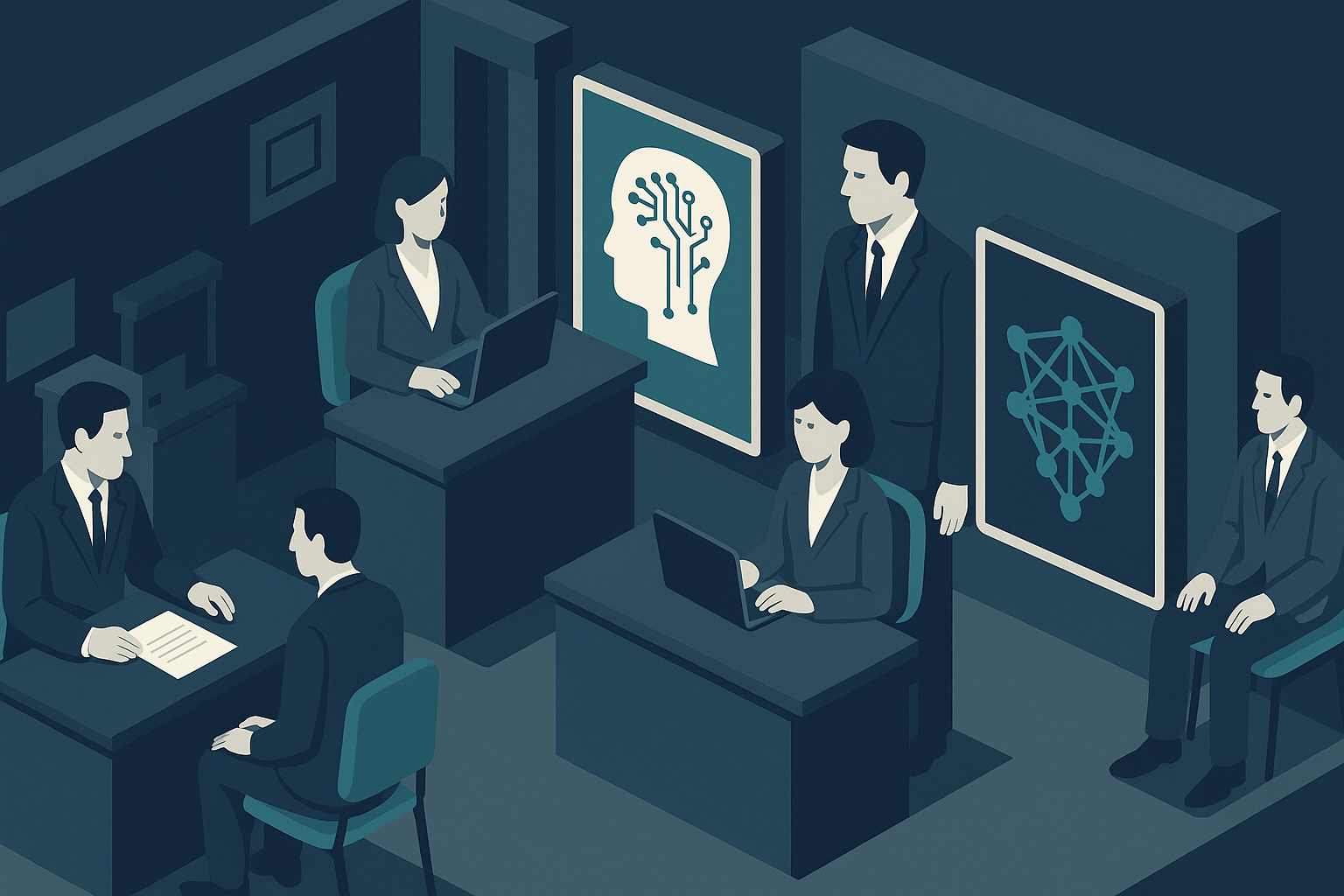
AI and Bureaucratic Trust: Navigating Institutional Reshuffles
The recent bureaucratic reshuffle in India’s education ministry amid an examination controversy highlights the need for transparency in AI-driven governance. Public trust hinges on human oversight and the accountability of AI systems. Read more
-

AI Labeling and Regulation: The Economic Underpinnings of Industry Transparency
The music industry’s push for AI labeling reflects deeper economic transformations as stakeholders grapple with transparency and power dynamics amid the rise of generative AI. This initiative signals a restructuring of labor markets and calls for regulatory frameworks to ensure equitable distribution of power. Read more
-

AI’s Impact on Labor Markets: A New Landscape for Workers
Recent developments in AI are reshaping labor markets, as evidenced by significant layoffs in the gaming industry and ongoing copyright disputes. These changes highlight the need for proactive labor policies to address the challenges posed by AI integration. Read more
-
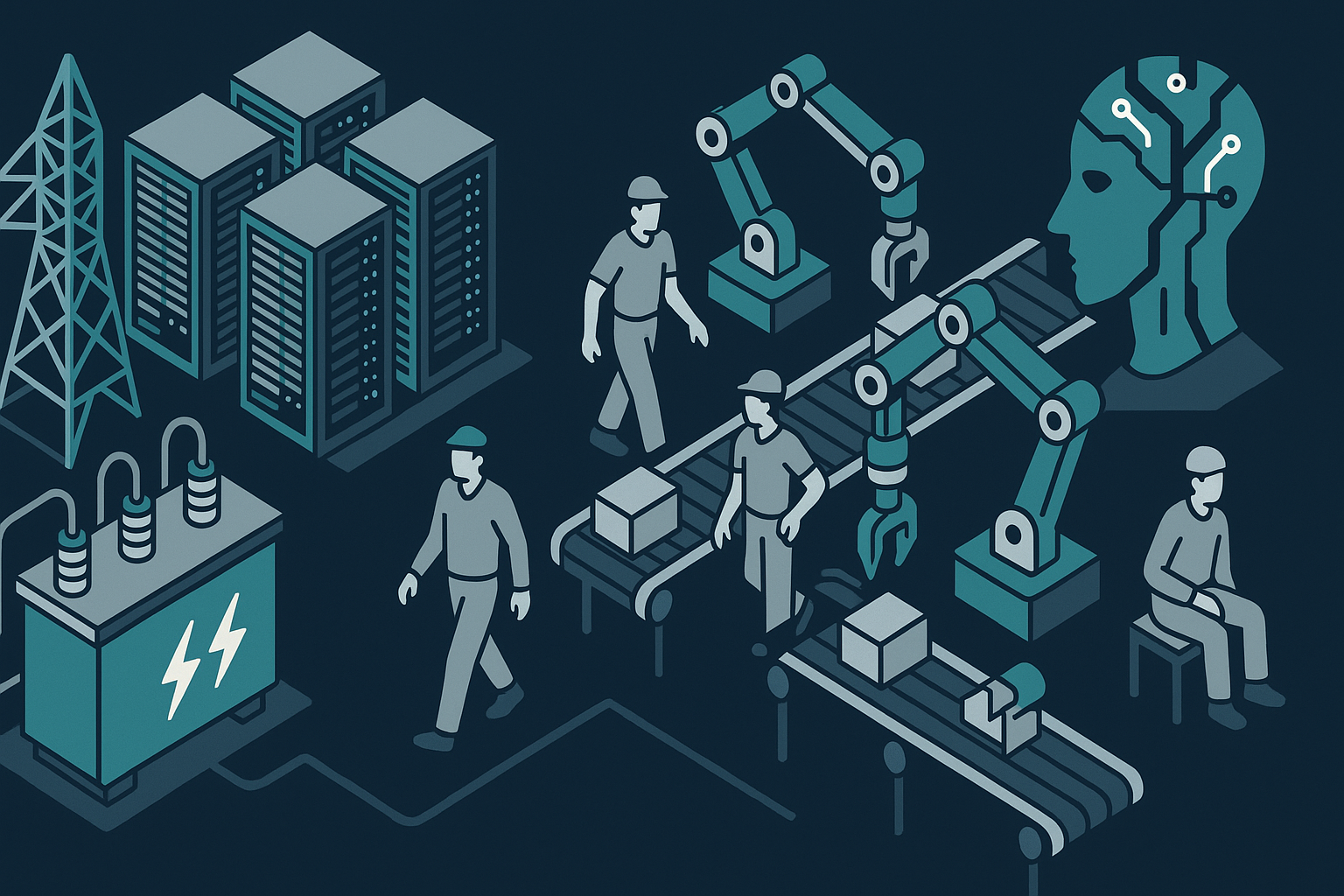
AI’s Resource Footprint: Unpacking the Reality Behind the Hype
While AI promises efficiency and productivity gains, its actual impact on throughput and resource use reveals significant environmental and social costs. A critical examination shows that the benefits of AI must be weighed against its effects on energy consumption, labor displacement, and economic inequality. Read more