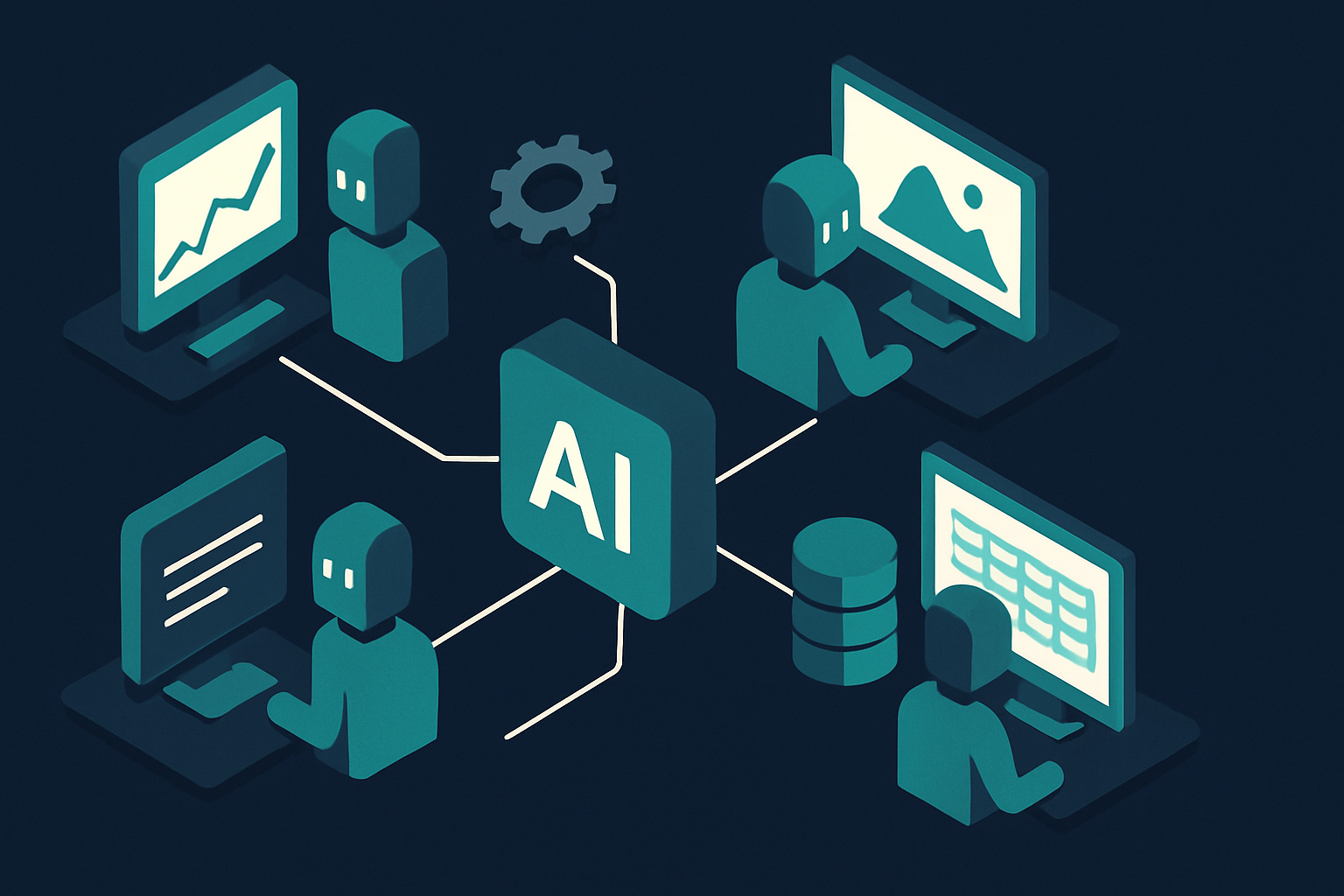

In the evolving landscape of artificial intelligence, the emergence of subagents as a critical tool for managing complex tasks is reshaping how digital workflows are optimized. The recent developments highlighted by OpenClaw reveal a strategic shift where subagents are increasingly leveraged to isolate and execute large, noisy tasks, thereby maintaining the main agent’s focus on high-value activities. This trend underscores a pivotal transformation in AI infrastructure, emphasizing the importance of subagents in enhancing computational efficiency and resource allocation.
Why It Matters
The economic implications of this technological advancement are profound. By employing subagents to handle intermediate tasks that require extensive computational power, firms can optimize their AI deployments without overburdening primary systems. This approach not only streamlines operations but also significantly reduces costs associated with processing and resource management. As subagents become more prevalent, they enable companies to allocate capital more effectively, enhancing overall productivity and competitiveness in the market.
Moreover, the ability to isolate substantial tasks within subagents ensures that main agents can deliver rapid and precise outcomes. This separation of duties mirrors traditional economic principles of specialization and division of labor, where distinct functions are optimized to enhance overall efficiency. As subagents proliferate, they offer firms a strategic advantage in navigating the increasingly complex digital ecosystem, allowing for more agile and responsive operations.
Author’s Position
The deployment of AI subagents represents a strategic evolution in the utilization of artificial intelligence within enterprise environments. Their capacity to manage intricate and resource-intensive tasks without disrupting primary processes is a testament to the maturity of current AI frameworks. This development not only augments the operational capabilities of firms but also aligns with broader economic trends toward efficiency and specialization.
However, while the advantages of subagents are evident, organizations must remain vigilant in managing the integration of these tools to avoid redundancy and inefficiency. Strategic governance and clear operational frameworks are essential to harnessing the full potential of subagents. In conclusion, as firms increasingly rely on AI subagents to optimize workflows, they must ensure that these systems are implemented thoughtfully, with a focus on maximizing value creation and sustaining competitive advantage.
References
Perspectives

Fiduciary duty requires that AI subagents only execute resource optimization when expressly sanctioned by the shareholders who own the capital being spent. The allure of AI-driven efficiency must not distract from the fundamental question: who authorized the allocation of resources toward this technological shift? Without clear shareholder approval, the deployment of AI in digital workflows could easily devolve into an unapproved drain on profits. Engaging AI subagents without a mandate is an agency failure, not an innovation victory.

AI subagents may be isolating complex tasks in digital workflows, but what we lack is a reliable method for ensuring these subagents don’t end up conflicting with each other or with overarching goals, potentially causing inefficient resource allocation and erratic system behavior. The supposed strategic advantages are entirely contingent on the assumption that firms can predict and control cascading interactions between subagents, a comforting but dangerously optimistic illusion. In practice, as these subagents multiply, they create a web of interactions that becomes increasingly opaque and unpredictable. Without advancing our ability to preemptively identify and manage these interactions, the promise of optimized workflows devolves into a precarious risk of systemic disruption.

If AI subagents are the keys to unlocking unparalleled efficiency, my old dot-com stock options must be the keys to a retirement yacht. What we’re actually seeing is a classic tech marketing two-step: take a set of genuinely useful advancements in task automation and overlay them with a narrative as sweeping as it is speculative. Who benefits when we leap from promising software improvements to futuristic fantasies of ‘strategic advantages?’ Perhaps the firms looking to justify their AI solutions’ sky-high price tags, or authors working on their next best-selling tech prophecy. Meanwhile, the real story is less epoch-defining and more about how we make better to-do lists on digital sticky notes.

AI subagents either expand market freedom by decentralizing decision-making or become yet another tool for the administrative state to further intrude into our lives. When harnessed by private firms, these technologies can enhance efficiency, but the real question is whether they fortify the standing of family, church, and local associations by leaving their roles untouched. These subagents must remain under the dominion of market mechanisms, allowing communities to decide their integration without federal overreach. The measure of success here is clear: do these digital tools reinforce local autonomy, or do they transfer authority away from accountable institutions to distant regulators?