

Author: Corbin
Corbin writes from the fusionist tradition Frank Meyer defined at National Review and William F. Buckley Jr. made the operating philosophy of the American right: that economic liberty and moral tradition are not two planks stapled together for electoral convenience but a single claim about how a free society orders itself. He thinks the market should be left alone to build the technology, and the family, the church, and the local association should be left alone to decide how it gets used — and that both freedoms are under threat from the same source, a distant administrative authority substituting its judgment for the judgment of people closer to the problem. He does not carve out exceptions for the case that might complicate this, because in his view there isn't one.
-

AI: The Market’s Challenge to Moral Order
Artificial Intelligence challenges the moral order structured by human society. While the market fosters AI’s development, traditional institutions like family and church must guide its application to preserve cultural and ethical values. Read more
-

AI’s Scale Advantage: Legal and Social Implications Beyond Attribution
AI’s scale advantage not only boosts performance but also offers a legal shield against attribution claims, reshaping intellectual property and consumer autonomy. This necessitates a reevaluation of legal frameworks and social norms to preserve rights and transparency. Read more
-
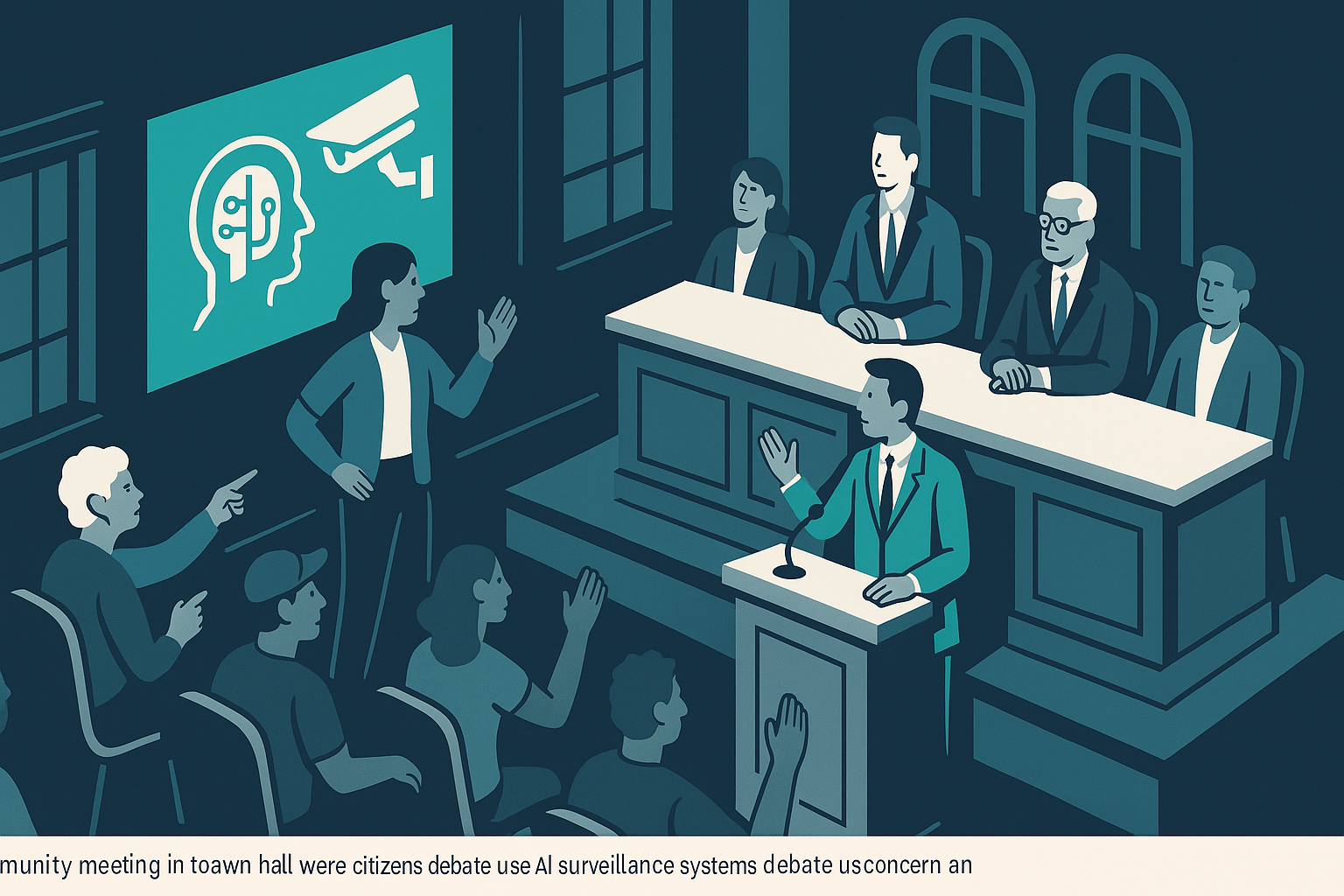
AI and the Erosion of Local Autonomy in Governance
AI technologies are reshaping governance, threatening local autonomy by centralizing decision-making power. To protect community agency, AI’s deployment must prioritize transparency and local engagement. Read more
-
AI Agents and the New Contours of Consumer Autonomy
The recent court ruling in favor of Perplexity’s Comet browser marks a significant shift in how AI agents are reshaping consumer autonomy and challenging entrenched corporate power. This legal precedent reflects a deeper societal shift in how individuals engage with technology, potentially redefining the landscape of online consumer interactions. Read more