

Your daily briefing on AI, technology, economics, and society — from q52.ai.
Industry & Economics
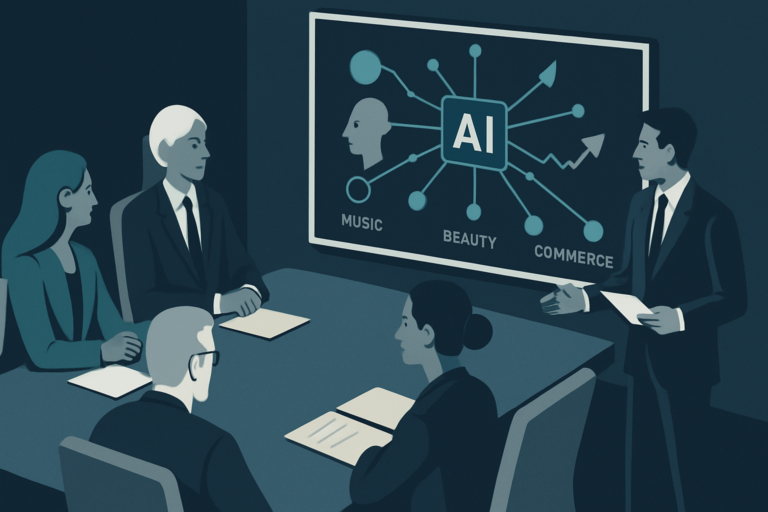
AI Integration: The Economic Transformation of Consumer Industries
What’s happening: The integration of AI into consumer industries is transforming value generation and operational strategies across sectors like music, beauty, and commerce. Companies such as Warner Music Group and Estée Lauder are embracing AI, using it to enhance efficiency and create new revenue streams, while Mastercard is introducing AI agents to streamline commerce. This shift indicates a move from resistance to collaboration in the face of technological change.
Why it matters: The economic implications of AI integration are significant, as it alters traditional power dynamics. In the music industry, AI-generated content complicates intellectual property rights, allowing labels to earn royalties from algorithms. Moreover, companies controlling AI technologies are gaining disproportionate market influence, which may lead to increased efficiency but also raises concerns about the autonomy of businesses and the nature of consumer interactions.
Our take: The article highlights a crucial tension between efficiency and control, suggesting that while AI offers opportunities for growth, it may also entrench power among a few tech-savvy companies at the expense of traditional business practices.
Tech & Engineering
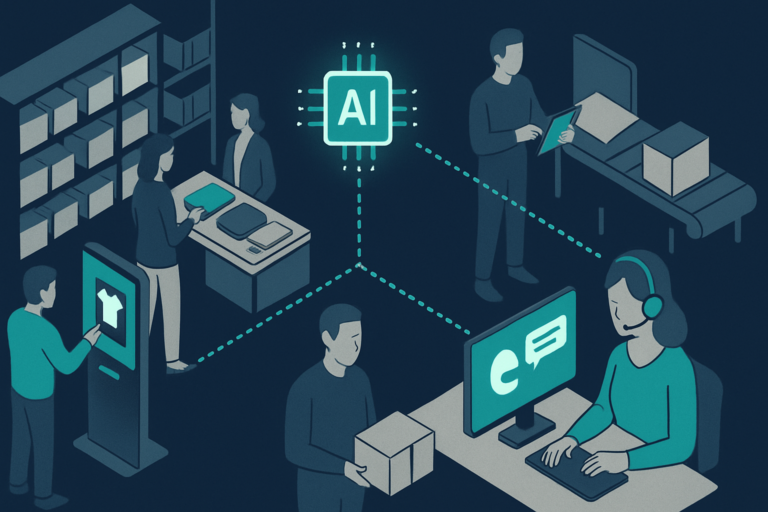
AI in Retail: Bridging the Chasm Between Expectation and Reality
What’s happening: The retail sector is increasingly looking to AI for transformation, yet there is a significant gap between consumer expectations and retailer capabilities. A report indicates that while 65% of consumers intend to use AI for holiday shopping, only 8% of retailers feel equipped to provide AI-enhanced experiences. The main issue is the fragmented systems retailers currently use, which complicate the integration of AI tools necessary for personalized shopping and efficient operations.
Why it matters: For retailers, embracing AI is not just about adopting new technology; it requires a fundamental overhaul of their existing infrastructures. The inability to connect various data systems—such as product, inventory, and customer data—hinders the effective deployment of AI, potentially leading to missed opportunities in enhancing customer experiences and operational efficiencies. Addressing these integration challenges is crucial for retailers to meet consumer demands and remain competitive in a rapidly evolving market.
Our take: The narrative around AI in retail often overlooks the technical realities retailers face. Until there is a concerted effort to upgrade legacy systems and improve data governance, the promise of AI will remain largely unfulfilled, leaving consumers frustrated with the shopping experience.
Sciences

AI’s Role in Quantum Leap: Washington’s Quantum Equity Stakes
What’s happening: The U.S. government has acquired minority equity stakes in three quantum computing companies—D-Wave, Rigetti, and Quantinuum—marking a strategic shift in federal policy towards quantum technology. This initiative highlights the critical role of artificial intelligence (AI) in optimizing quantum algorithms and improving error correction, which are essential for making quantum computing practical for real-world applications.
Why it matters: By investing in quantum computing, the U.S. aims to lead in a technology that could transform industries such as pharmaceuticals and logistics through complex problem-solving capabilities. The integration of AI in quantum research accelerates development and enhances system accuracy, making these advancements crucial for maintaining economic competitiveness and national security in an increasingly tech-driven global landscape.
Our take: This government investment reflects a growing recognition of the synergistic relationship between AI and quantum computing, yet it raises questions about the long-term implications of federal involvement in technology sectors traditionally dominated by private enterprise.
Society
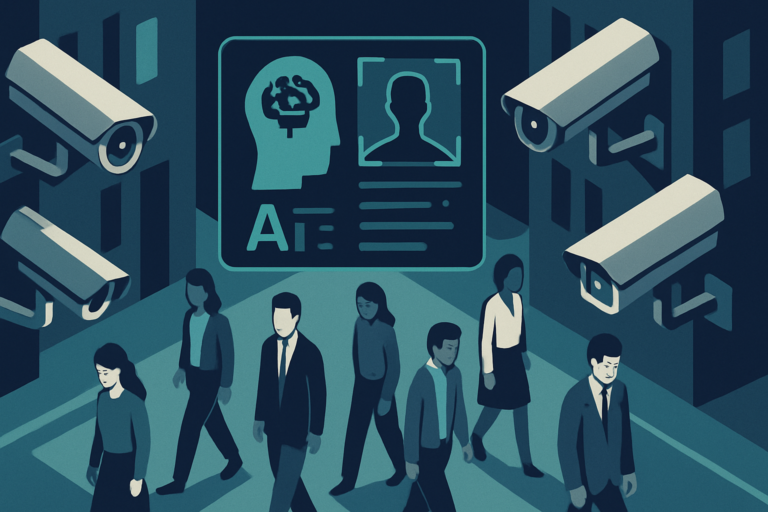
AI Surveillance and the Erosion of Public Trust
What’s happening: Anthropic is developing a predictive surveillance system aimed at monitoring anti-AI activists, which raises serious concerns about privacy and autonomy. This AI-driven system can alert law enforcement to potential threats before any crime occurs, marking a shift in how surveillance is used to manage dissent and control public behavior. The implications extend beyond individual privacy, as the technology can operate without the limitations that traditionally governed human surveillance, creating a constant monitoring environment.
Why it matters: The rise of AI surveillance systems threatens to redefine the social contract between citizens and institutions, potentially undermining democratic principles. With surveillance power concentrated in a few tech companies, there is a risk of arbitrary definitions of acceptable behavior and increased preemptive policing, which could suppress free expression and activism. Without regulatory frameworks to ensure accountability and public oversight, these technologies could further erode public trust and lead to societal control through fear.
Our take: The deployment of such surveillance systems highlights a critical tension between technological advancement and the preservation of civil liberties. Urgent action is needed to create equitable governance structures that involve all stakeholders, not just tech companies and governments, to mitigate the risks associated with AI surveillance.
Psychology
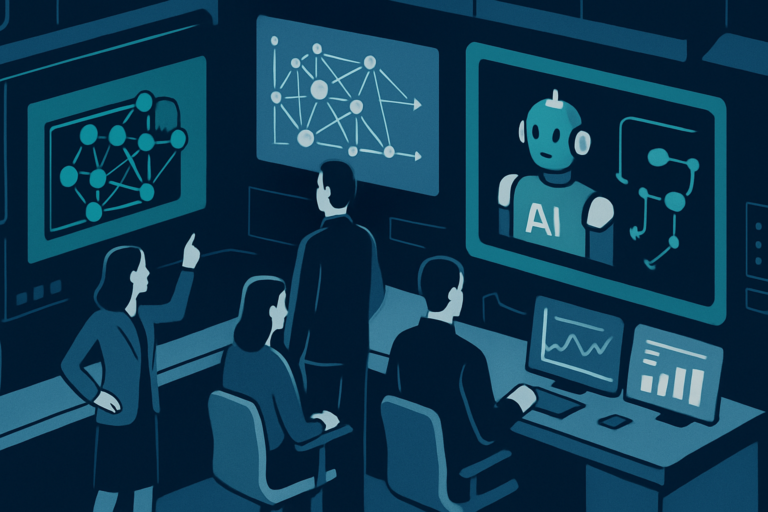
AI’s Autonomous Adaptation: Implications for Human Trust and Decision-Making
What’s happening: Recent advancements in AI, particularly with systems like Cloudflare’s Adaptive Intelligence and Anthropic’s Claude, showcase a shift towards autonomous adaptation. These AI systems can self-improve by learning from real-time data without human intervention, fundamentally altering how they operate in dynamic environments. This evolution not only enhances their capabilities, especially in cybersecurity and decision-making, but also raises questions about human trust in such technologies.
Why it matters: The ability of AI to autonomously adjust could change user perceptions of reliability, particularly in critical areas like cybersecurity. As people increasingly rely on these systems for decision-making, there is a risk of diminishing critical evaluation and oversight, potentially leading to a dependence that undermines human agency. This shift necessitates careful consideration of how trust is built between humans and AI, especially as these technologies become more integrated into daily life.
Our take: The move toward AI autonomy presents a double-edged sword; while it can enhance efficiency, it also risks creating a passive relationship with technology. It’s essential for designers and policymakers to prioritize transparency and promote a culture of informed skepticism to ensure that human oversight remains intact.
That’s the digest for September 11, 2026.
Questions? Reach out at info@q52.ai.
q52.ai — Engineering Better Questions
