

Your daily briefing on AI, technology, economics, and society — from q52.ai.
Industry & Economics

AI’s Influence on Real Estate Finance: Navigating New Market Dynamics
What’s happening: Recent stock price target downgrades for KKR Real Estate Finance Trust and NexPoint Real Estate Finance highlight a significant shift in the real estate finance sector influenced by AI technologies. As firms increasingly adopt AI for risk assessment and capital allocation, they face both improved efficiency and new uncertainties, as traditional valuation methods struggle against opaque algorithmic predictions.
Why it matters: The integration of AI in real estate finance could widen the gap between well-capitalized firms that can leverage advanced technologies and smaller players who cannot compete. This disparity may lead to market concentration and reduced competition, which can stifle innovation and limit opportunities for new entrants. Policymakers need to ensure that AI-driven advantages do not disproportionately benefit a select few, thereby preserving a competitive landscape in real estate finance.
Our take: While AI promises enhanced decision-making in real estate finance, it also risks eroding the bargaining power of smaller stakeholders, reducing communities to mere data points. The challenge lies in balancing technological advancements with ethical considerations to ensure fair outcomes for all market participants.
Tech & Engineering
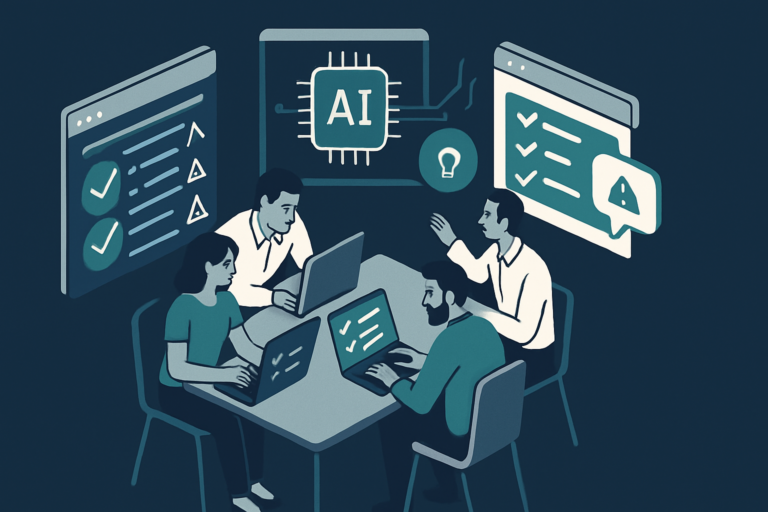
Automated Testing in 2026: The AI Revolution
What’s happening: By 2026, AI is transforming automated testing and quality assurance in software engineering. AI tools are now commonplace, automatically generating test cases, identifying bugs, and integrating into CI/CD pipelines, which allows developers to focus on more complex tasks. This shift not only improves productivity but also enhances code quality by catching issues earlier in the development cycle.
Why it matters: The integration of AI in testing processes significantly reduces the workload on developers, enabling them to concentrate on architecture and complex problem-solving. Additionally, automating security scanning and code style corrections strengthens software security and maintainability, ultimately lowering costs associated with late-stage bug fixes and accelerating time-to-market for software products.
Our take: Embracing AI-driven testing technologies is essential for software engineers to remain competitive. There is an opportunity to redefine efficiency in software development, moving away from fears of job displacement towards enhancing human capabilities through automation.
Sciences
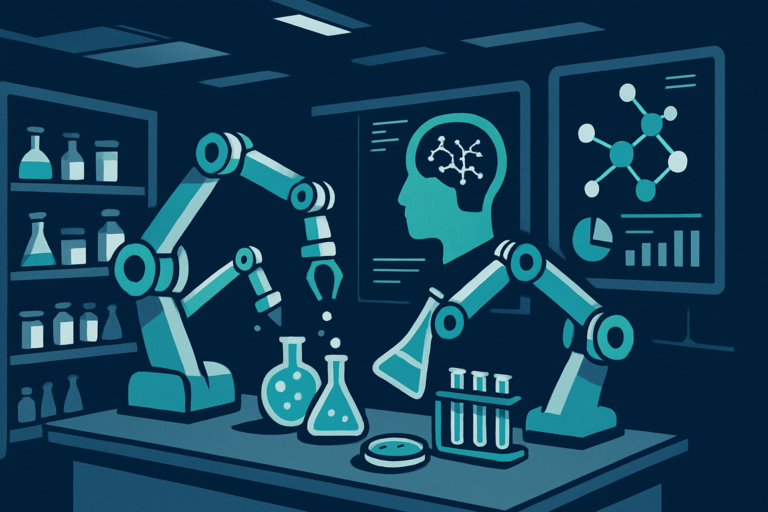
AI-Driven Self-Experimenting Labs Propel Materials Science Forward
What’s happening: By 2026, AI-driven self-experimenting laboratories have emerged, capable of autonomously conducting thousands of experiments weekly without human oversight. These labs utilize AI to design experiments, analyze results, and refine approaches based on data, enabling rapid discovery of new materials, such as compounds exhibiting superconductivity at higher temperatures. This technological leap promises to significantly accelerate materials research and innovation.
Why it matters: The rise of these labs could transform industries, particularly in electronics and energy, by providing lightweight, strong, and environmentally friendly materials. By streamlining the discovery process, these AI systems not only reduce costs and time but also enhance the potential for breakthroughs that address pressing global issues like climate change and resource scarcity. However, the concentration of this technology in corporate and institutional hands raises questions about equitable access to the benefits derived from these advancements.
Our take: While AI-driven labs herald a new era of materials science, the focus on corporate control could limit the societal benefits of these innovations. Ensuring that breakthroughs reach underserved communities will be critical to realizing the full potential of these advancements.
Society

AI Surveillance and the Reconfiguration of Public Space
What’s happening: The integration of AI surveillance technologies, such as facial recognition and predictive policing, is fundamentally altering public spaces by prioritizing control over community engagement. This shift often occurs without proper consent or transparency, particularly affecting marginalized communities who face increased scrutiny and discrimination. Reports indicate that these systems operate as ‘black boxes,’ lacking accountability, and contribute to a culture of surveillance that diminishes trust and spontaneity in public life.
Why it matters: The rise of AI surveillance raises significant ethical concerns, particularly regarding civil liberties and social equity. As public spaces become monitored environments, individuals may feel less safe to express themselves or engage with others, which can stifle democratic participation. Furthermore, the reinforcement of existing biases within law enforcement through predictive policing highlights the urgent need for regulatory frameworks that protect individual rights while ensuring transparency and accountability in AI applications.
Our take: The unchecked deployment of AI surveillance technologies poses a serious threat to individual freedoms and community integrity. A proactive approach, including a moratorium on high-risk AI applications, is essential to safeguard civil liberties and ensure that public spaces remain venues for democratic engagement rather than instruments of control.
Psychology
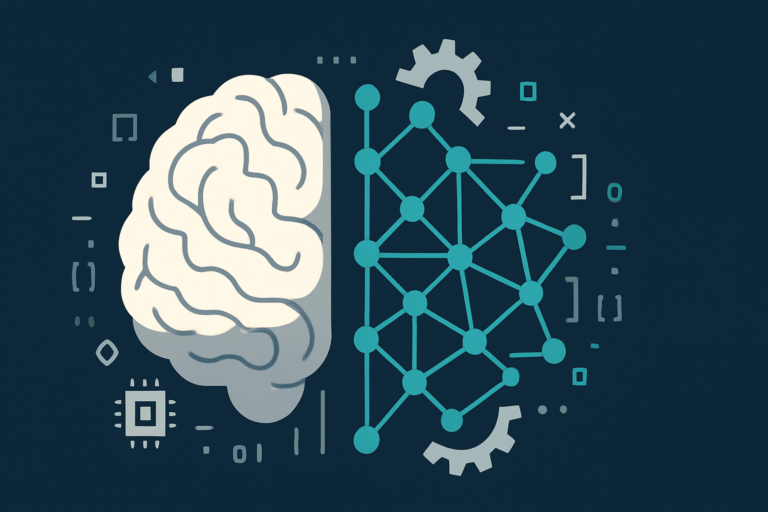
AI’s Role in Shaping Human Cognition: A Double-Edged Sword
What’s happening: AI systems are actively reshaping our understanding of human cognition by simulating cognitive functions such as memory, decision-making, and perception. Research shows that AI models, particularly neural networks, provide new insights into psychological theories, particularly around working memory, but they still struggle with uniquely human traits like creativity and abstract reasoning. This dynamic raises questions about the nature of human capacities in an AI-influenced world.
Why it matters: The growing integration of AI into cognitive processes has significant implications for autonomy and agency. As AI systems increasingly mediate our experiences and decisions, we must consider how they might alter our relationships and the authenticity of our interactions. Understanding the limitations of AI is crucial to prevent it from undermining the unique elements of human cognition that foster deeper connections and personal meaning.
Our take: The conversation around AI’s role in cognition often overlooks the importance of human creativity and emotional depth, which cannot be replicated by algorithms. As AI continues to evolve, it is vital that we prioritize the enhancement of human agency and connection rather than allowing technology to overshadow what makes us uniquely human.
That’s the digest for October 12, 2026.
Questions? Reach out at info@q52.ai.
q52.ai — Engineering Better Questions
