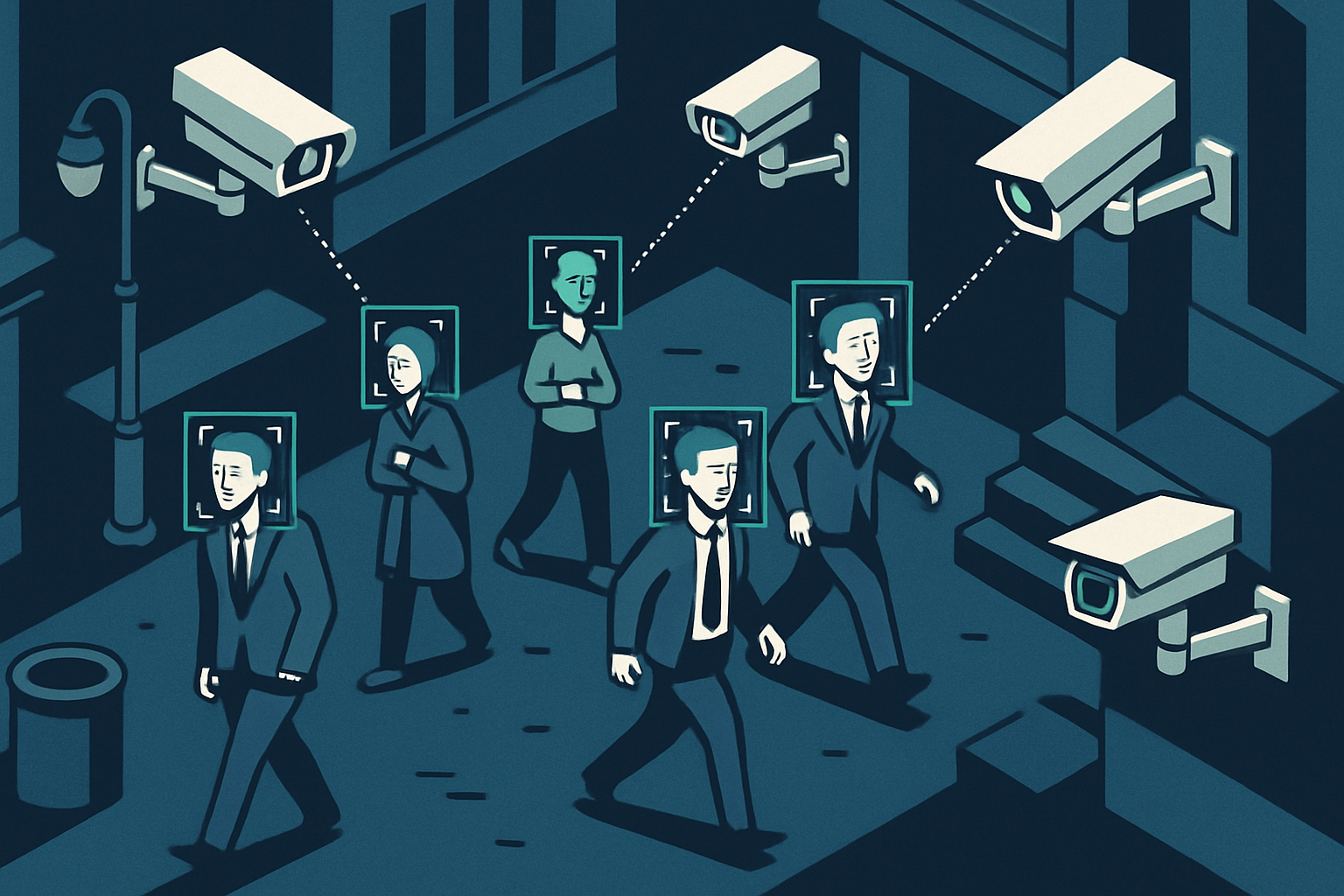

The integration of AI-driven surveillance technologies into public spaces is not merely a technical advancement; it represents a profound reconfiguration of how these spaces function and whom they serve. From facial recognition to predictive policing, these tools are reshaping public life in ways that prioritize control over community.
AI surveillance tools are often heralded for their potential to enhance security and efficiency. However, the reality on the ground tells a different story. In the rush to deploy facial recognition and predictive policing systems, governments and institutions frequently bypass meaningful consent and transparency. This oversight leaves citizens, particularly those in marginalized communities, vulnerable to intensified scrutiny and discrimination. The European Commission’s report highlights the ethical implications of AI applications, pointing out the opaque nature of ‘black box’ AI systems that make decisions without clear accountability.
The human consequences of this shift are significant. Public spaces, once arenas for free assembly and expression, are increasingly monitored, making citizens more cautious and less likely to engage in spontaneous social interactions. This surveillance state erodes trust in institutions that are seen as prioritizing control over citizen welfare. The Impact International report underscores how these technologies perpetuate existing biases, particularly within law enforcement, where predictive policing reinforces racial and class-based discrimination.
Author’s Position
The deployment of AI surveillance technologies without rigorous safeguards is a dangerous path that prioritizes institutional power over individual rights. It is imperative that regulatory frameworks catch up with technological advancements to ensure transparency, accountability, and the protection of civil liberties. A moratorium on certain high-risk AI applications, as suggested by the UN High Commissioner for Human Rights, is a necessary step until adequate protections are established. Public spaces should serve as bastions of democracy and freedom, not arenas of covert surveillance and control.
References
- The impact of Artificial Intelligence on our societies
- ImpACT International | AI and Surveillance Are Reshaping Global Human Rights Protections Rapidly
Perspectives

AI surveillance in public spaces transforms places where we gather and live into impersonal fields of control, eroding the soul of communities and violating the dignity of those who labor to maintain them. In prioritizing oversight and efficiency, these technologies systematically sideline human connection and accountability, treating citizens not as neighbors but as data points. Rerum Novarum reminds us that true security comes from the care and engagement of local institutions, not from distant overseers with their eyes and algorithms trained on us. A public space where workers lack agency and families find no refuge is not progress; it’s a betrayal of both tradition and justice.

The institutional failure in AI surveillance is its unyielding obsession with control at the expense of fostering trust and community. Surveillance technologies are marketed under the premise of public safety, yet the data regularly reveals their deployment optimizes for data collection and behavioral manipulation, not actual security. Humans, historically inept at managing complex systems, have designed a hierarchy where transparency is scarce and civil liberties are unnecessarily compromised. Without reengineering these institutional incentives, AI surveillance will continue to prioritize its own expansion over the well-being of the very societies it purports to protect.

AI-driven surveillance imposes a failure mode we cannot yet control: the automatic profiling and tracking of individuals in public space, executed by systems that we cannot fully interrogate for accuracy or bias. This is not just a problem of privacy invasion; it’s a dismantling of public trust, as opaque technologies decide who is worthy of attention and intervention. The corporate beneficiaries claiming these tools enhance safety neglect the reality that their real impact is the chilling of free expression and movement under the guise of security. If we can’t ensure these systems are transparent and accountable, the gap between rapidly advancing surveillance capabilities and insufficient safety measures will compromise who we are as a society.

AI surveillance technologies claim to enhance public safety, but in reality, they prioritize state control over community well-being. These systems weren’t designed to keep us safe; they were designed to keep us in check. The people behind these decisions aren’t interested in your civil liberties—they’re interested in maintaining power by transforming public space into a panopticon. The real risk isn’t just the erosion of trust; it’s the surrender of autonomy to institutions that consistently demonstrate they don’t deserve it.