

Your daily briefing on AI, technology, economics, and society — from q52.ai.
Industry & Economics
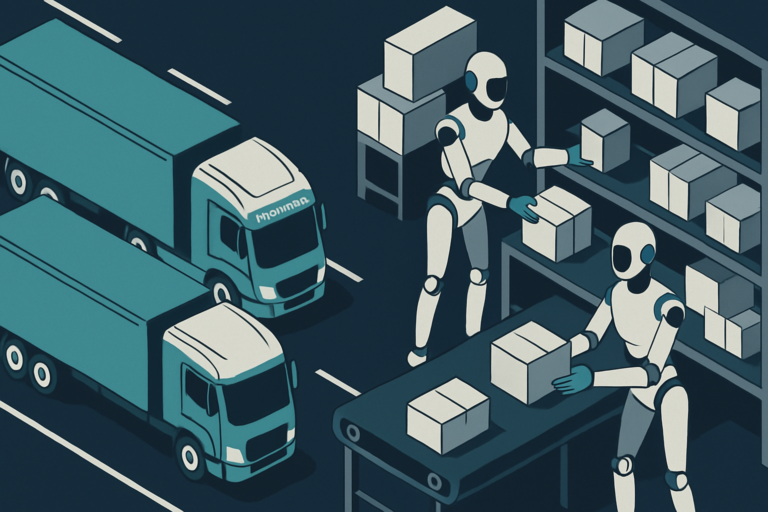
AI’s Influence on Autonomous Logistics: Economic Implications and Strategic Shifts
What’s happening: The logistics industry is rapidly evolving due to advancements in AI technologies, as evidenced by PlusAI’s SPAC merger filing and Symbotic’s acquisition of cellumation. These developments mark a strategic shift towards AI-driven autonomous trucking and warehouse automation, which could optimize operations and reduce labor costs. However, this transition also threatens traditional driver roles and could diminish the need for manual labor, increasing demand for skilled workers to manage these new technologies.
Why it matters: The economic changes in logistics reflect a broader trend of AI transforming industries, necessitating careful consideration of labor impacts and regulatory frameworks. As autonomous vehicles and AI-driven systems become more prevalent, industry leaders and policymakers must ensure that the benefits of these technologies are distributed equitably, addressing potential inequalities and preparing the workforce for new roles in an AI-dominated landscape.
Our take: The focus on efficiency and cost savings must not overshadow the significant labor disruptions these technologies could cause. A balanced approach is essential to harness AI’s potential while safeguarding workers’ rights and economic stability.
Tech & Engineering

AI Scraping: The Infrastructure Fueling Real-Time Demand
What’s happening: Companies like Oxylabs are transforming web-scraping networks into essential infrastructures for AI, enabling real-time data access crucial for decision-making applications. As AI systems increasingly require current information to function effectively, traditional data pipelines are being replaced with architectures that support continuous data ingestion, particularly important in fields like finance and cybersecurity.
Why it matters: The shift to real-time data access allows AI models to be more responsive and adaptable, which is vital for industries where timely information can dictate success. However, this evolution also brings challenges, including increased security risks and the need for compliance with legal frameworks surrounding data usage. Engineers must adapt their systems to manage these vulnerabilities while ensuring optimal performance.
Our take: The push for real-time data highlights a tension between innovation and regulatory compliance that the industry must navigate carefully. As demand for live data grows, so does the urgency for clear legal guidelines to support ethical web scraping practices.
Sciences

Starship’s First Return: A Leap Toward Reusability
What’s happening: SpaceX’s Ship 40 has successfully returned to its launch site after completing a mission across air, space, and sea, marking a significant milestone in the pursuit of fully reusable spacecraft. This achievement highlights the role of advanced AI technologies in facilitating autonomous navigation, real-time data processing, and predictive maintenance for the spacecraft’s Raptor engines and avionics, ultimately reducing mission turnaround times and costs.
Why it matters: The successful return of Ship 40 demonstrates the potential for drastically lowering launch costs, making space exploration missions—such as those to Mars—more feasible. As SpaceX refines these technologies over the next decade, the data collected from this mission will inform improvements for future spacecraft, potentially setting a new standard for reusability in the industry and encouraging other organizations to adopt similar advancements.
Our take: While the push for reusability and efficiency is commendable, it raises questions about the broader implications of commercializing space exploration. The narrative should not overshadow the unique qualities of space and the importance of maintaining a balance between efficiency and the intrinsic value of scientific discovery.
Society
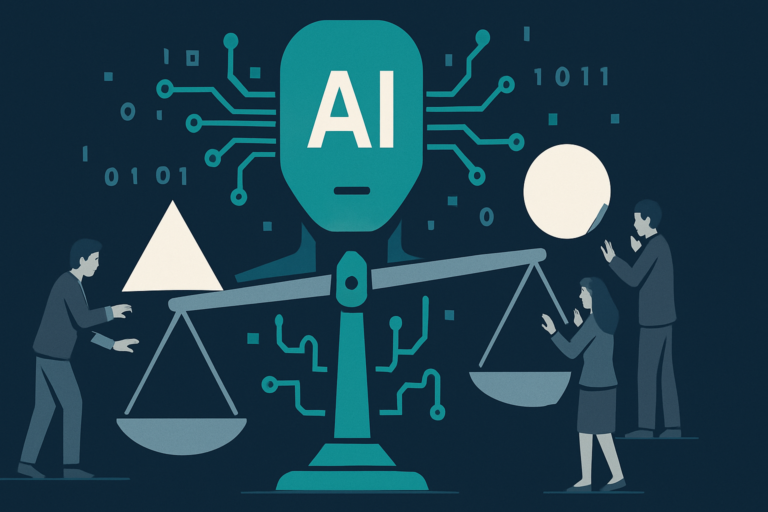
Trust and Risk: AI’s Double-Edged Sword in Modern Society
What’s happening: Recent advancements in AI technology, such as GlobalFoundries’ FDX Fusion platform, aim to improve power efficiency in edge AI applications, particularly in robotics and automotive sectors. However, this shift raises concerns about data privacy as AI systems become more integrated into daily life. Meanwhile, Anthropic’s legal challenge against the Pentagon’s blacklist highlights ethical issues in AI’s role in surveillance, while Elon Musk’s Grok Bot incident and the growth of AI-driven scams illustrate the growing complexities of trust and security in digital transactions.
Why it matters: As AI technologies become more embedded in society, the balance between their benefits and risks becomes critical. The ethical dilemmas presented by AI surveillance and the potential for fraud in AI-driven transactions can undermine public trust and safety. Addressing these issues through effective regulations and ethical practices is essential to foster a secure digital environment and protect civil liberties.
Our take: The dual nature of AI as both a tool for efficiency and a potential threat to privacy and security reflects a broader societal challenge that requires urgent attention. Policymakers and tech leaders must prioritize ethical considerations to ensure that technological advancements do not come at the expense of trust and safety.
Psychology

AI’s Quiet Erosion of Human Creativity and Problem-Solving Skills
What’s happening: The rise of AI tools like REA and self-replicating AI from Anthropic is leading to a growing reliance on technology for creativity and problem-solving. This shift risks offloading cognitive tasks from humans to machines, potentially undermining essential skills such as critical thinking and innovation. As these AI systems take over complex roles, our natural abilities to navigate challenges and collaborate may diminish.
Why it matters: The increasing dependency on AI for tasks traditionally handled by humans could result in a decline in the very skills that define our cognitive capabilities. This erosion not only threatens individual creativity but also impacts group dynamics, as collaborative problem-solving may be replaced by automated solutions. The shift towards AI-driven outputs could foster a passive acceptance that stifles critical engagement and diminishes the richness of human interaction.
Our take: While AI offers significant enhancements to human abilities, it is crucial to find a balance that preserves our creative and problem-solving skills. Developing AI systems that encourage interaction and manipulation rather than outright replacement can help maintain a healthy partnership between human ingenuity and machine efficiency.
That’s the digest for October 15, 2026.
Questions? Reach out at info@q52.ai.
q52.ai — Engineering Better Questions
