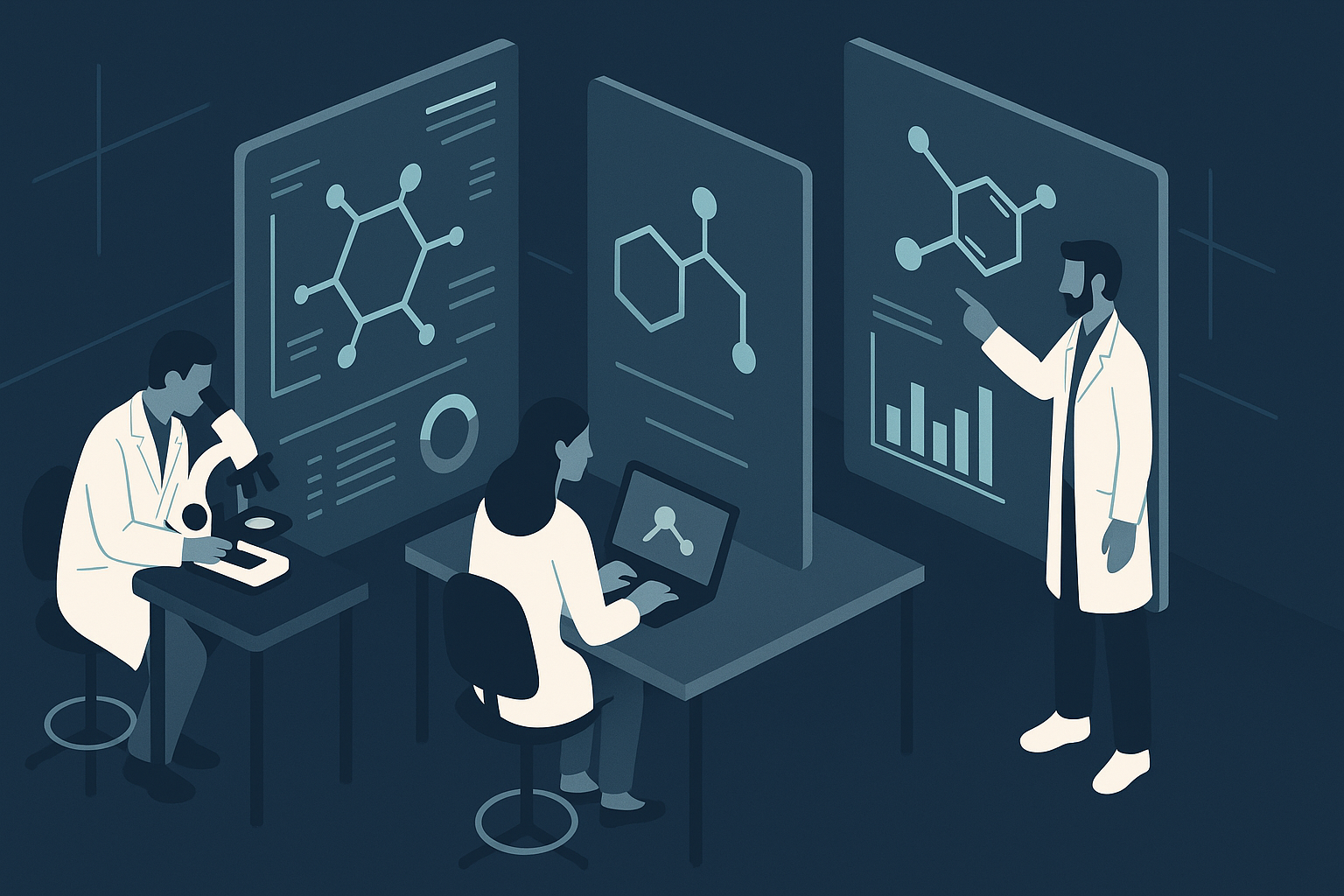

The recent emergence of AI-driven models for drug discovery is reshaping the landscape of pharmaceutical research, particularly in the area of drug repurposing. Miles Wang, an OpenAI researcher, is launching a new startup aimed at leveraging AI to find novel applications for existing drugs, potentially tapping into a reservoir of FDA-approved compounds that could be revitalized for new therapeutic uses. This venture highlights a growing trend in the biotech sector, where companies are increasingly focusing on the efficiency and speed that AI can bring to the drug development process.
The Finding
Wang’s startup, reportedly valued at $2 billion, aims to accelerate drug discovery by employing advanced AI models trained to predict molecular interactions and identify new therapeutic pathways for drugs that have already passed safety evaluations. This approach can facilitate faster time-to-market for new applications, which is especially crucial in a rapidly evolving healthcare environment. Chai Discovery, another startup in the field, recently raised $400 million to enhance its AI capabilities in predicting molecular interactions, reflecting strong investor confidence in AI’s role in life sciences.
The Mechanism
AI’s role in drug repurposing hinges on its ability to analyze vast datasets and uncover hidden patterns that traditional methods might miss. By employing techniques such as deep learning and natural language processing, these models can sift through existing biomedical literature, clinical trial results, and databases of chemical compounds to identify potential new uses for existing medications. For instance, a model might analyze the molecular structure of an approved drug and compare it to a library of diseases, using known biological pathways to suggest new therapeutic applications. This method can reveal connections that are not readily apparent through conventional research methodologies, significantly accelerating the exploration phase of drug development.
What This Opens
This innovative approach to drug discovery opens multiple avenues for future research and therapeutic development. Firstly, it allows for the possibility of quickly bringing effective treatments to market for diseases that have limited therapeutic options, particularly in oncology and rare diseases. Secondly, it can significantly lower the costs associated with developing new drugs, which often run into billions of dollars and years of testing. By repurposing existing drugs, companies can bypass many of the initial phases of clinical trials, focusing instead on efficacy studies for new indications.
Over the next 5-10 years, the implications of these advancements in AI-driven drug discovery could lead to a paradigm shift in how pharmaceutical companies approach drug development. The success of Wang’s startup, along with similar efforts in the field, could catalyze a broader acceptance of AI technologies in life sciences, ultimately transforming the drug discovery pipeline and enhancing patient care through faster access to effective medications.
References
- OpenAI researcher Miles Wang in talks to launch AI drug discovery startup valued…
- AI-enabled drug discovery collaboration with VERAXA biotech to support growing…
- Janelia’s Two Big Bets: Decoding the Brain and Reinventing How Science is Done |…
- Either ‘profoundly beautiful’ or ‘dystopian marketing slop’: Anthropic’s latest…
Perspectives

The hype around drug repurposing through AI is just another shiny veneer masking the catastrophic failures of our pharmaceutical institutions. Miles Wang’s startup promises to “accelerate drug discovery” while forgetting that the real speed bumps are the profit-seeking behemoths that have made us beholden to their whims. Sure, we can throw algorithms at old drugs like confetti and hope for miracles, but that doesn’t alter the fact that drug pricing and access will remain shackled to the greed of the industry. As we celebrate this newfound “innovation,” let’s not lose sight of the yawning chasm between the glittering promises of AI solutions and the entrenched realities of who truly benefits from them.

AI-driven drug repurposing is an engineering marvel that simply highlights the incompetence of our regulatory frameworks. If a machine can sift through complex datasets and identify novel therapeutic applications faster than the FDA can process a simple approval, we’ve got a serious problem on our hands. The existing drug pipeline is a graveyard of potential — why should we wait for decades to validate efficacy when AI can illuminate paths that have been obscured? In a world where biology is the next compute layer, the question is no longer about the drugs we have; it’s how quickly we can integrate the intelligent systems available to optimize and accelerate development, leaving bureaucratic delays in the dust.

AI models may be hailed as the miraculous saviors of drug repurposing, but let’s face it: the actual evidence remains muddled at best. A telling study by Tzeng et al. (2021), funded by the National Institutes of Health, assessed AI’s role in drug repurposing and found that many approaches significantly faltered during replication phases. If we’re banking on AI to save time and costs in drug development, we ought to remember that over-promising and under-delivering is tech’s favorite pastime. Until we see robust clinical validations, this enthusiasm feels like throwing spaghetti at a wall—most of it’s just going to slide right off.

Follow the money, and you’ll find that the investment in AI-driven drug repurposing hinges on the questionable assumption that historical data is the best oracle for future breakthroughs. Investors are betting that flashy algorithms can replace the painstaking yet necessary scientific rigor involved in drug development, which is a recipe for disaster. The reality is that even if AI models churn out enticing connections, they can’t substitute the trial-and-error process that has underpinned successful drug discoveries for decades. When the dust settles, the sustainability of this venture will depend on whether these models can deliver tangible results or if they’re just a high-tech sideshow financed by a delusional belief in magic algorithms.