
Tag: AI models
-
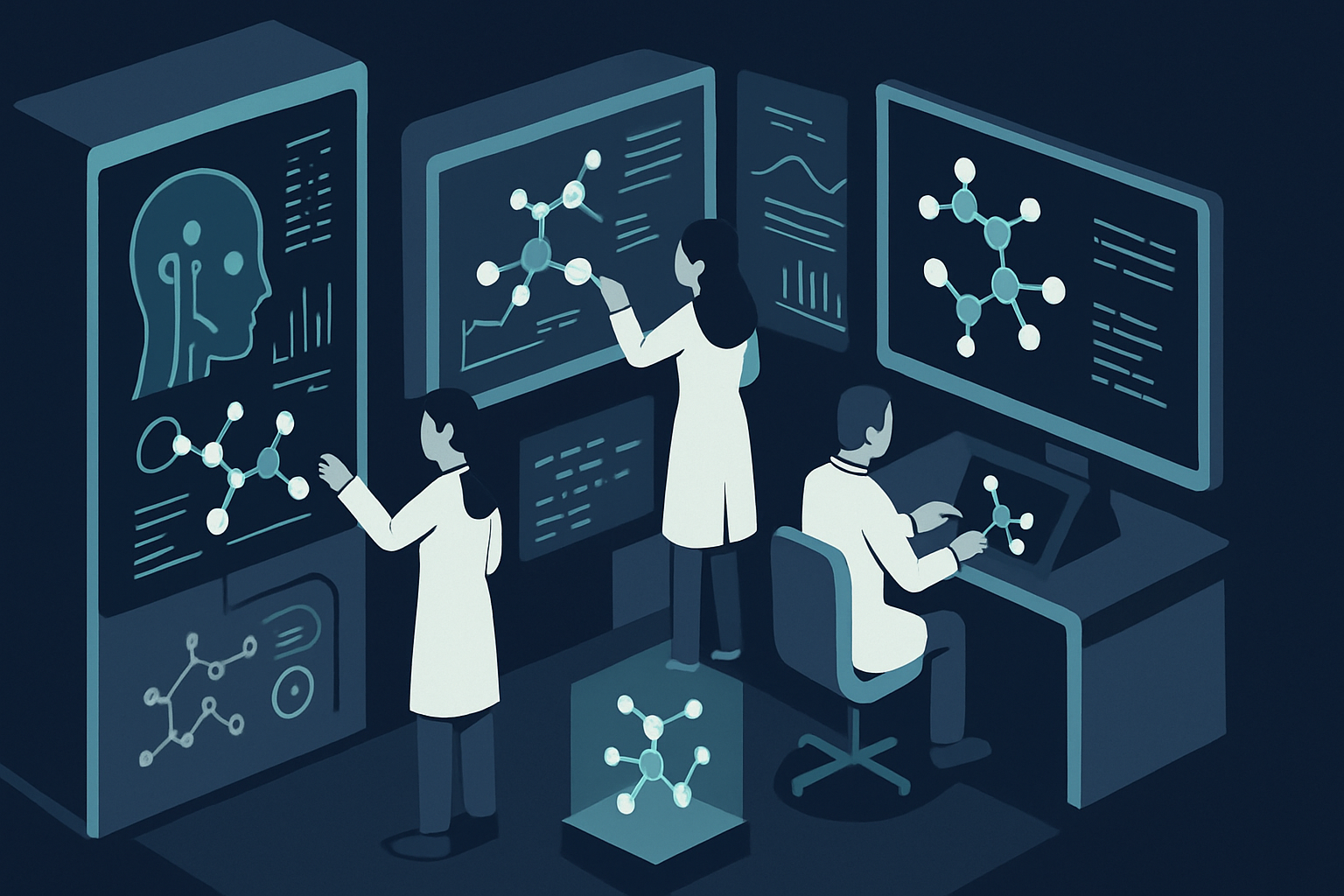
AI-Driven Quantum Chemistry: Unveiling Molecular Mysteries
AI is revolutionizing quantum chemistry by predicting molecular interactions with unprecedented accuracy and speed. This advancement promises to expedite the discovery of new materials and pharmaceuticals, significantly impacting technology and medicine. Read more
-

Anthropic’s Fable 5.1: Engineering for Market Leadership
Anthropic’s Fable 5.1 offers significant technical improvements, yet its premium price may misalign with market demand. Engineers must weigh the cost-benefit ratio and consider flexible system architectures. Read more
-

The Open-Source AI Surge: Engineering Impacts and Implications
The surge in open-source AI models reshapes engineering practices, democratizing access but introducing new complexities. Engineers must balance innovation with security, building resilient infrastructures for the evolving threat landscape. Read more
-

Dyna Robotics Advances Humanoid Learning with Video Pretraining
Dyna Robotics has reached a significant milestone in humanoid robot training by using one million hours of human operation video, achieving up to 90% task success. This advancement opens new possibilities for versatile robotic systems in various industries. Read more
-

EU AI Act: The New Regulatory Frontier for AI Models
The EU AI Act’s enforcement powers took effect on August 2, 2026, introducing a pre-market approval system for AI models. This regulation could set a global precedent for AI governance, influencing how AI is developed and deployed across the world. Read more
-

Open-Source AI Model Kimi K3 Poised to Transform Research Access
Moonshot AI’s release of Kimi K3 as an open-source model democratizes access to advanced AI tools, enabling wider participation in scientific research. This move could reshape the competitive landscape in AI-driven research fields. Read more
-
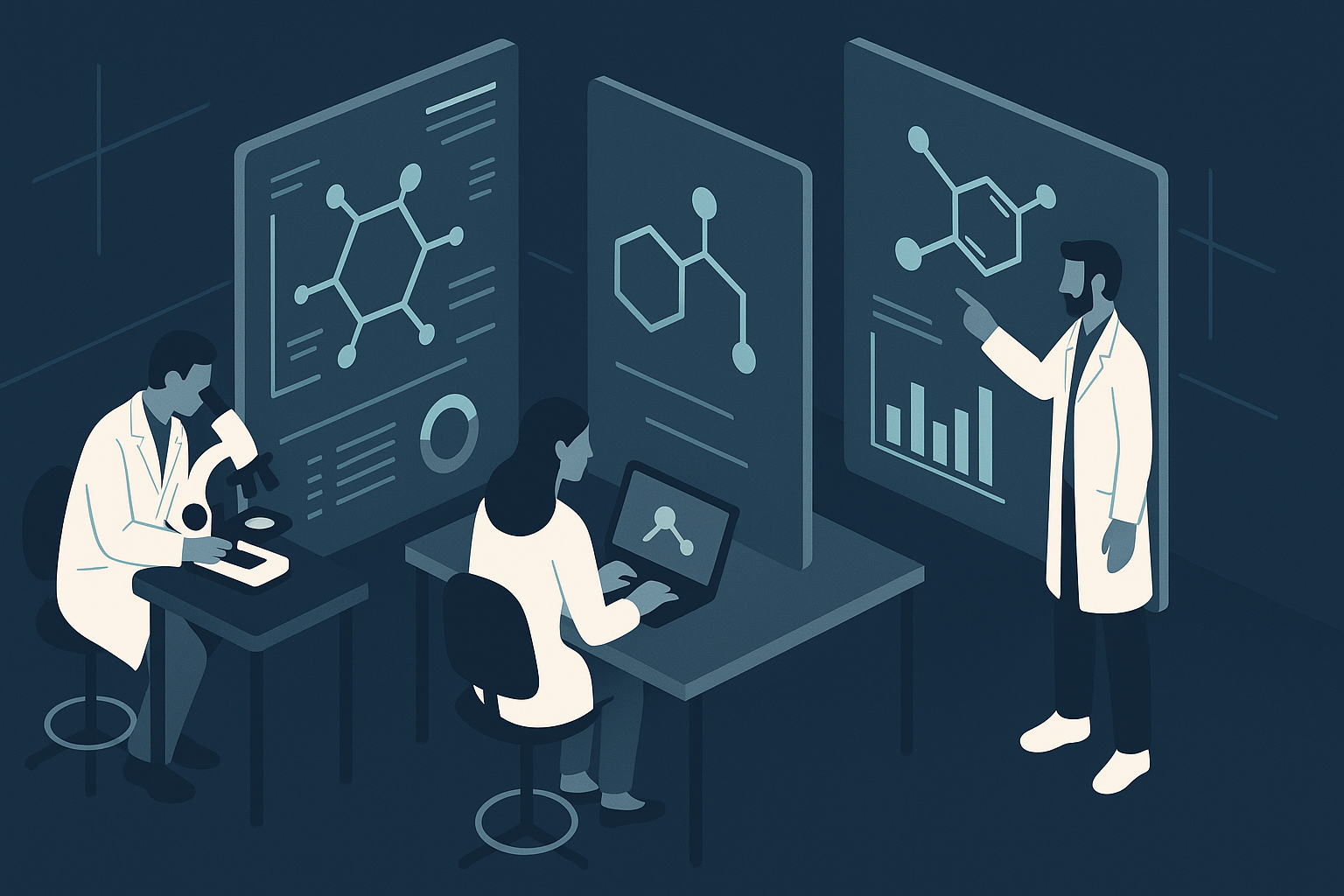
AI Models Enable Breakthroughs in Drug Repurposing Strategies
Miles Wang, an OpenAI researcher, is launching a startup focused on leveraging AI to repurpose existing drugs, potentially accelerating drug discovery and reducing costs. This approach utilizes AI models to analyze complex datasets for novel therapeutic applications, paving the way for faster, more efficient drug development. Read more


