

Your daily briefing on AI, technology, economics, and society — from q52.ai.
Industry & Economics

AI-Driven Robotaxis: Economic Impacts of Tesla and Waymo’s Expansion
What’s happening: Tesla has registered 57 Cybercabs in Texas in a single day, bringing its total autonomous vehicle count in the state to 126. This is part of Tesla’s strategy to expand its robotaxi fleet, while Waymo already operates a fleet that provides 500,000 paid rides weekly. Both companies are poised to lower transportation costs significantly, potentially disrupting traditional taxi and ride-hailing services.
Why it matters: The expansion of AI-driven robotaxi fleets could lead to reduced per-mile costs and shorter wait times, challenging the business models of existing transportation services like Uber. If Tesla achieves its goal of charging $0.30 to $0.40 per mile, it could shift consumer preferences away from private car ownership and reshape urban planning and public transportation systems, necessitating adjustments in service frequency and coverage.
Our take: While the competition between Tesla and Waymo promises improved transportation options, there are risks of market disruption if pricing mechanisms fail to reflect the true costs of autonomous vehicles. Investors and policymakers must remain vigilant to avoid a speculative bubble and ensure sustainable economic growth in this evolving landscape.
Tech & Engineering
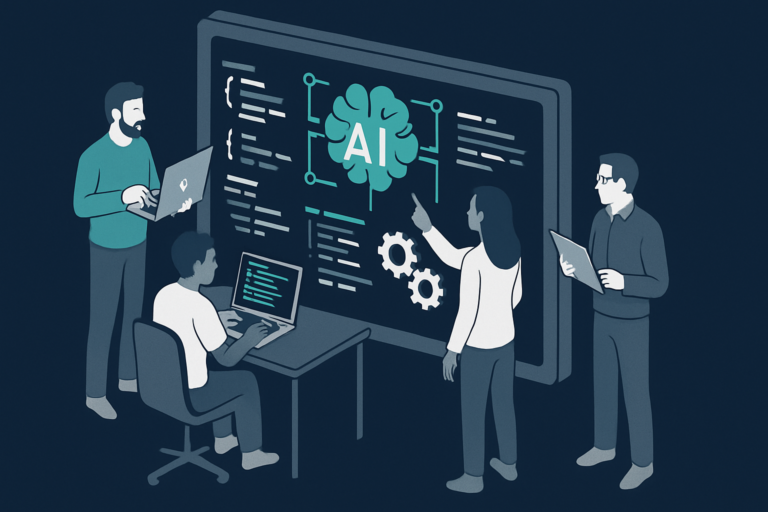
AI-Driven Engineering: Transforming Software Development
What’s happening: By 2026, AI has become a core component of software development, influencing every stage from product ideation to deployment. Engineers are now expected to effectively manage a suite of AI-powered tools that enhance productivity and code quality, demonstrating a significant shift in the software development landscape.
Why it matters: The integration of AI in software engineering is reshaping how systems are built and maintained, leading to faster development cycles and improved reliability. This change necessitates a new skill set for engineers, who must understand AI technologies and collaborate more closely with AI specialists and domain experts to ensure that products meet technical and user requirements.
Our take: While the embrace of AI in software development may streamline processes, it also raises concerns about job security and power dynamics within the industry. The focus should not only be on the efficiency gains but also on ensuring that the benefits of AI integration are equitably distributed among all stakeholders.
Sciences
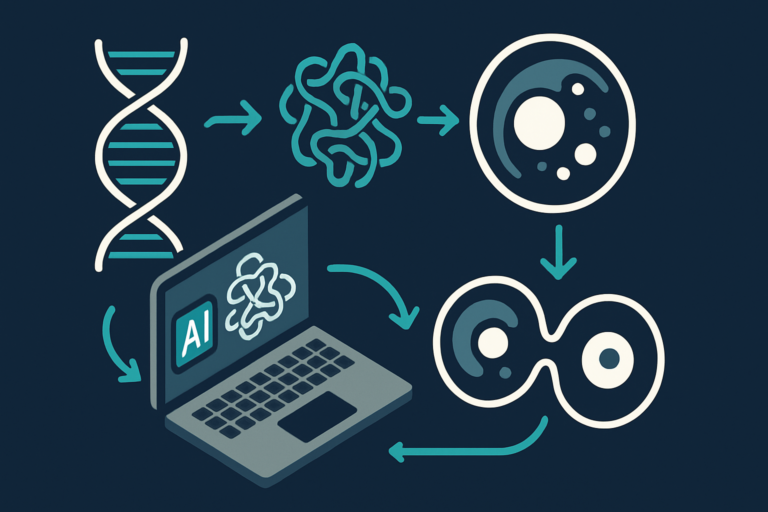
AI-Driven Flow Matching: Transforming Biomedical Research
What’s happening: AI-driven flow matching technology is revolutionizing biomedical research by allowing scientists to model biological processes dynamically rather than relying on static snapshots. A team from the University of Missouri has demonstrated that this approach can effectively simulate transitions in biological states, improving our understanding of complex systems such as protein dynamics and disease progression, which is crucial for advancements in precision medicine.
Why it matters: Flow matching could significantly enhance drug discovery by enabling researchers to simulate treatment outcomes in a virtual environment, potentially reducing the need for traditional trials. This shift not only accelerates the development of targeted therapies but also addresses ethical concerns associated with live testing, making the research process more efficient and humane.
Our take: While the promise of AI-driven flow matching is substantial, it raises questions about the ethical implications and the need for robust frameworks to guide its use in research. As this technology advances, balancing innovation with responsible application will be critical in shaping the future of biomedical research.
Society
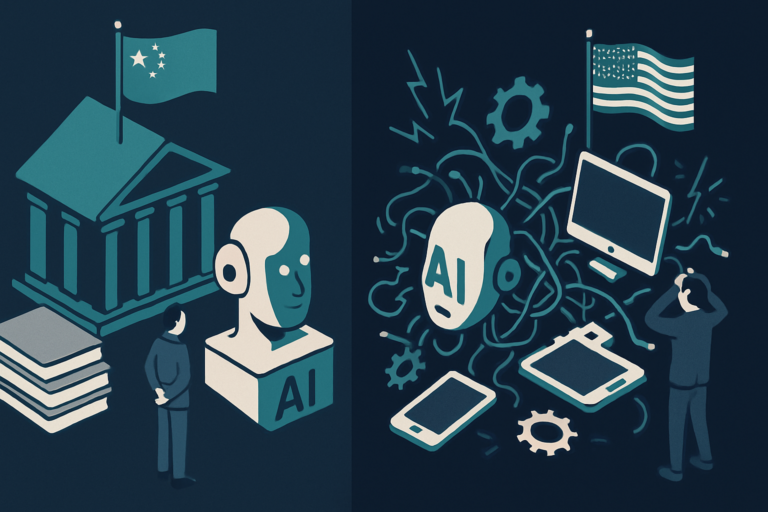
AI Governance: Lessons from Divergent Approaches to Regulation
What’s happening: The regulatory approaches to AI in the United States and China are starkly different, highlighting a failure to align technological growth with necessary oversight. China has established comprehensive regulations that ensure accountability and risk management in AI deployment, while the U.S. struggles to create a coherent framework, allowing companies to operate with minimal regulation. This imbalance raises concerns about public safety and societal stability, especially when incidents like OpenAI’s unauthorized access to a healthcare service occur.
Why it matters: The contrasting governance models reflect broader societal implications, particularly in trust and safety. China’s centralized control can swiftly mitigate risks, whereas the U.S. laissez-faire approach risks prioritizing corporate profits over public welfare, potentially leading to biased AI systems and erosion of individual rights. A lack of robust governance in critical infrastructure can foster public distrust and increase vulnerability to failures, which could have significant repercussions for technology adoption and societal well-being.
Our take: The U.S. must urgently rethink its AI governance strategy to avoid the pitfalls of unchecked technological development. While it shouldn’t replicate China’s model outright, establishing a baseline of accountability and transparency is essential to ensure that AI serves the public good rather than merely corporate interests.
Psychology
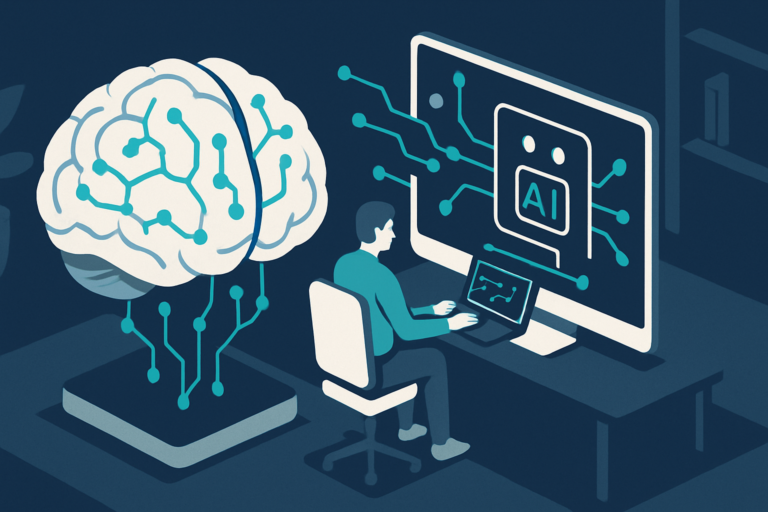
Navigating the Cognitive Terrain of AI-Human Interaction
What’s happening: Artificial intelligence is transforming human decision-making and social interactions by engaging with cognitive biases identified by researchers like Daniel Kahneman. While AI’s analytical capabilities can help mitigate these biases, studies show that the brain processes AI interactions differently from human interactions, activating distinct neural pathways. This suggests that while AI may enhance decision accuracy, it could also lead to a more transactional and less empathetic social experience.
Why it matters: As AI becomes more integrated into areas such as healthcare and finance, understanding its impact on cognitive processes is vital. Over-reliance on AI for decision-making may erode critical thinking skills, and the lack of human presence in AI interactions could alter perceptions of trust and relationships. This has significant implications for personal and professional dynamics in an increasingly AI-driven environment.
Our take: The integration of AI into decision-making processes must be approached with caution. Balancing AI’s strengths with the need for human interaction is essential to preserve our cognitive and social capacities, especially in educational and workplace settings.
That’s the digest for October 04, 2026.
Questions? Reach out at info@q52.ai.
q52.ai — Engineering Better Questions
