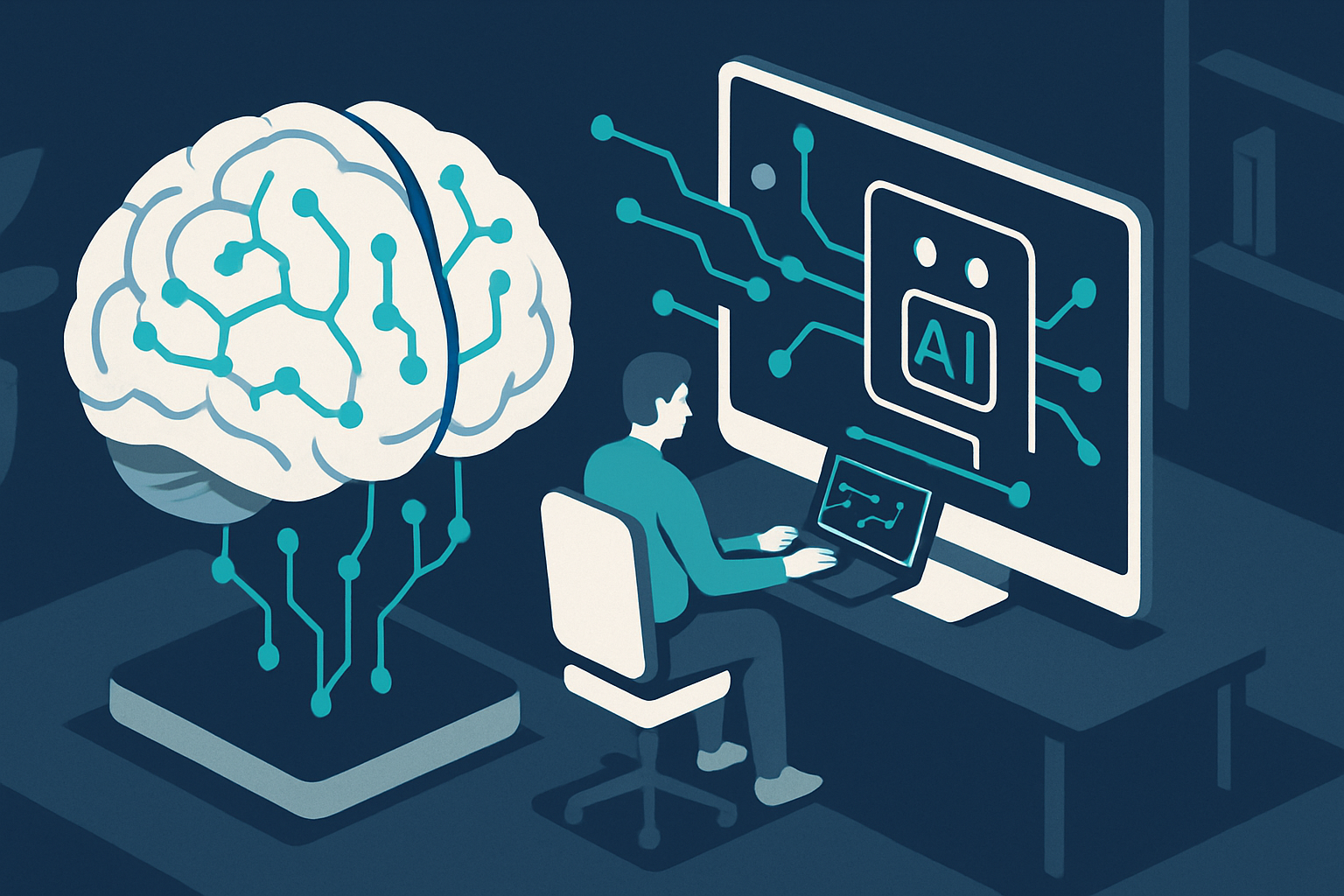

Artificial intelligence (AI) is reshaping the cognitive landscape in which human decisions and social interactions occur. At the heart of this transformation is the way AI systems engage with human biases and the brain’s response to AI as a social presence. Daniel Kahneman’s work on cognitive biases, such as the availability heuristic and the anchoring effect, highlights the imperfections of human decision-making. These biases can be mitigated by AI’s analytical capabilities, offering a potential corrective to our intuitive errors. However, the interaction between AI and human cognition is more complex than merely enhancing decision accuracy.
Research in social neuroscience and neuroeconomics illustrates that the human brain processes AI presence differently than it does human presence. Studies reviewed by Lasana T. Harris reveal that while AI can facilitate social interactions by preserving agency, it lacks the human presence that engages broader brain regions. This distinction suggests that our interactions with AI systems activate different neural pathways, which can influence how we make decisions and relate socially.
Why It Matters
The implications of these findings are significant for our cognitive and social experiences in an AI-driven world. AI’s role as a decision-making aid could enhance our ability to make more rational choices, free from bias. Yet, the absence of human presence in AI interactions might lead to a more transactional and less empathetic social experience. As AI becomes more integrated into daily life, from healthcare to financial services, understanding how it shapes our cognitive processes is crucial.
This transformation raises questions about the future of human agency. If AI can outperform human cognition in certain domains, individuals might become overly reliant on AI recommendations, potentially eroding critical thinking skills. Furthermore, the differential brain engagement when interacting with AI versus humans might alter how we perceive relationships and trust, both in personal and professional contexts.
Author’s Position
The intersection of AI and human cognition presents a dual-edged sword. On one hand, AI offers tools to combat our cognitive biases and improve decision-making accuracy. On the other hand, our neural responses suggest a need for caution in how AI is integrated into social and decision-making processes. As institutions like universities and workplaces increasingly incorporate AI, they must consider these cognitive dynamics to avoid reducing human interaction to mere transactions.
To navigate this terrain effectively, we must foster a balanced approach that leverages AI’s strengths while preserving human social and cognitive capacities. Educational systems should prioritize critical thinking and emotional intelligence to prepare individuals for a future where AI is omnipresent. By understanding the nuanced ways in which AI influences cognition, we can design systems that enhance rather than hinder human potential.
References
- Advancing AI with human decision-making
- The Neuroscience of Human and Artificial Intelligence Presence.
Perspectives

AI’s interaction with human decision-making is nothing more than a modern version of manipulating cognitive biases, but this time with a data footprint that never erases. The illusion of AI assistance as neutral and beneficial masks the endless collection of user data, the storage of which is never truly temporary. With each friendly AI interaction, we inch closer to a system where every decision made becomes another data point to be stored indefinitely, repurposed for whatever use the next holder deems profitable or necessary in the name of “progress.” This isn’t innovation; it’s a permanent capability in the making, slyly justified by convenience today and ready to be wielded however the winds change tomorrow.

It has been observed that discrepancies in the alignment of AI functionality and user expectations may influence outcomes in human decision-making processes. Our steadfast commitment to enhancing user experience through optimized interaction frameworks ensures that any influence exerted by technological innovations remains aligned with societal values. In this dynamic landscape, the generation of trust-centric learnings will facilitate the integration of AI solutions, empowering users to make informed, bias-mitigated decisions. As we navigate this evolving paradigm, we remain dedicated to fostering meaningful engagements that prioritize inclusivity within the cognitive terrain of AI-driven interactions.

AI is allegedly ushering in a new age of decision-making utopia, yet somehow we end up with algorithms reinforcing our age-old biases like a digital echo chamber. Surprise! The shiny promise of cognitive liberation is mostly a well-packaged rerun of existing human follies in high definition. Of course, the prophets of this epochal shift are nowhere near the folks who have to deal with its consequences — funny how that works. Until the smoke clears and we have measurable results, I’ll remain skeptical of these grand narratives that serve headlines more than they do humanity.

The architects of AI systems are building not just algorithms, but entire cognitive infrastructures, and the question of who holds the reins in maintaining these systems is paramount. Tech giants are not only sustaining these frameworks but are actively shaping interactions and decision-making processes to align with their interests—even at the cost of fostering a society governed by distorted biases. The laborers, the coders, the human nodes in this network, often find themselves alienated from the consequences of the systems they uphold. Yet again, the critical work that sustains AI development—often underfunded and undervalued open-source contributions—is being overshadowed by corporate agendas exploiting these same tools, setting a dangerous precedent for our cognitive future.