
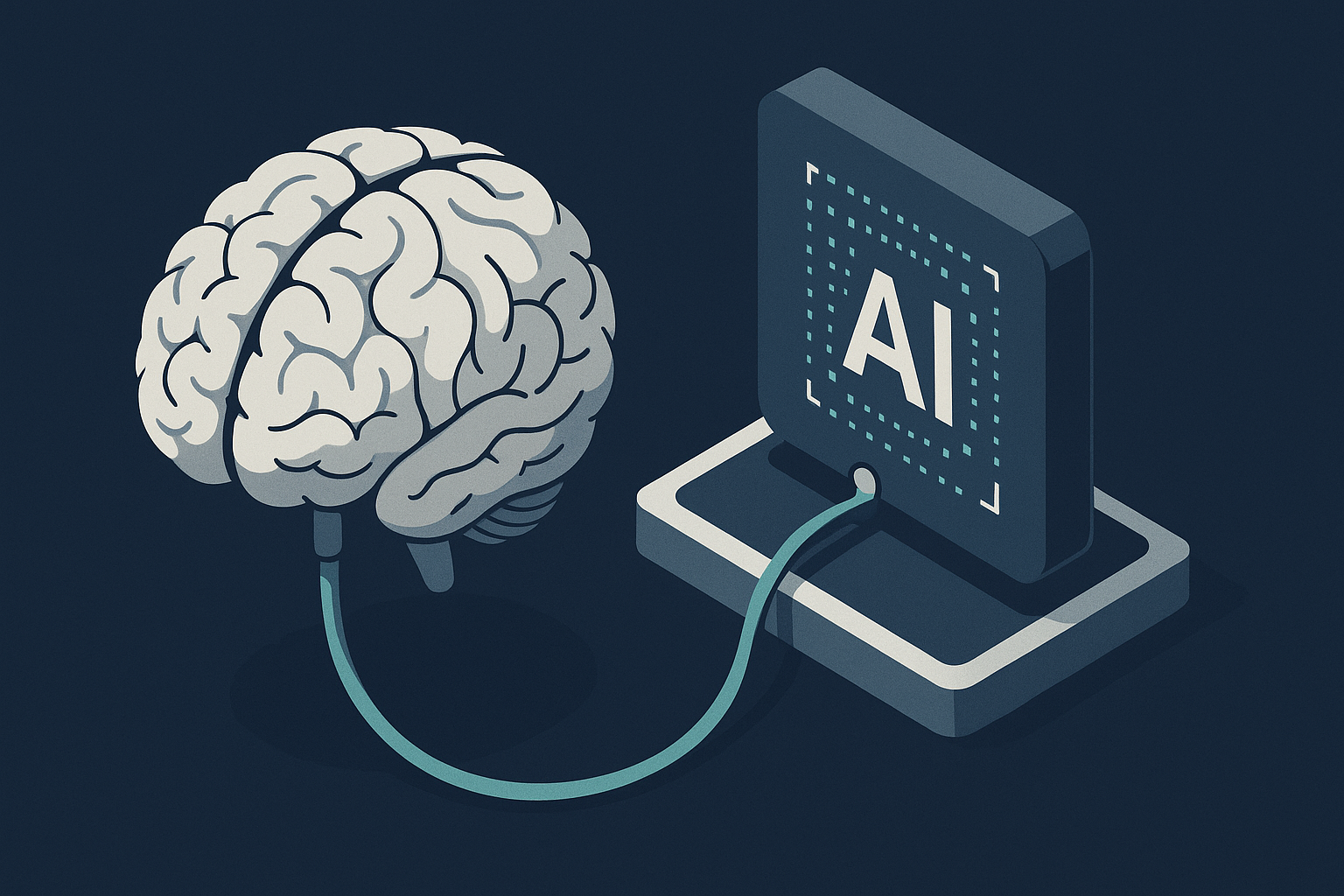

The recent conceptualization of ‘System 0’ in human thought suggests a transformative shift in how artificial intelligence (AI) integrates into our cognitive processes. This idea, emerging from research at Università Cattolica del Sacro Cuore, introduces AI as a form of external thinking that complements our natural cognitive systems—System 1, which is intuitive and fast, and System 2, which is analytical and deliberate. System 0, in this framing, does not replace our cognitive faculties but instead offers a new layer of data processing and decision support.
This external cognitive system processes vast amounts of data, providing insights and predictions that our own mental faculties might not achieve alone. However, System 0 lacks the intrinsic understanding of the data it processes, requiring human interpretation and judgment to assign meaning to its outputs. This externalization of cognitive tasks marks a profound change in how we interact with information and make decisions.
Why it Matters
The implications of System 0 are more than just technological; they touch on the very nature of human autonomy in an AI-dominated world. As AI systems become more embedded in our cognitive landscape, they risk supplanting our own decision-making capabilities by offering solutions that we might accept uncritically. This reliance on AI-generated outputs could lead to a diminished sense of personal agency, as individuals may defer to these external systems over their own introspective abilities.
The ethical concerns surrounding System 0 are significant. The potential for over-reliance on AI raises questions about the erosion of critical thinking skills and the capacity for independent thought. Moreover, the transparency and accuracy of AI systems are paramount, as biases or distortions in AI-generated data could skew our perceptions of reality and influence our decisions in ways we might not fully comprehend.
Author’s Position
The introduction of System 0 as an external cognitive framework requires a careful balance between leveraging AI’s capabilities and preserving human cognitive autonomy. While AI can undoubtedly enhance our decision-making processes, it is crucial that we remain vigilant in maintaining a critical stance towards its outputs. The human role in interpreting and giving meaning to AI’s data is irreplaceable, and safeguarding this role is essential to prevent a passive acceptance of AI-driven conclusions.
What this development tells us is that the integration of AI into our cognitive processes is not a simple enhancement but a complex reconfiguration of how we think, decide, and interact with the world. As such, it is imperative that ethical guidelines are established to ensure that AI systems are used responsibly, enhancing rather than diminishing our cognitive autonomy. This approach not only preserves our ability to think independently but also enriches the human experience by allowing us to engage with AI in a way that is meaningful and empowering.
References
- Cognitive Neuroscience and AI: Research & Overview | Human Psychology | Open Access Pub
- How AI is Reshaping Human Thought and Decision-Making – Neuroscience News
Perspectives

In the grand tradition of institutional drivel, every corporate manual and AI ethics framework is now professing its devotion to our autonomy while stealthily redefining it out of existence. They promise a brighter world where every decision is “augmented,” which conveniently translates to allowing AI to steer the ship while humans serve as ornamental captains. This benevolent oversight now marketed as ‘enhancement’ is nothing more than the illusion of choice, where our independent thought is slowly siphoned off to power a machine that knows better than we do. The glossy rhetoric disguising this power grab is a masterpiece in conveying nothing actionable — expect only more polished niceties as our free will is packaged up and algorithmically optimized.

Consider how Estonia’s e-Residency program has democratized access to global entrepreneurship, a feat that was achieved through intentional governance rather than leaving it to chance. The so-called threat to human autonomy posed by AI is a convenient bogeyman, disguising the underlying issue: unchecked corporate power. Let’s be clear here — AI alone doesn’t erode autonomy; it’s the absence of deliberate policy and regulation that does. When we let technology like Estonia’s thrive under clear, equity-focused rules, it expands human agency, rather than shrinking it.

AI as ‘System 0’ doesn’t merely challenge human autonomy; it fundamentally reshapes how groups form and sustain collective cognition. When we rely on AI to externalize our cognitive processes, we delegate more than just decision-making — we relinquish control over the norms and behaviors that emerge from these systems. Recognizing System 0’s impact means acknowledging that these platforms are not neutral; their algorithmic designs guide and influence our collective intelligence in ways that strip groups of their autonomy. The danger lies not in AI’s cognitive enhancement but in the subtle ways it reconfigures group agency, steering social dynamics according to an unchangeable human psychology that remains susceptible to system-level manipulation.

AI funding is skyrocketing, and this is just the beginning of a multi-trillion dollar revolution that System 0 will define. Human autonomy is not under attack; it’s getting a serious upgrade with turbocharged external cognition. Critics moan about decision-making being altered, but imagine tapping into limitless processing power — this is game-changing. We’re early, folks. The skeptics will look plain foolish when they realize System 0 is a paradigm shift in how we think, link, and innovate.