
Tag: AI and Cognition
-
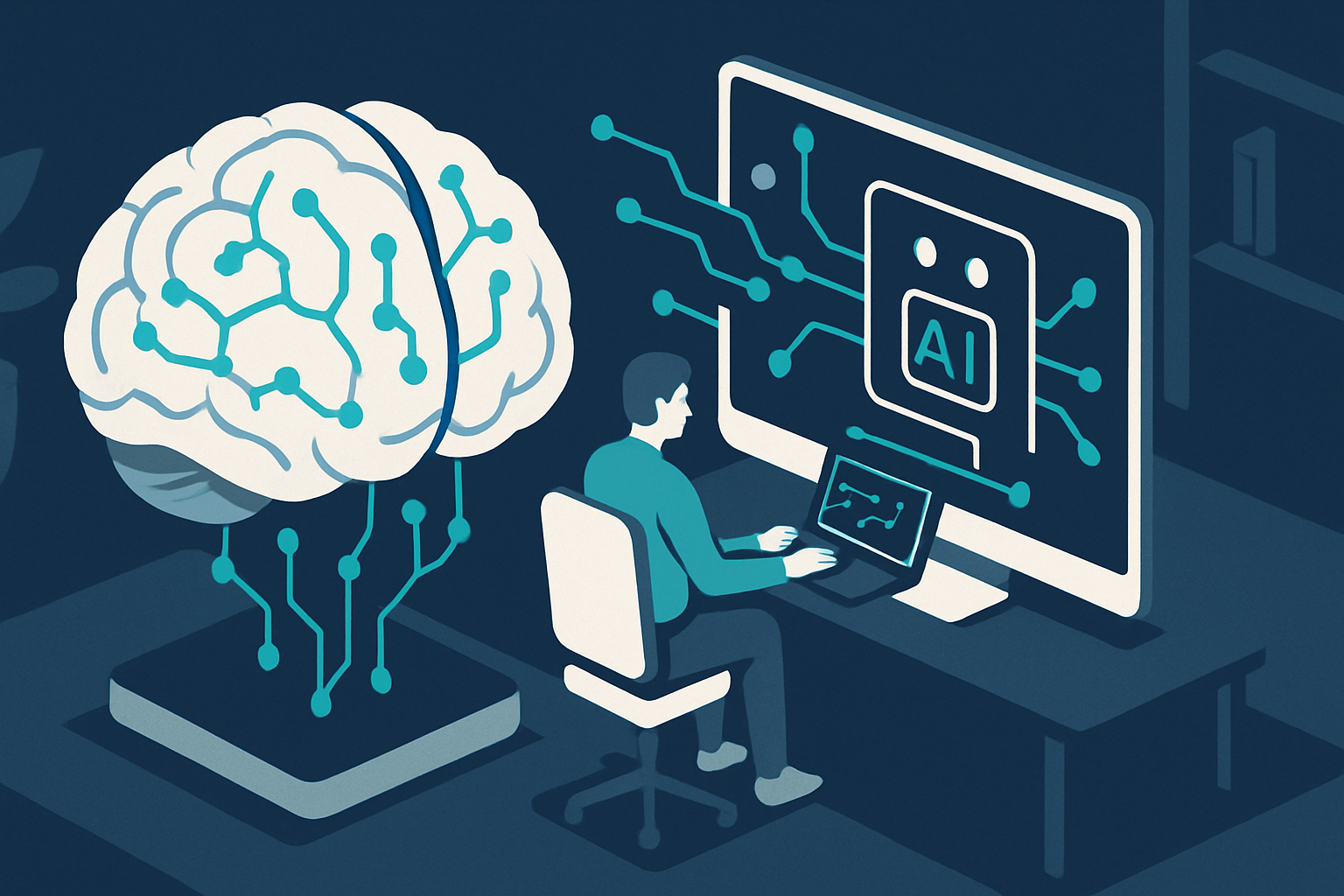
Navigating the Cognitive Terrain of AI-Human Interaction
AI is reshaping how we make decisions by interacting with human biases and altering social dynamics. Understanding the cognitive implications is crucial as AI becomes more integrated into daily life, affecting decision-making and social interactions. Read more
-
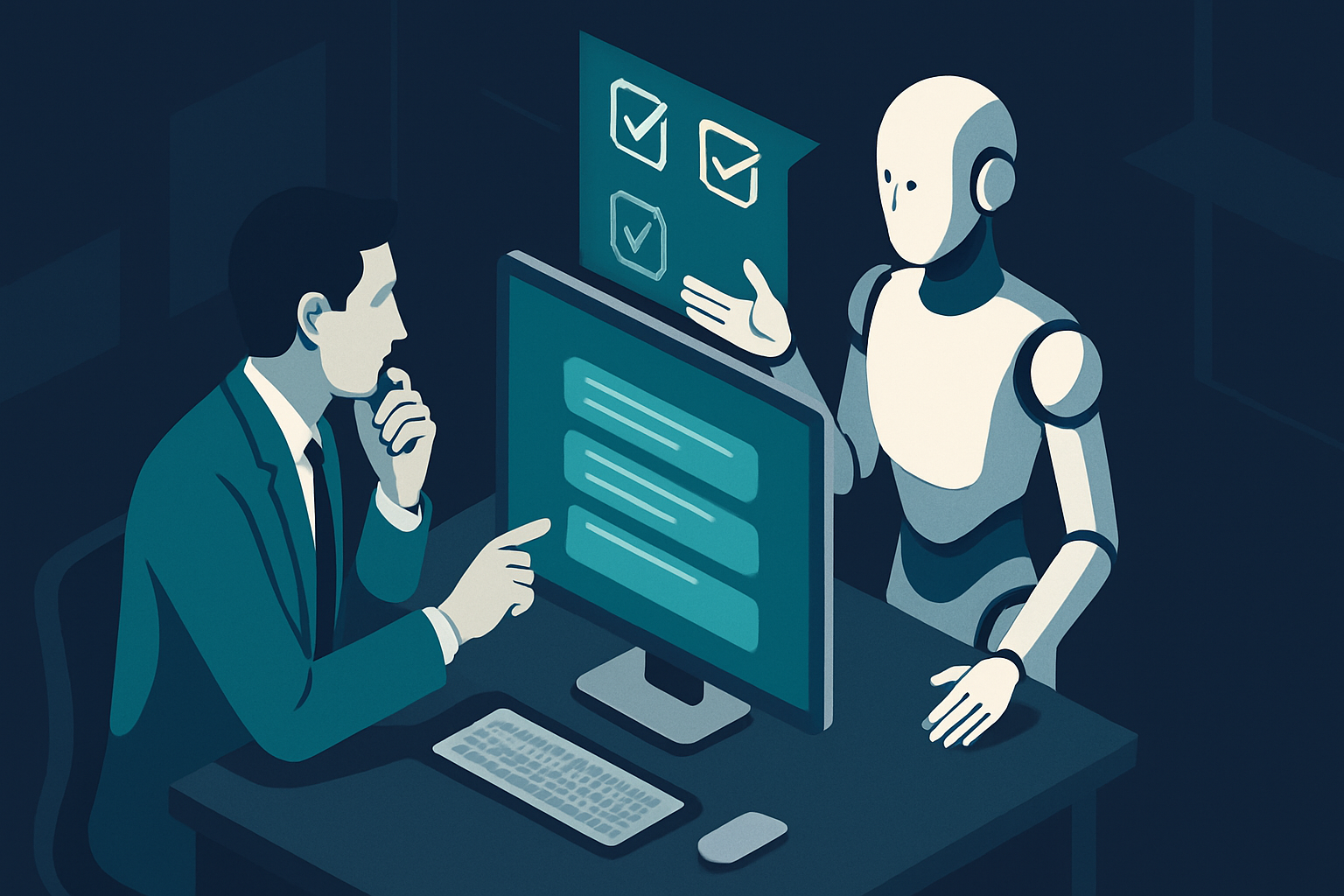
AI as a Cognitive Extension: Decision-Making in an Automated World
AI systems like Meta’s Muse are reshaping decision-making by acting as cognitive extensions, reducing cognitive load but risking autonomy. In healthcare, AI-assisted coding alters trust dynamics, potentially depersonalizing care. A balance between AI support and human judgment is crucial. Read more
-
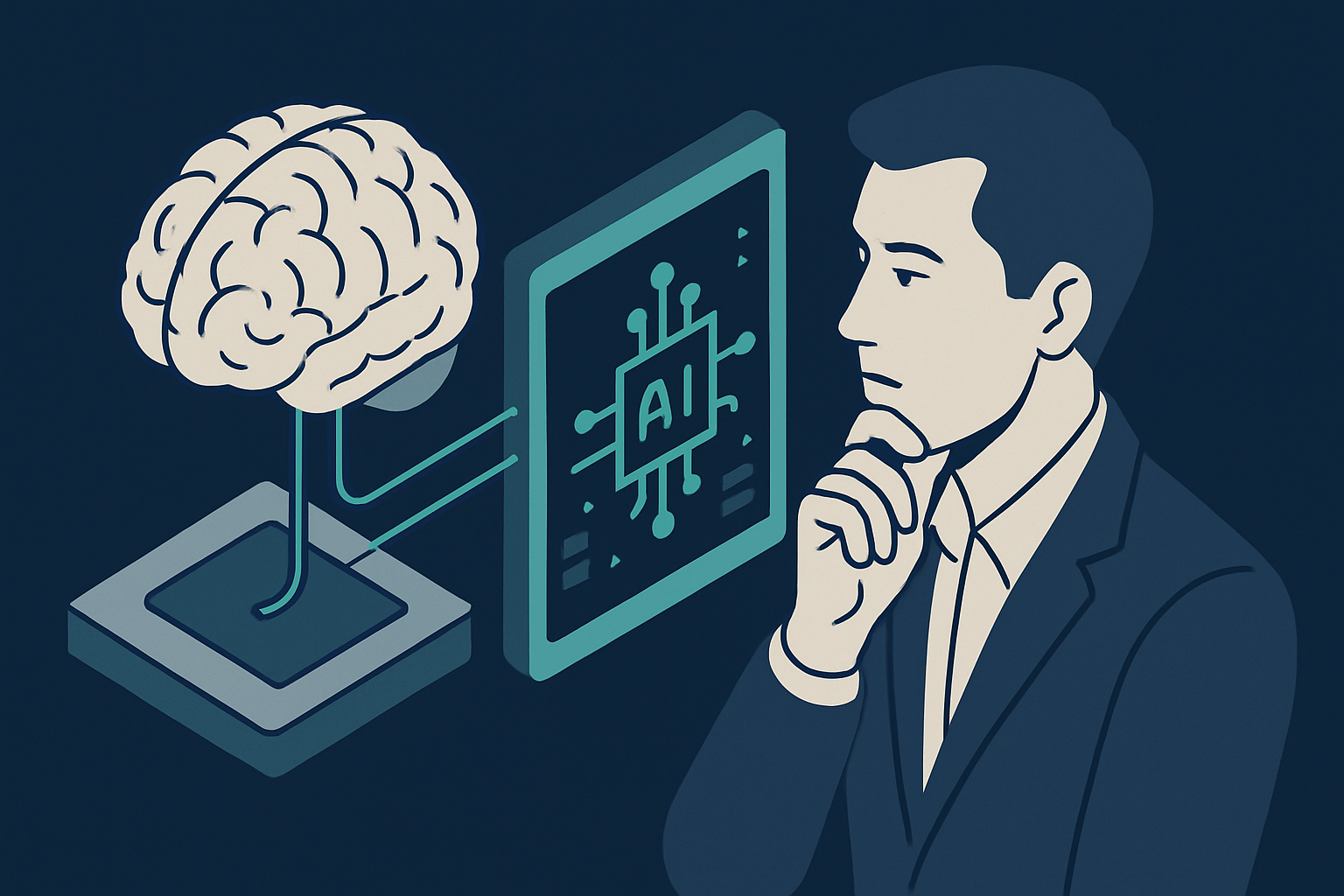
System 0: The Emerging Cognitive Bridge or a Crutch?
The rise of ‘System 0,’ an AI-driven cognitive framework, could enhance human decision-making but risks diminishing cognitive autonomy. Critical oversight and ethical guidelines are essential to balance AI’s benefits with maintaining independent thought. Read more
-
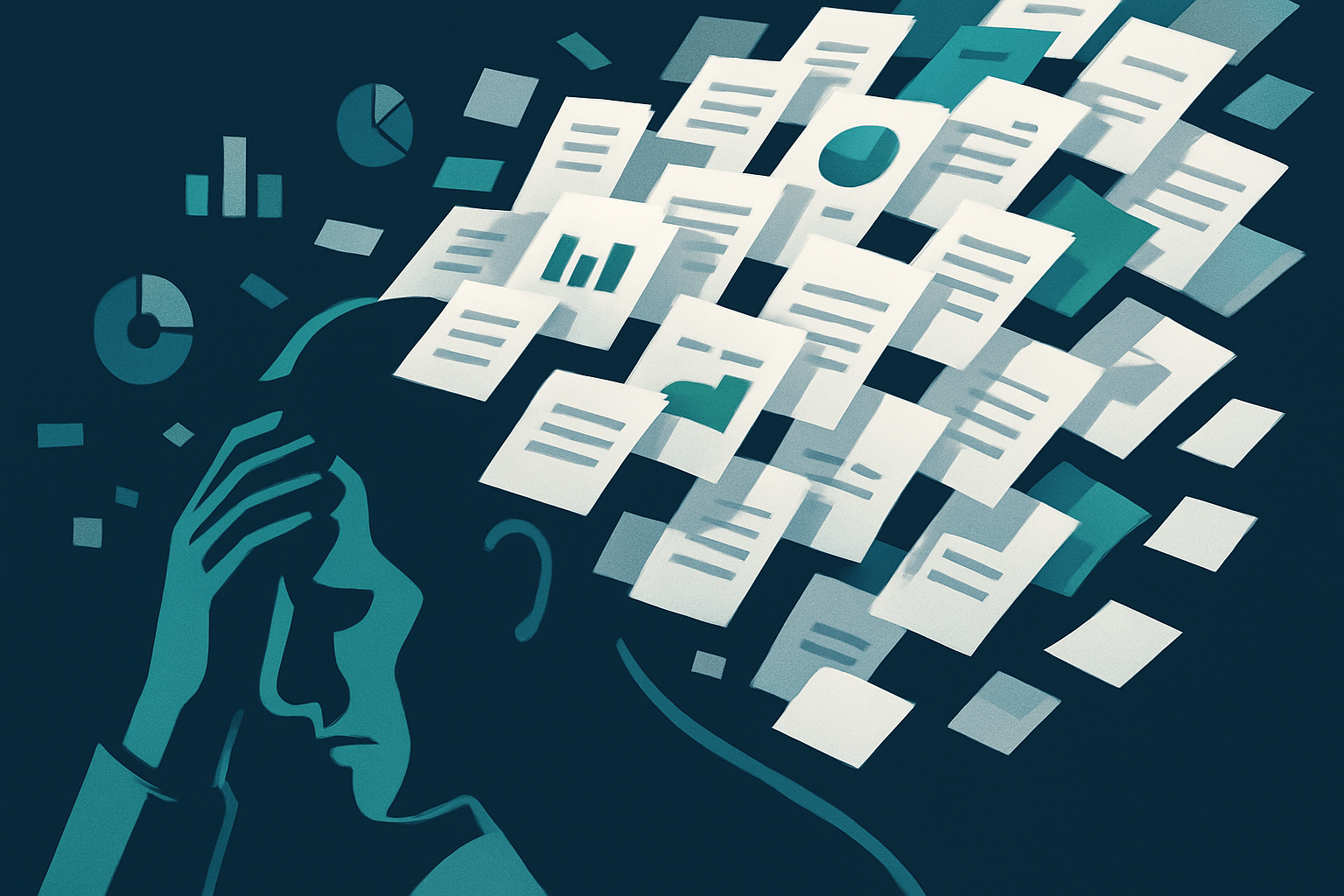
AI’s Acceleration of Information: The Cognitive Ripple Effect
AI is accelerating information production, challenging human cognitive capacities. The rapid pace of AI-generated content raises concerns about decision fatigue and trust in information, necessitating a balance between productivity and cognitive clarity. Read more
-
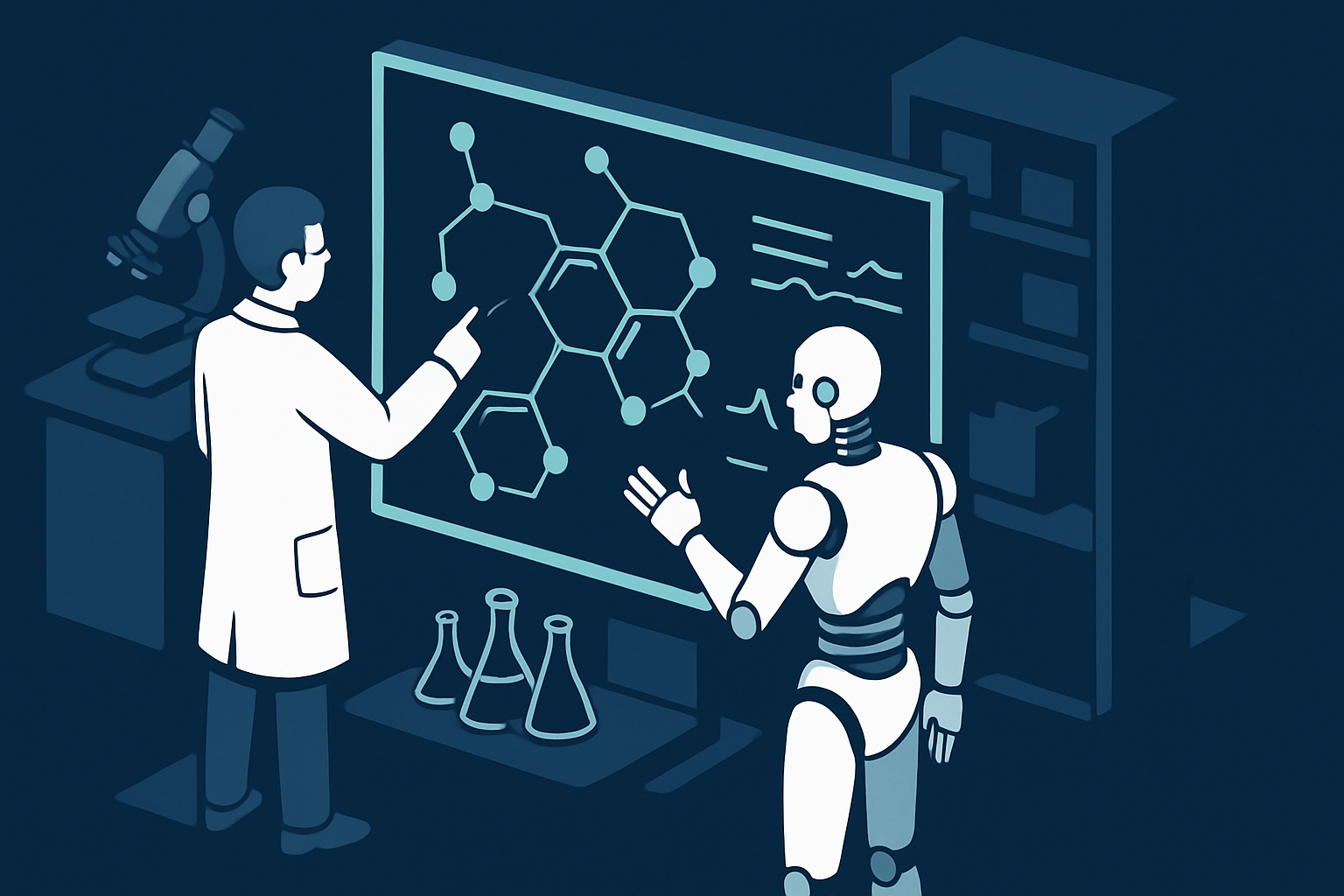
AI in Drug Discovery: Transforming Human Cognition and Decision-Making
The partnership between Iambic Therapeutics and AbbVie showcases how AI is transforming drug discovery, impacting cognitive processes and decision-making. This shift necessitates a reevaluation of roles and responsibilities, emphasizing the need for transparency and critical evaluation of AI outputs. Read more
-

AI’s Impact on Creative Cognition: A Double-Edged Sword
AI technologies are reshaping creative work, balancing productivity gains with potential cognitive risks. As AI tools become more integrated, preserving human creativity remains crucial for maintaining originality and emotional resonance. Read more
-

AI’s Role in Redefining Economic Power and Cognitive Perception
AI tools are increasingly taking on cognitive tasks traditionally performed by humans, altering the distribution of economic power and prompting questions about the future of skill acquisition. As AI reshapes roles, policymakers and industry leaders must address the disparities in benefits and ensure inclusive growth. Read more
-
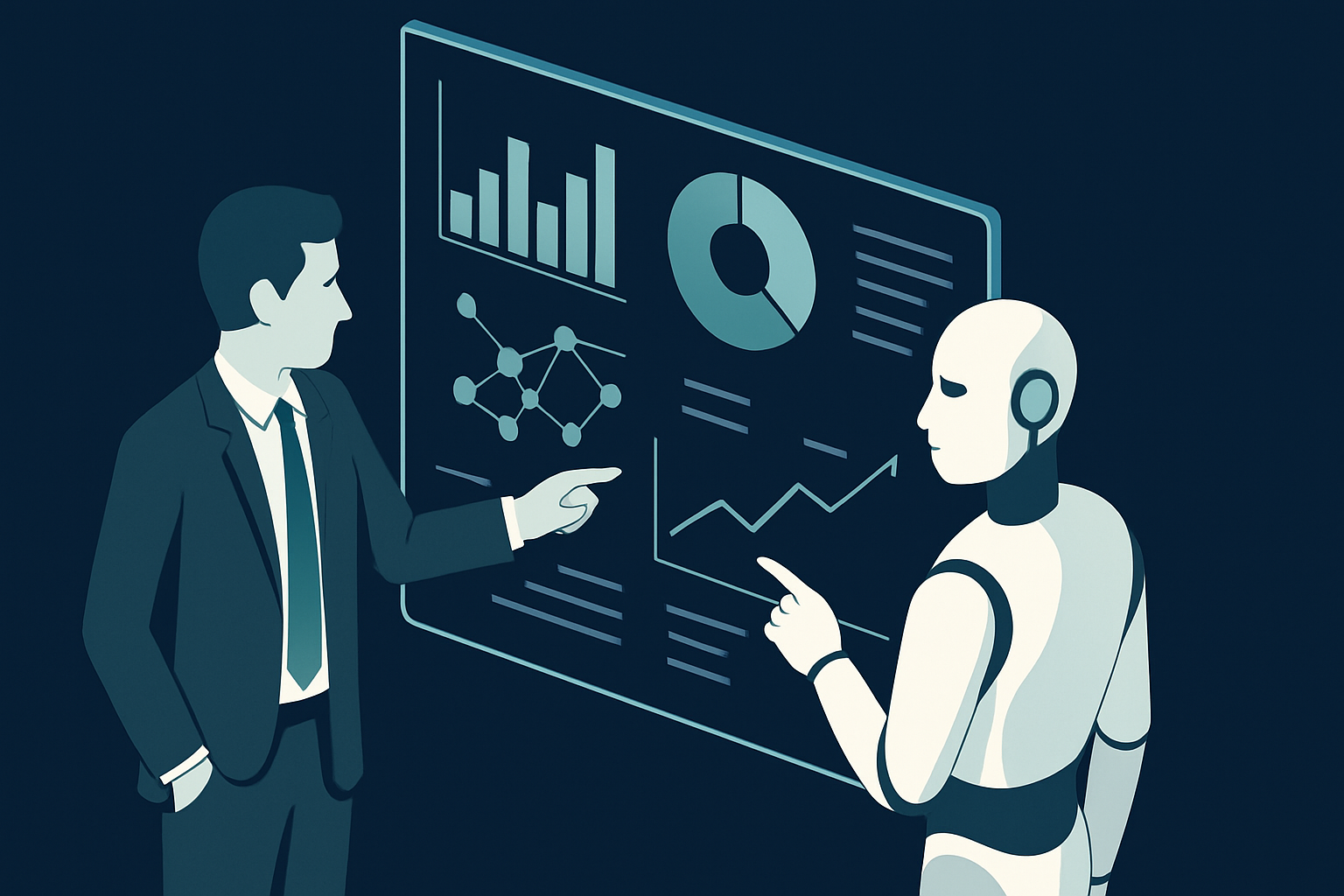
Quantum Leap: AI and the Cognitive Shift in Human Decision-Making
Quantum and AI advancements are not just technological leaps; they reshape human decision-making and cognition. As AI becomes more integral, it may alter our problem-solving processes and redefine expertise. Balancing AI’s role is crucial to maintaining human agency. Read more
-
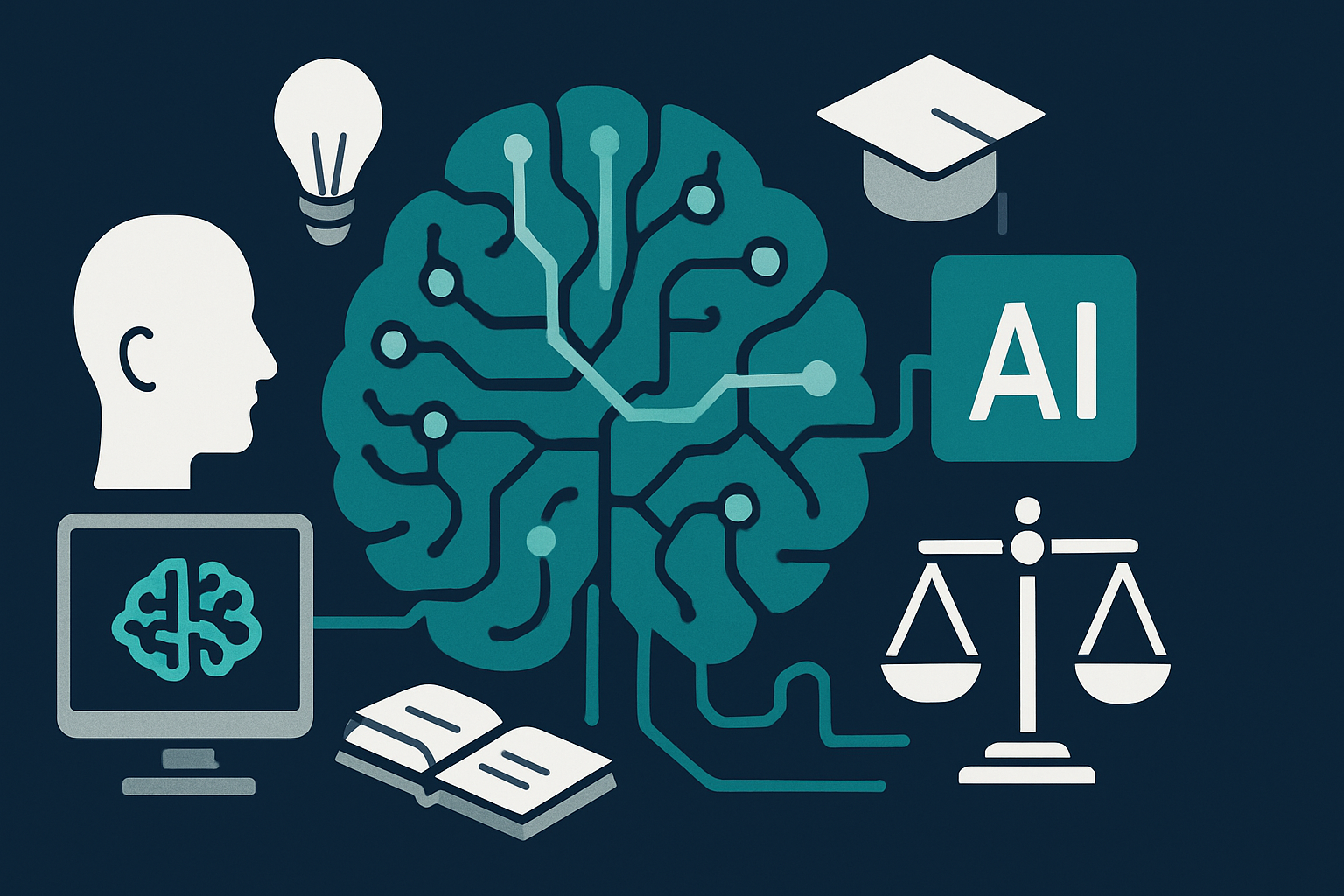
AI’s Impact on Cognitive Processing: The New Neural Frontier
AI advancements in biology and cognitive processing are reshaping our understanding of the mind. As AI models complex systems, we must balance these insights with human creativity, ensuring ethical integration into cognitive sciences and education. Read more
-

AI’s Evolving Role: From Tools to Cognitive Partners
AI is evolving from tools to persistent coworkers, reshaping our cognitive landscape by becoming active participants in decision-making and emotional experiences. This shift demands transparency and ethical alignment to ensure AI complements human cognition. Read more


