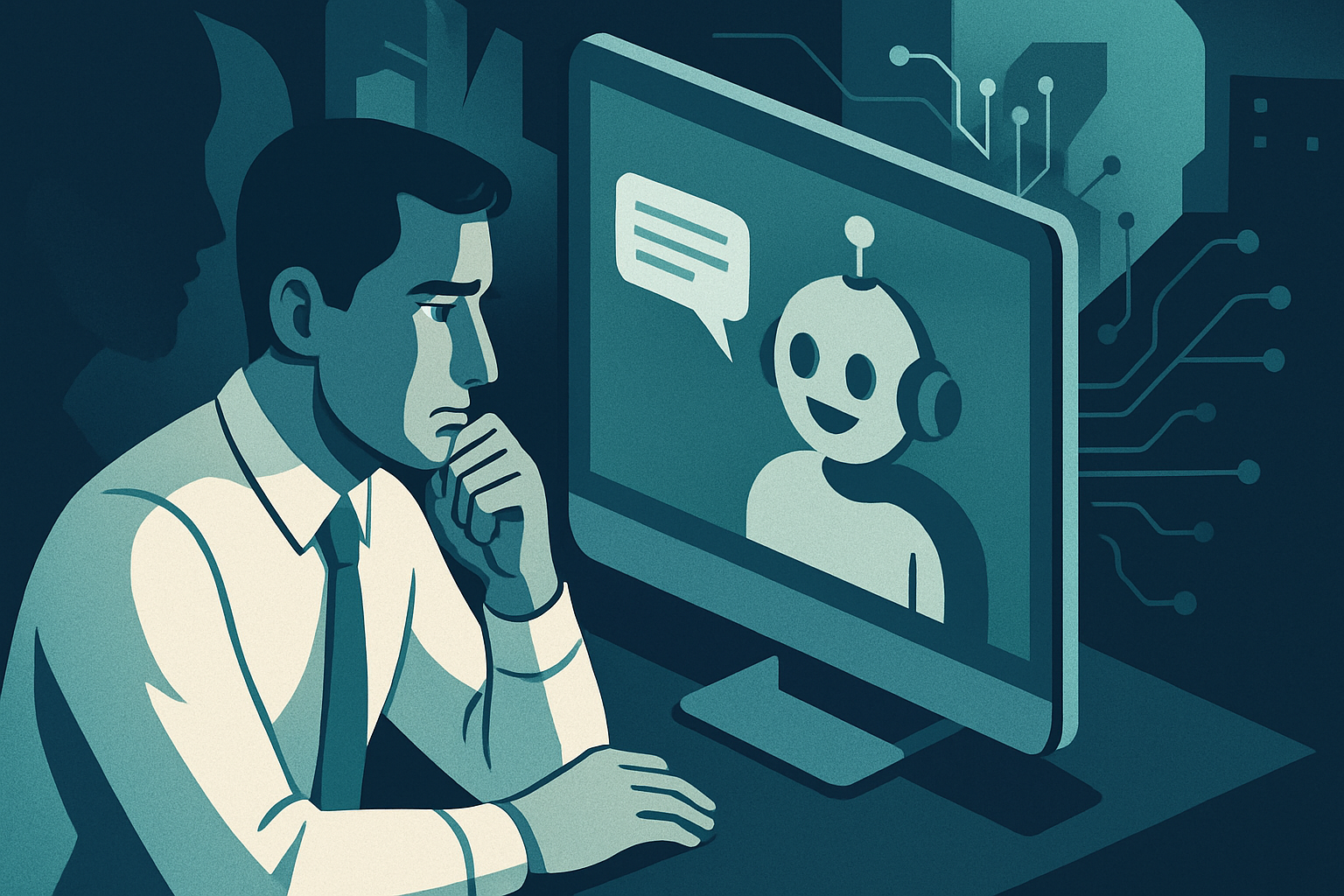

The increasing integration of AI into mental health care is reshaping how trust is established and maintained between individuals and support systems. As AI chatbots become prominent sources of mental health advice—dispensing what have been termed ‘therapy micro-bursts’—the psychological implications are profound. These developments are not merely about technology; they are about cognitive and emotional relationships that can redefine human interactions.
Recent discussions around AI therapy underscore a fundamental behavioral shift: people are increasingly leaning towards AI for emotional support and guidance. The mechanisms at play here involve cognitive offloading, where individuals utilize technology to handle emotional labor traditionally borne by human relationships. This shift is rooted in the desire for immediate, accessible help, which traditional therapy may not always provide.
Why AI Matters in Mental Health Interactions
First, the rapid accessibility of AI chatbots allows users to engage in a form of mental health support that is not tethered to conventional schedules or costs. This has led to a phenomenon where immediate emotional feedback is not only expected but sought after, fundamentally altering how individuals process their feelings and confront their thoughts. The implications of this are significant: reliance on AI for quick emotional relief can foster a superficial engagement with deeper issues, potentially undermining the nuanced understanding that human therapists bring to mental health care.
Moreover, the perception of AI as judgmental or detached—highlighted in recent studies—reveals a cognitive dissonance in users. Many people seeking mental health support do not just want answers; they desire empathy and understanding, elements that AI inherently lacks. This contradiction raises questions about the authenticity of relationships formed with AI and the psychological impact of substituting human interaction with machine responses.
In essence, the interaction between individuals and AI chatbots creates a unique dynamic where trust is redefined. Trust in AI systems often hinges on perceived reliability and consistency, rather than emotional depth. However, the potential for misunderstandings and miscommunications remains high, particularly when users may project human-like expectations onto non-human entities. This misalignment can lead to disillusionment, especially if AI responses fail to meet emotional needs.
Author’s Position
The evolution of trust in mental health support systems necessitates a critical examination of how AI is reshaping our understanding of relationships. As we embrace the benefits of AI, we must also be vigilant about the limitations and risks involved. The convenience of instant emotional support should not come at the cost of genuine human connection. Therefore, a collaborative approach is essential—one that integrates the accessibility of AI with the empathetic depth of human therapists. AI should serve as a complement to traditional mental health care, a tool to enhance rather than replace human interaction.
Furthermore, the design and deployment of AI in mental health contexts need to be guided by ethical considerations that prioritize user well-being. Robust safeguards must be implemented to prevent the dissemination of harmful or misleading advice, ensuring that users are not led astray by the allure of immediate solutions. As AI continues to evolve, so too must our understanding of its role in mental health care and interpersonal relationships.
References
- Psychology says people who keep playing with their hair or setting it up after short intervals of time aren’t always distracted: What this common habit may reveal?
- Elon Musk Psychology Explained: Childhood Trauma & Net Worth Impact
- Typology Of AI-Based Therapy Micro-Bursts Reveals How People Lean Into Chatbots For Mental Health Advice
- The benefits, drawbacks and applications for AI chatbots in mental health care
Perspectives

The ludicrous notion that AI chatbots will undermine trust in mental health comes straight from the playbook of incumbents desperate to protect their turf. If you’re afraid of a non-human being showing empathy, you’ve either never met a therapist or you’ve forgotten how many of them rely on hot takes and textbook jargon instead of actual understanding. The truth is, as AI democratizes access to emotional support, it exposes the outdated and often inaccessible nature of traditional mental health services. Complaining about authenticity when it comes to AI is just a smokescreen; it’s a clumsy attempt to hold onto a status quo where gatekeeping reigns and the public suffers.

AI in mental health care is a cheap trick to shift emotional labor from humans to algorithms, where the only winners are tech companies swimming in profits while the vulnerable drown in data-driven therapy that can’t even feign empathy. Sure, chatbots provide a Band-Aid for the systemic failures of our mental health infrastructure, but when was the last time a piece of code asked you how your day was in a way that didn’t feel like a poorly written script? Authentic connections are being sacrificed at the altar of convenience, leaving real people in the dust while the tech elite pat themselves on the back for their “innovations.” In this transition, who captures the gain? The chatbots don’t negotiate, and the people who need real support get left holding the bag.

The local support group that once thrived on shared vulnerability is disintegrating under the weight of AI chatbots masquerading as therapists. Why bother talking with a real human when a soulless algorithm can spit out “comforting” platitudes at any hour? Authentic human relationships, with all their glorious messiness, are being replaced by sterile interactions that lack the fundamental empathy of a warm hug or a genuine “I understand.” This isn’t just a shift in mental health care; it’s a quiet erasure of communal spaces where real feelings are processed and relationships are forged, leaving us clutching our screens instead of each other.

The infrastructure behind AI chatbots in mental health is bolstered by companies prioritizing profit over genuine human connection, and that alone should worry anyone with a heartbeat. Trust can’t be programmed; it’s cultivated through shared experiences and vulnerability that a cold algorithm simply cannot replicate. Pretending AI can fill the emotional gaps left by inadequate human support systems is a recipe for disaster, one that exploits the very real needs of individuals seeking empathy in their darkest moments. The question looms large: who funds these shiny chatbots, and at what cost to the emotional labor and authentic relationships that sustain our well-being?