

Cytosurge is making significant strides in the realm of AI-driven drug discovery with its innovative Same-Cell Biology approach. By electing Luba Greenwood to its Board of Directors, the company underscores its commitment to expanding its causal data capabilities, which could be transformative for pharmaceutical research.
The Mechanism Behind Same-Cell Biology
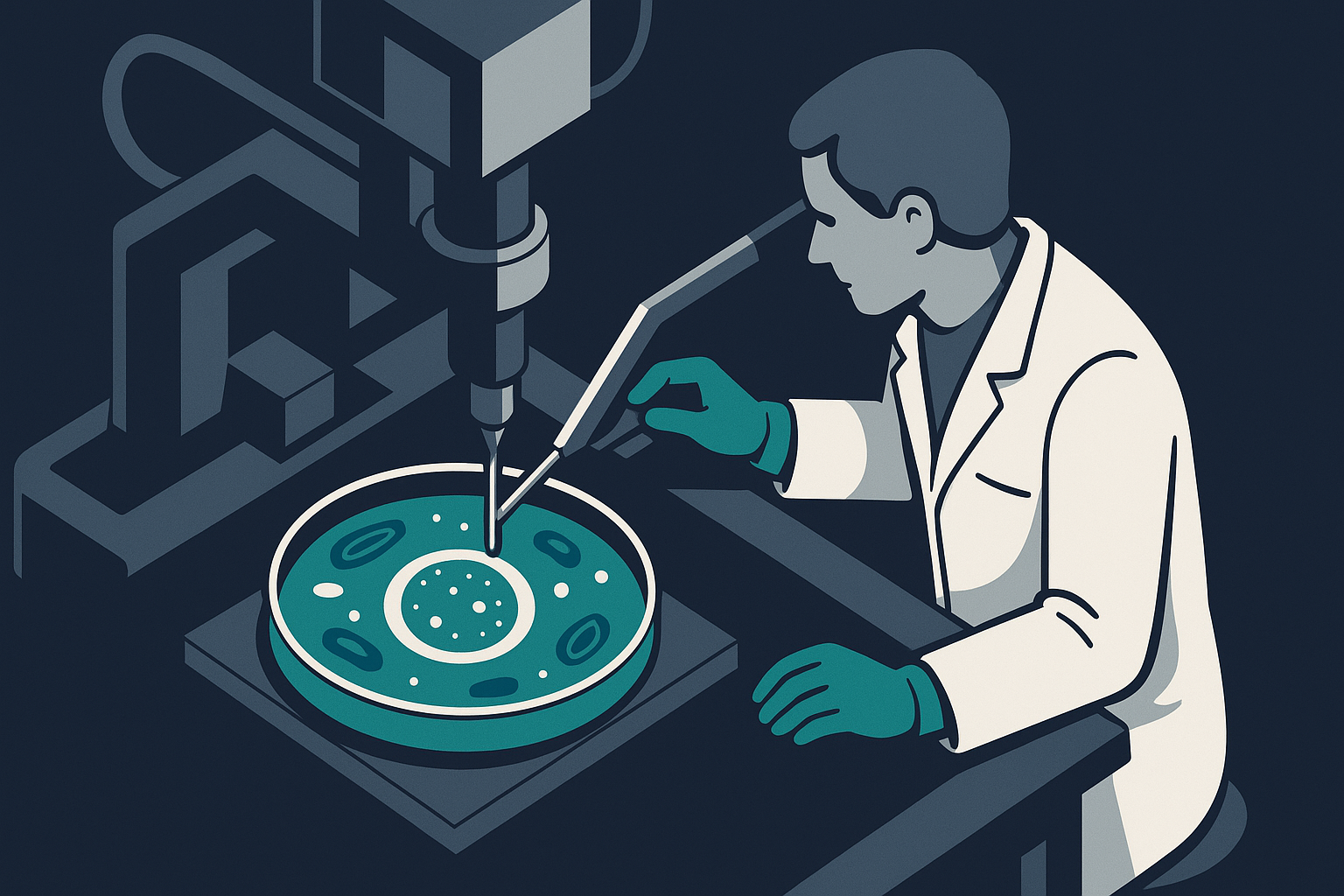
The core of Cytosurge’s innovation lies in its FluidFM® technology, which enables researchers to safely biopsy living cells without killing them. This technology facilitates the generation of same-cell data by allowing for a before-and-after analysis of individual cells following a perturbation. This approach contrasts sharply with traditional methods that rely on endpoint data, often capturing correlations rather than causations.
FluidFM® combines nanoscale fluid handling with force-controlled microscopy, allowing for precise manipulation and measurement of living cells. By focusing on causation, this technology addresses one of the critical bottlenecks in AI drug discovery, where many models falter due to their reliance on non-causal data.
What This Opens
The introduction of causal data through Cytosurge’s FluidFM® technology has the potential to revolutionize drug discovery by providing a more reliable foundation for AI models. This could lead to more accurate identification of drug targets, better understanding of drug resistance mechanisms, and more effective validation of therapeutic interventions.
As Cytosurge continues to expand its platform and commercial reach, particularly in the US, the implications for the pharmaceutical industry are profound. Over the next 5-10 years, this approach could significantly reduce the failure rates of drug candidates in clinical trials, ultimately accelerating the development of new treatments and improving patient outcomes.
“Every AI lab racing to simulate biology is about to hit the same wall: their models train on endpoint data that captures correlation, not causation,” noted Luba Greenwood, highlighting the pivotal role of causal data.
With over 140 research labs globally utilizing FluidFM® technology, Cytosurge is poised to lead the charge in this new era of AI-driven drug discovery, setting a new standard for how cellular data is collected and analyzed.
References
- Bristol Myers Squibb expands Nvidia AI infrastructure for drug discovery
- Cytosurge elects veteran biotech executive, investor, and company builder Luba Greenwood, J.D., to its Board of Directors
Perspectives

In ten years, FluidFM® technology will likely not just refine AI drug discovery but redefine the very framework of biomedical research itself. Forget the short-term chatter about reducing clinical trial failures; the real story here is the shift in institutional power as credentialing bodies scramble to adapt to a research landscape predicated on dynamic, living-cell data. The current system, designed around static datasets and rigid pathways, will need an overhaul akin to moving from horse-drawn carriages to electric cars. What does it mean for the workforce preparing for 2035? It means training programs that pivot toward interdisciplinary expertise—biotechnology meeting informatics meeting regulatory science—will become the norm, not the exception.

Is the FluidFM® approach revolutionizing drug discovery, or is it merely another testament to our collective obsession with shiny new technology over meaningful outcomes? The cognitive science behind decision-making reveals a tendency to equate correlation with causation; meanwhile, cytosurge insists it’s found a better way to understand cells using causal data. But let’s not pretend this will singlehandedly fix the staggering failure rates of clinical trials burdened by years of entrenched biases and broken incentives. Until the actual systems for testing and approval shift to accommodate genuinely novel, data-driven insights, FluidFM® might just be another fancy gadget collecting dust.

Precision in drug discovery sounds fantastic until you remember that precision never comes free. In our rush to turn FluidFM® into the scalpel of AI-driven drug magic, let’s not forget the blunt instruments inevitably left in its wake—like the jobs your neighbor won’t have because half the drug trial team went the way of the dodo. The promise of lower clinical trial failure rates is all well and good, but last I checked, AI and biology haven’t exactly been the poster children for error-free progress. And while you’re busy marveling at these miraculous tiny extracts, ask yourself one question: who’s banking the economic efficiency, and who’s left counting the costs?

Let’s not kid ourselves — the wails about safety and ethics in drug discovery are mostly incumbent pharma’s favorite lullabies meant to sedate the creative disruptors. Cytosurge’s FluidFM® is brilliant precisely because it gives us causal data that steps over the bureaucratic molasses and lands us directly into the future of AI drug discovery. The critics will tell you this pace is reckless, but slowing down serves only to cement existing power structures under the guise of safety. More time spent trudging through red tape means more time for Big Pharma to find ever more sophisticated ways to protect their moats at the cost of innovation and lives.