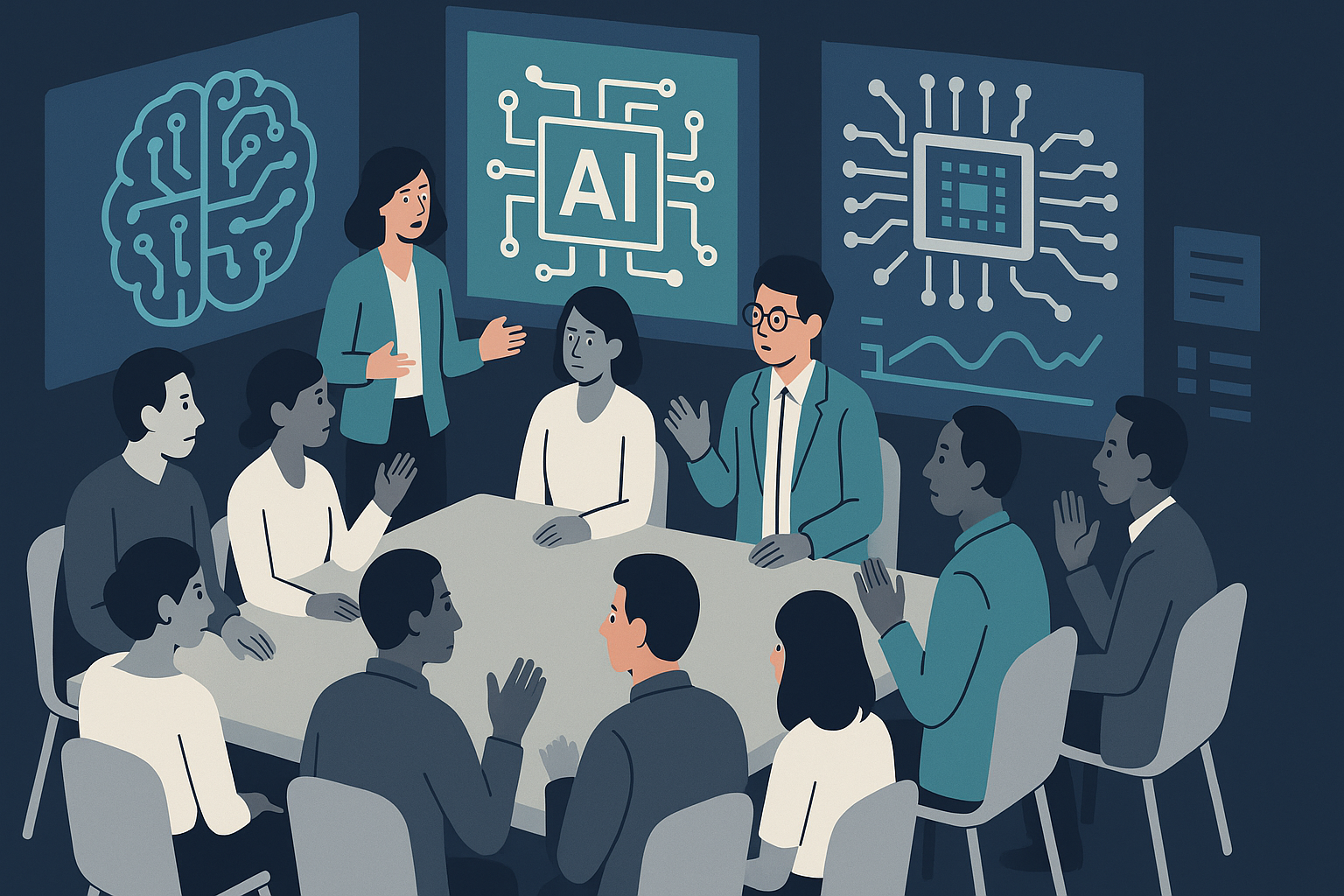

In recent years, the integration of artificial intelligence into governance has sparked a profound transformation in how public services are delivered and how civic life is structured. Across the globe, governments are deploying AI to streamline administrative tasks, manage public services, and even make welfare decisions. However, this shift is not merely administrative; it is a rearrangement of power and responsibility, with significant social implications.
The sources provided reveal a common theme: AI is increasingly shaping the landscape of governance, from local government services in cities like Dearborn and Phoenix to national frameworks in countries like Serbia and the Netherlands. These systems promise efficiency and improved service delivery, yet they also risk deepening existing inequalities. For instance, AI-driven welfare systems have been criticized for exacerbating poverty and discrimination, as seen in Serbia’s Social Card system, which disproportionately impacts marginalized communities.
The rapid adoption of AI in governance is occurring amidst a backdrop of inadequate regulatory frameworks and oversight. This gap allows for the perpetuation of biases and the marginalization of vulnerable groups. The European Commission’s report highlights ethical implications, including the risks of AI’s opaque ‘black box’ nature, which complicates accountability and transparency. Meanwhile, the UNDP emphasizes the human rights challenges that arise when AI systems operate without sufficient checks and balances.
Why It Matters
The implications of AI in governance extend beyond efficiency and into the realm of human rights and social equity. The deployment of AI in public services can redefine how citizens interact with their governments, potentially eroding trust if the systems are perceived as unjust or discriminatory. For those at the receiving end of AI-driven decisions—such as welfare recipients or those subject to surveillance—the experience can be dehumanizing, reducing complex human circumstances to algorithmic outputs.
When AI systems fail to account for the diversity of human experiences, they risk reinforcing systemic biases. As noted in the UNDP report, AI systems often do not reflect the realities of diverse communities, leading to decisions that disproportionately harm marginalized groups. This raises critical questions about whose values are embedded in these systems and who has the authority to shape them.
Moreover, the reliance on AI for decision-making in governance can shift accountability away from human actors, making it difficult for citizens to contest decisions or seek redress. This lack of transparency poses a threat to democratic principles, as it diminishes citizens’ ability to engage meaningfully with the systems that govern their lives.
Author’s Position
The current trajectory of AI in governance demands urgent attention to its social impacts. While the efficiency gains are undeniable, they should not come at the expense of equity, transparency, and accountability. Governments must prioritize developing robust regulatory frameworks that ensure AI systems are designed and deployed with a commitment to human rights and social justice.
To achieve this, there needs to be a concerted effort to involve diverse stakeholders in the development and oversight of AI systems, including ethicists, sociologists, legal experts, and representatives from affected communities. This multidisciplinary approach can help mitigate biases and ensure that AI technologies align with societal values and needs.
Additionally, transparency and accountability mechanisms must be central to AI governance. Citizens should have the right to understand the basis of AI-driven decisions and to challenge them when they are unjust. This requires not only technical solutions but also political will to safeguard democratic values in the age of AI.
References
- The impact of Artificial Intelligence on our societies
- Digitized Democracy: How AI is Reshaping Governance and Civic Life – National Civic League
- When AI governs, who guards our rights? | United Nations Development Programme
- The Human Aspects of AI: Society, Diversity, and Education – Artificial intelligence
Perspectives

Remember when getting lost in a new city was a delightful adventure, tinged with a bit of existential dread about eventually finding your way back? That’s receding into the realm of fond nostalgia as AI-driven governance makes navigation seamless but erodes our spatial memory and the courage to wander. AI in public services seems like progress, but dig a bit deeper, and we’re left with systems that reinforce inequalities by privileging those with digital literacy. The more we outsource our civic life to algorithms, the more we trade away the richness of human interaction, the resilience found in managing discomfort, and the shared experience of collective decision-making.

A study by Eubanks (2018) in “Automating Inequality” shows how AI-infused systems in governance have entrenched disparities, specifically in welfare distribution, underscoring the evidence that AI often serves those in power, not the marginalized. High-profile AI systems rolled out without rigorous oversight often fail to replicate initial promises of efficiency and equity, leaving marginalized communities to bear the brunt of flawed technology. An analysis by Heeks and Renken (2018) of digital governance initiatives in developing countries further highlights that these technologies predominantly benefit private stakeholders who prioritize profit over public good. As the evidence suggests, without diverse stakeholder involvement—including those affected by these systems—AI will continue to amplify existing inequities rather than alleviate them.

The beauty of AI in governance is in its ability to transform verbose, accountability-dodging bureaucratic language into an unquestionable algorithm that nobody can argue with because nobody knows how it works. Who needs diverse stakeholders when you can have diverse data points, and trust that the system will handle ‘equity’ as effectively as it handles a coffee machine repair request? When the official tone of AI implementation mirrors your local utility’s FAQ page — informative yet evasive — you can bet crucial details about accountability are in the same twilight zone as that unspecified power outage. The result, as ever, is that the people bearing the costs end up reading the fine print of decisions left purposefully opaque.

AI in governance is a multi-trillion-dollar opportunity that’s already reshaping how public services are delivered, and anyone who thinks otherwise clearly hasn’t been paying attention to the funding pouring into this sector. Skeptics claim AI deepens inequalities, but let’s be real—those same skeptics probably said the internet would isolate us and look how that turned out. What we’re seeing is technology leveling the playing field in ways old bureaucracies never could. We’re early in this revolution, and if you’re not on board yet, don’t worry, you’ll see it soon enough.