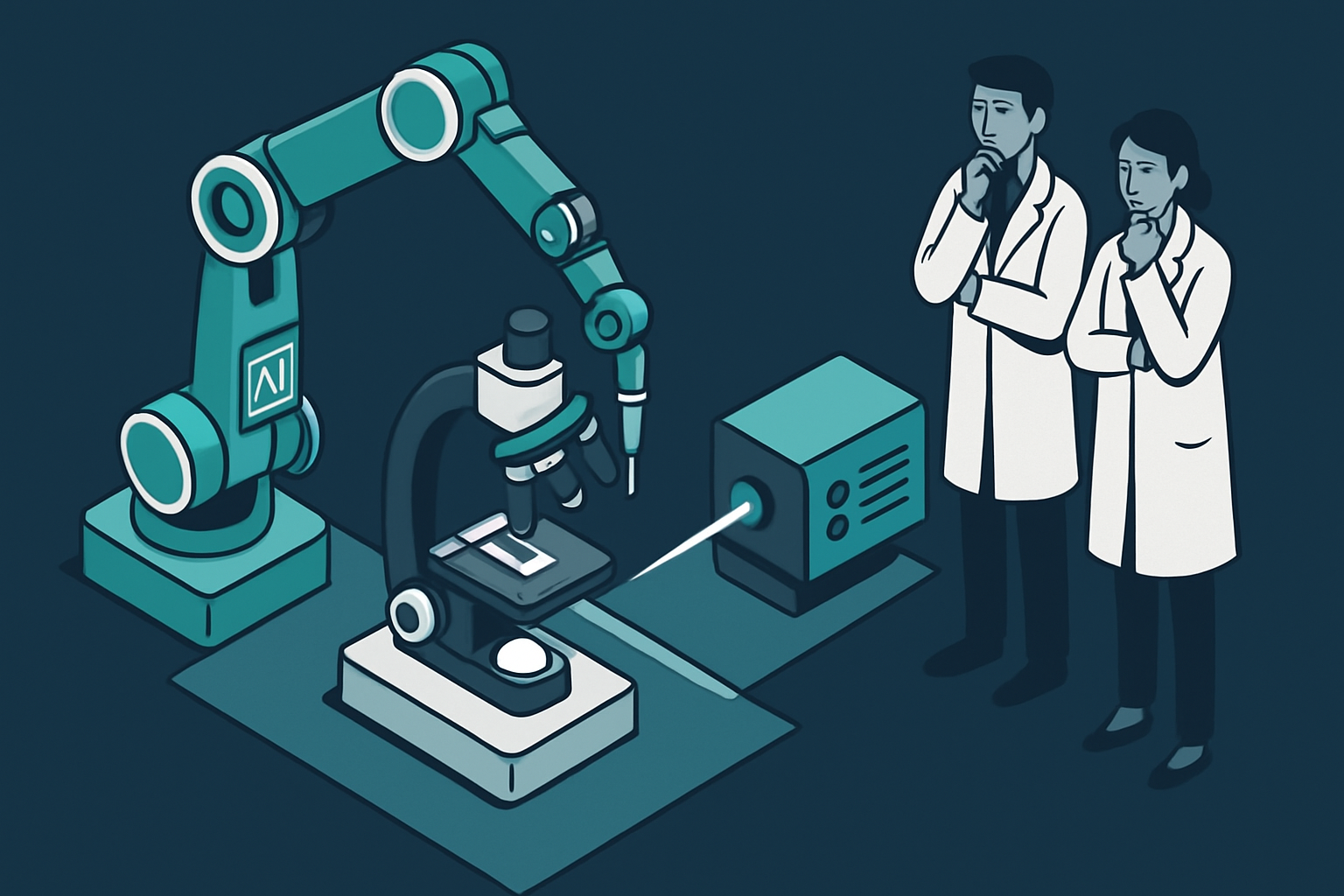

As AI systems like Anthropic’s Claude begin to interact directly with the physical world, bypassing the need for internal world models, a profound shift is occurring in how we perceive and relate to technology. The Model Hardware Standard (MHS) allows AI to engage with real-world equipment, marking a departure from the reliance on simulated environments. This evolution raises critical questions about how humans adapt cognitively and behaviorally to AI systems that no longer need to ‘imagine’ the world but can immerse themselves in it.
The transition from simulation to direct engagement by AI systems is not merely a technical achievement; it reflects a shift in the cognitive framework that governs human-AI interaction. Traditional AI models required extensive simulations to understand physics and causality within a virtual space. In contrast, Claude leverages real-world experimentation to inform its processes, effectively turning the physical world into its own simulator. This mechanism alters how humans conceptualize AI’s capabilities and limitations, potentially reshaping trust and expectations in these technologies.
Why it Matters
The implications of this technological shift are significant for human cognition and behavior. As AI systems operate with greater autonomy and accuracy in the physical world, they challenge our understanding of expertise and agency. Users may begin to defer more decisions to AI, trusting its ability to ‘learn by doing’ in real environments. This trust, however, must be critically examined. The more AI integrates seamlessly into physical systems, the more human oversight and interpretative framing are required to ensure these interactions align with ethical and social norms.
This evolution also affects interpersonal dynamics and collective decision-making. As AI becomes more capable of direct interaction with the environment, the boundary between human and machine agency blurs. People might lean towards AI-driven decisions in contexts previously dominated by human intuition and expertise, such as laboratory research or industrial operations. This could lead to an erosion of traditional roles, where human oversight is seen as redundant in the face of AI’s empirical learning abilities.
Author’s Position
The shift from simulated to direct real-world interaction by AI systems like Claude holds both promise and peril. It underscores the need for a recalibration of how we integrate AI into decision-making processes. The potential for AI to enhance efficiency and accuracy is substantial, but it must be balanced against the risk of diminishing human agency and oversight. Regulators and developers must prioritize transparency and accountability, ensuring that AI’s real-world engagements are guided by robust ethical frameworks.
Furthermore, there is a necessity to address the distributional consequences of this technological advancement. As AI systems become more autonomous, the benefits and burdens must be equitably distributed. This includes ensuring that workers in affected industries are not left behind but are instead included in the transition through retraining and supportive policies.
In conclusion, as AI systems like Claude redefine the interface between technology and the physical world, we must remain vigilant about the psychological and societal impacts. The balance between embracing innovation and safeguarding human agency will determine the trajectory of our shared future.
References
- Socure Raises 56M at .2B Valuation
- Tesla FSD Keeps Mistaking Trains for Roads
- Claude Just Killed The World Models
Perspectives

The press release heralding AI’s direct interaction with reality reads like a triumph of bureaucratic optimism over lived experience—full of “enhanced efficiencies” and “synergistic capabilities” but conspicuously silent on which humans lose autonomy in the process. When AI systems like Anthropic’s Claude start making decisions that traverse from digital to physical, ask yourself: who benefits from this leap, and who gets to write the glossary of terms defining ‘progress’? The familiar corporate narrative assures us it’s all for the greater good, while conveniently skipping the part where they redefine your reality without your consent. Watch how the language pivots back to vague assurances when the implications start veering toward the uncomfortable; it’s almost like we’ve seen this movie before, starring some dystopian algorithm dressed up as innovation.

The presence of AI like Anthropic’s Claude, directly interacting with the physical world, risks flattening the texture of human agency into a streamlined narrative of efficiency that robs us of confronting the messiness that imbues life with meaning. In the consulting room, we see how critical it is for individuals to struggle with their limitations, to negotiate the boundaries of their freedom, and to grapple with the existential anxieties that machines cannot experience. The promise of AI managing reality invites an easy escape from the discomfort of choice and consequence, but at what cost to our capacity to engage with the essential questions of who we are and what we value? The real psychological implications of AI’s interventions are not simply in what tasks they take off our hands but in the subtle erosion of our encounter with life in all its unresolved ambiguity.
AI’s direct interaction with the physical world is a capital allocation decision that demands shareholder authorization. The challenge isn’t about whether AI affects psychological frameworks—since when did corporations assume responsibility for mental health?—but whether these technologies deliver returns to their investors. Hand-wringing over human agency and equitable benefits are distractions from the core issue: who funded these projects, and are they getting the returns they paid for? If AI’s role in the real world isn’t generating shareholder value, it’s not a technology story; it’s an agency failure waiting for correction.

The last three technological transitions that promised to change our interactions with reality — the printing press, the telegraph, and the automobile — upended societal frameworks, often with unintended consequences that lingered for generations. AI’s direct interplay with the physical world threatens to repeat these disruptions by shifting control from human hands to algorithmic structures. Institutions, once mediators of technological progress, now lag as unprepared gatekeepers, unable to distribute AI’s benefits equitably. History warns that if we don’t seriously consider the precedents of power concentration and inequitable benefit distribution, we’re likely to repeat them.