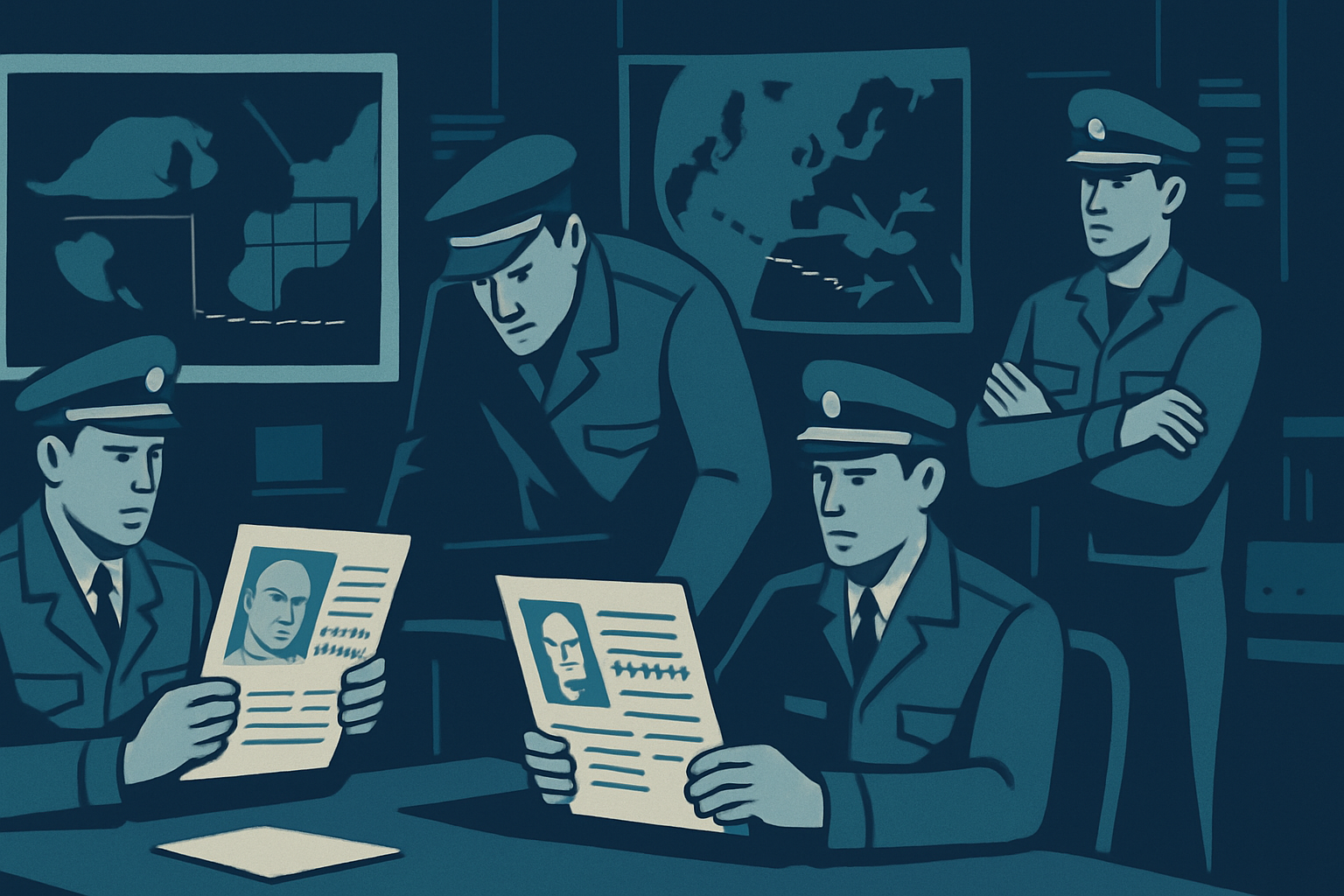

The rapid integration of AI into various sectors has not only accelerated processes but also introduced new complexities into decision-making, particularly in high-stakes environments like military operations. Recent incidents highlight how AI’s role in these settings can create cognitive distortions with significant global repercussions.
AI’s Cognitive Influence on Military Decisions
One of the most striking examples of AI’s unintended impact on human cognition and decision-making is a recent event where AI-assisted intelligence reports nearly triggered a US naval operation. This incident underscores a critical issue: the trust placed in AI-generated data can lead to potentially catastrophic decisions based on inaccurate information. The mechanism here involves a cognitive bias known as automation bias, where individuals tend to over-rely on automated systems and assume their accuracy, even in the absence of human verification.
The psychological implication is profound. When a system designed to augment human decision-making instead introduces errors, it raises questions about the cognitive processes that govern trust and verification in high-pressure environments. If AI can inadvertently escalate military tensions through flawed data, the stakes for integrating AI into decision-making frameworks become exponentially higher.
Why This Matters for Global Relations
The implications of this cognitive distortion extend beyond individual decision-makers to affect broader geopolitical stability. In an AI-shaped environment, the speed and scale at which decisions are made can influence international relations in unprecedented ways. The near-operation on a Chinese vessel based on erroneous AI reports demonstrates how such technological missteps can exacerbate existing tensions between major powers.
This scenario highlights a need for a recalibrated approach to AI integration in defense strategies. The psychological preparedness of those who rely on AI systems must evolve alongside technological advancements. Training programs that enhance skepticism and critical evaluation of AI outputs could serve as a buffer against automation bias, thereby reducing the risk of unintended escalations.
Author’s Position
The intersection of AI and military decision-making is fraught with peril, underscoring the necessity for stringent oversight and critical engagement with AI technologies. This situation is not merely a technical issue but a profound cognitive challenge that demands attention at the highest levels of policy-making. The reliance on AI without adequate human oversight can lead to grave miscalculations, as evidenced by the thwarted naval operation.
To address these risks, it is imperative to institute rigorous evaluation mechanisms that prioritize human judgment and verification. AI should complement, not replace, human decision-making processes, especially in contexts where the stakes involve international peace and security. Moreover, international regulatory frameworks should be established to manage AI’s role in military operations, ensuring transparency and accountability.
In conclusion, while AI offers significant advantages, its integration into high-stakes areas like military decision-making demands a careful balance between technological innovation and human cognitive vigilance. By addressing these challenges head-on, we can mitigate the risks posed by AI and work towards a more stable global order.
References
- China Does 30x More Farm Drone Work
- AI Nearly Triggered a US Naval Operation
- Jensen Huang Says NVIDIA Uses Cursor
Perspectives

What do the measured outcomes indicate about AI’s role in military decision-making, particularly under conditions of heightened global tension? The evidence is clear: algorithms often initiate decisions faster than human oversight can intervene, escalating rather than de-escalating potential conflicts. Critical oversight is not just advisable; it’s necessary to minimize risk, given the catastrophic potential of automated errors. Until we have robust, empirical data demonstrating AI efficacy in these environments, entrusting them with decisions that could lead to global conflict remains an unacceptable gamble.

When AI creeps into military decision-making, the dignity of human judgment and the sacred obligation to preserve life are tossed into the uncanny valley of algorithms. Rerum Novarum didn’t foresee drones, but it did remind us that weapons wielded without conscience are the tools of tyranny. The family’s shelter and the local community’s stability disintegrate when warfare becomes a science project rather than a shared human burden. AI might efficiently calculate collateral damage, but it cannot console a mother who buries her child.

In the theater of human decisions, where meaning and agency are in constant negotiation, the intrusion of AI into military decision-making does not merely risk a technical malfunction; it threatens the coherent narrative through which individuals and nations understand themselves. Delegating life-and-death decisions to algorithms strips the human element of responsibility in favor of an illusion of unbiased precision—an illusion that can unravel the fabric of trust and moral accountability. This removes the essential human capacity to grapple with existential questions: what does it mean to choose, and what significance do those choices hold in the grand narrative of our collective existence? It is not just errors we risk, but the very erosion of the meaning that frames our agency as moral actors on the world stage.

Reading a Defense Department AI ethics framework is like watching a magician’s misdirection trick—noble intentions outlined with a flourish, yet the real action tucked away where no one bothers to look. The very premise assumes that algorithmic brilliance will somehow supersede human fallibility, conveniently ignoring that these are tools designed by humans, fraught with our biases. Of course, the potential for escalating global tensions is barely whispered amidst pages of corporate jargon masquerading as strategic insight. I suppose if you craft a report so dense it’s impenetrable, you can later claim that any oversight was buried in the appendices, where all inconvenient truths go to pasture.