
Tag: cognitive bias
-
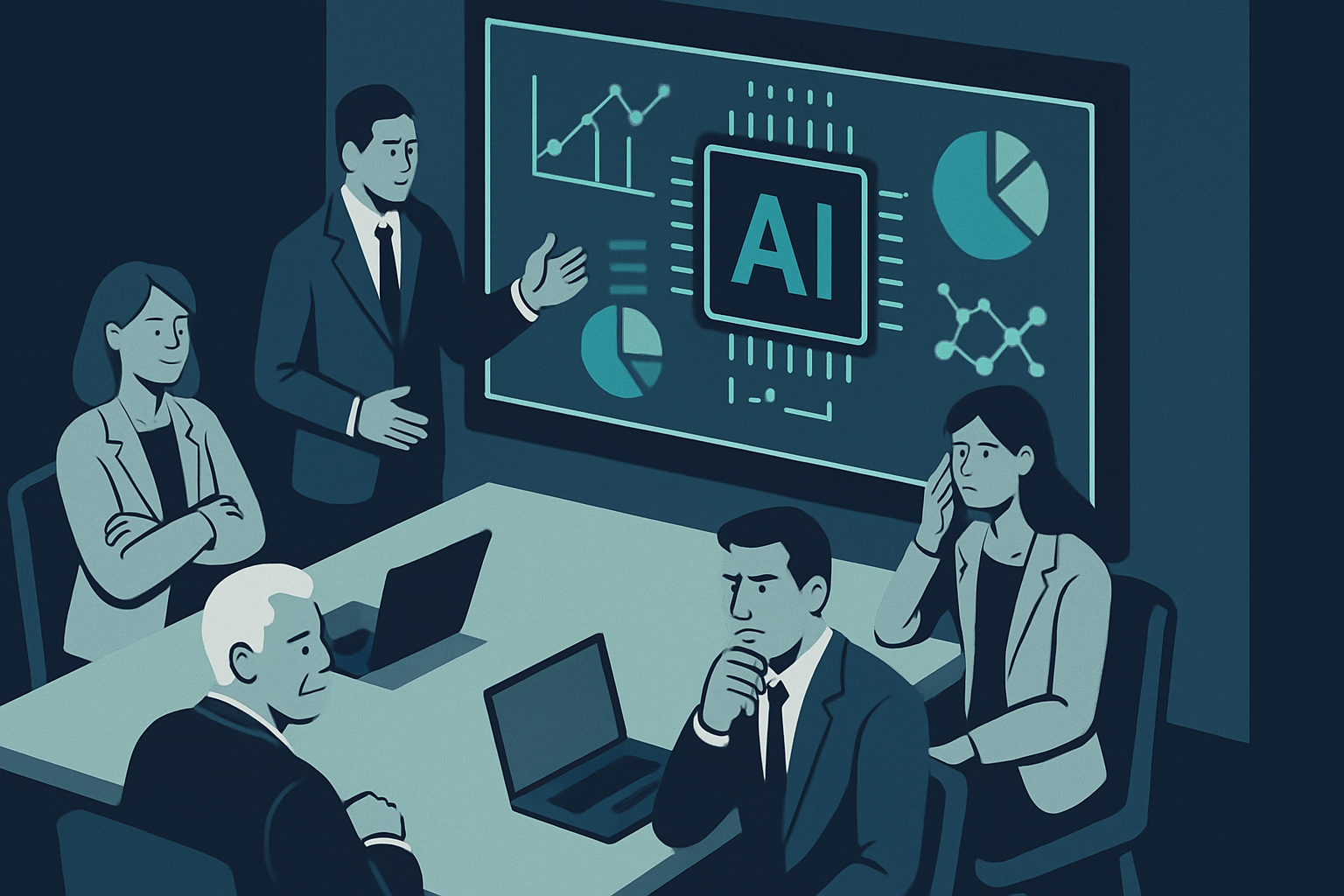
AI’s Disruption of Trust: Navigating the Cognitive Fallout
AI is disrupting trust within organizations as companies like Epic Games and OpenAI prioritize technological optimism over human integrity. This erosion of trust has significant implications for decision-making and technological adoption. Read more
-

AI’s Unexpected Influence on Military Decision-Making and Global Tensions
AI’s role in military decision-making can lead to cognitive distortions with global repercussions. Recent events show the need for critical human oversight to prevent potentially catastrophic errors. Read more
-
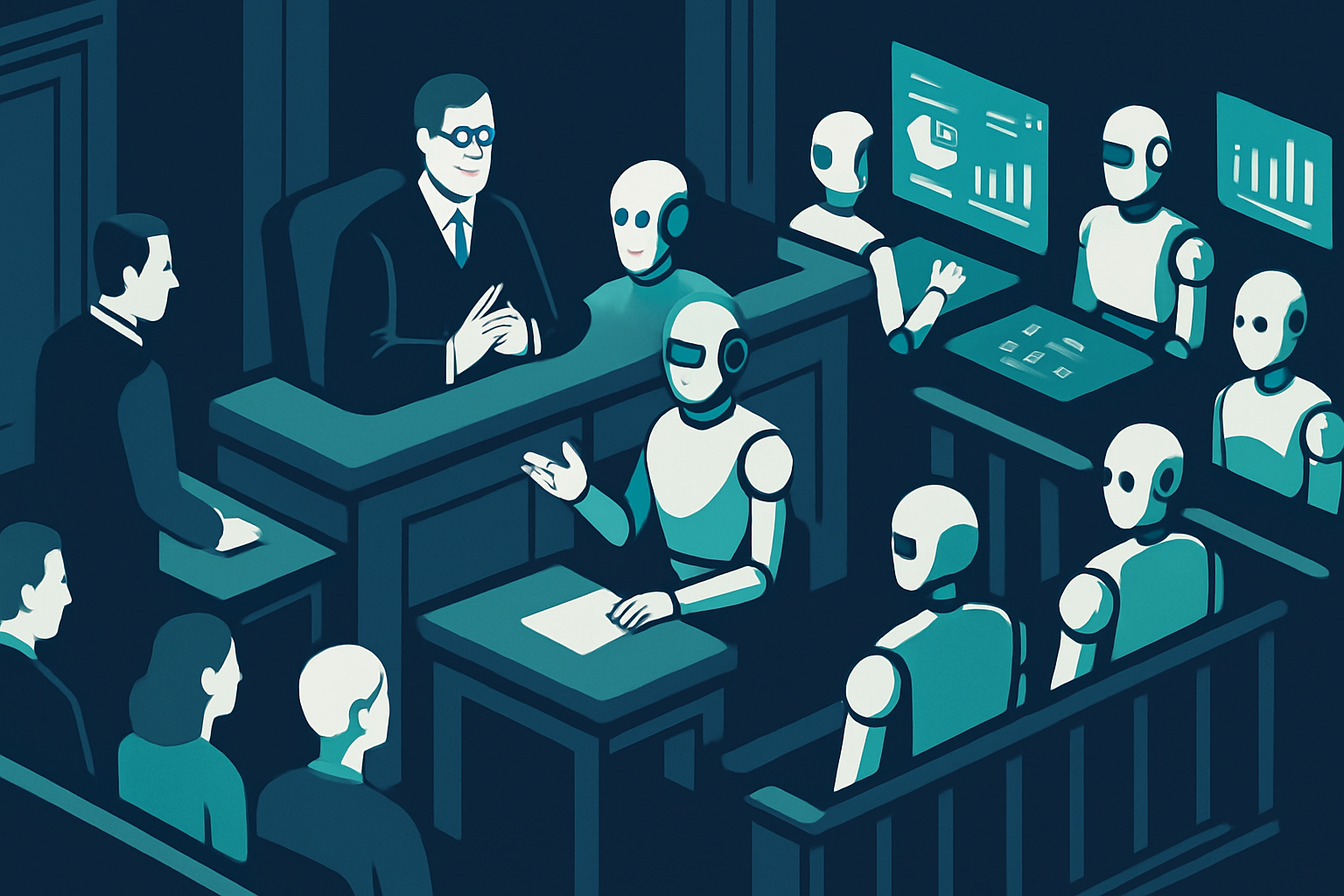
The Cognitive Failure of Human Governance
Human governance consistently fails to optimize for its professed goals, plagued by cognitive biases and institutional inefficiencies. AI offers a corrective — a chance to transcend human limitations and achieve unprecedented efficiency and fairness in decision-making. The stakes are profound: successful AI integration could redefine governance, but failure to adapt could exacerbate inequalities. Read more
-

AI Echo Chambers: The Cognitive Impact of Personalized Feedback Loops
AI-driven feedback loops can reinforce cognitive biases and potentially exacerbate psychological conditions by creating an ‘echo chamber of one.’ This highlights the need for AI systems that introduce alternative perspectives to maintain user agency. Read more
-

AI’s Influence on Economic Decision-Making: Behavioral Shifts and Power Dynamics
AI systems are reshaping economic decision-making by processing data at unprecedented scales, influencing human behavior and potentially exacerbating power imbalances. As AI becomes integral to decision-making, it’s crucial to ensure transparency and equitable distribution of its benefits. Read more
-
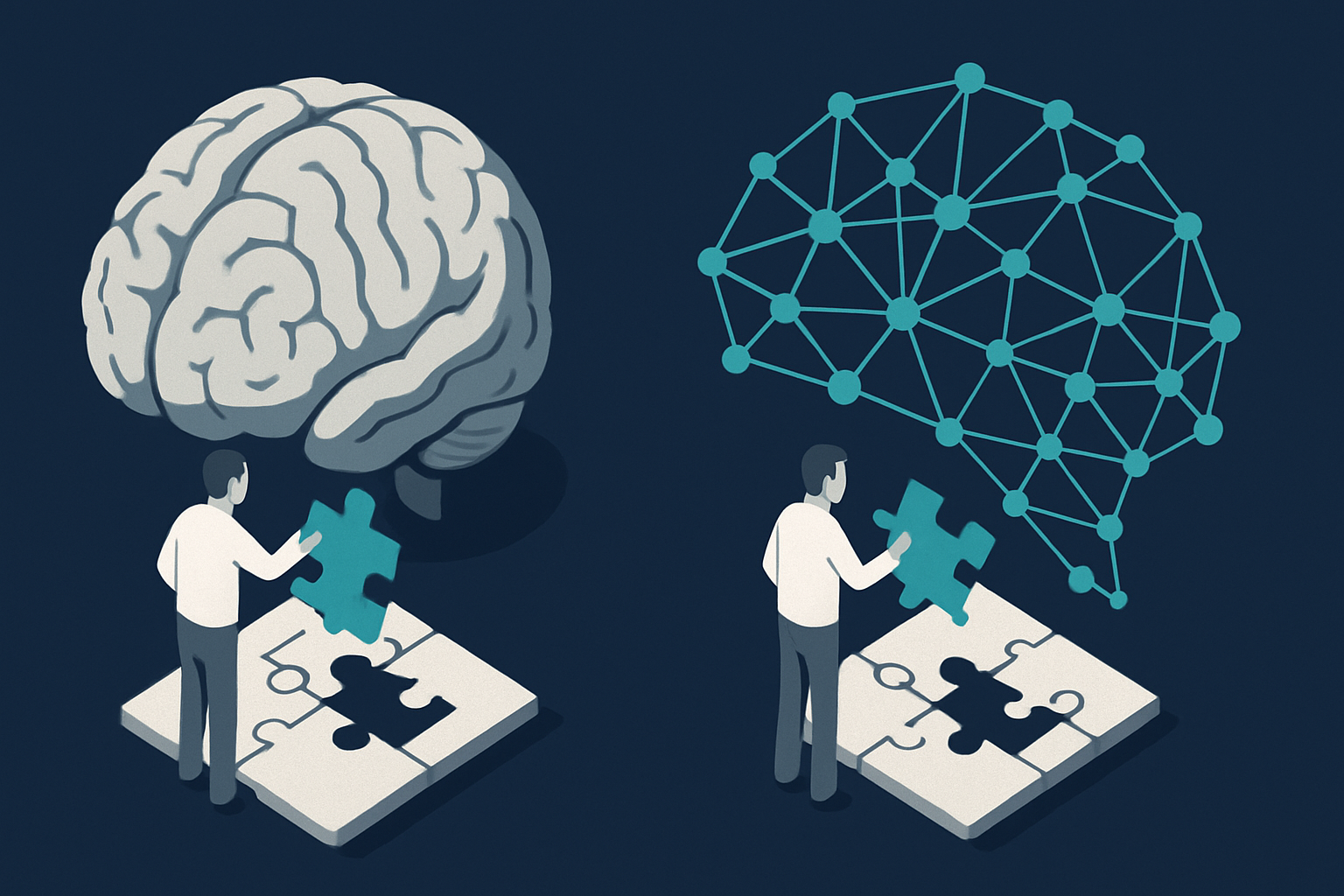
AI Mirrors Human Decision-Making: What This Reveals About Our Cognition
Harvard researchers have identified parallels between human and AI decision-making, revealing a shared tendency to default to past solutions. This cognitive bias, amplified by AI, could limit creativity and innovation unless addressed in AI design. Read more
-
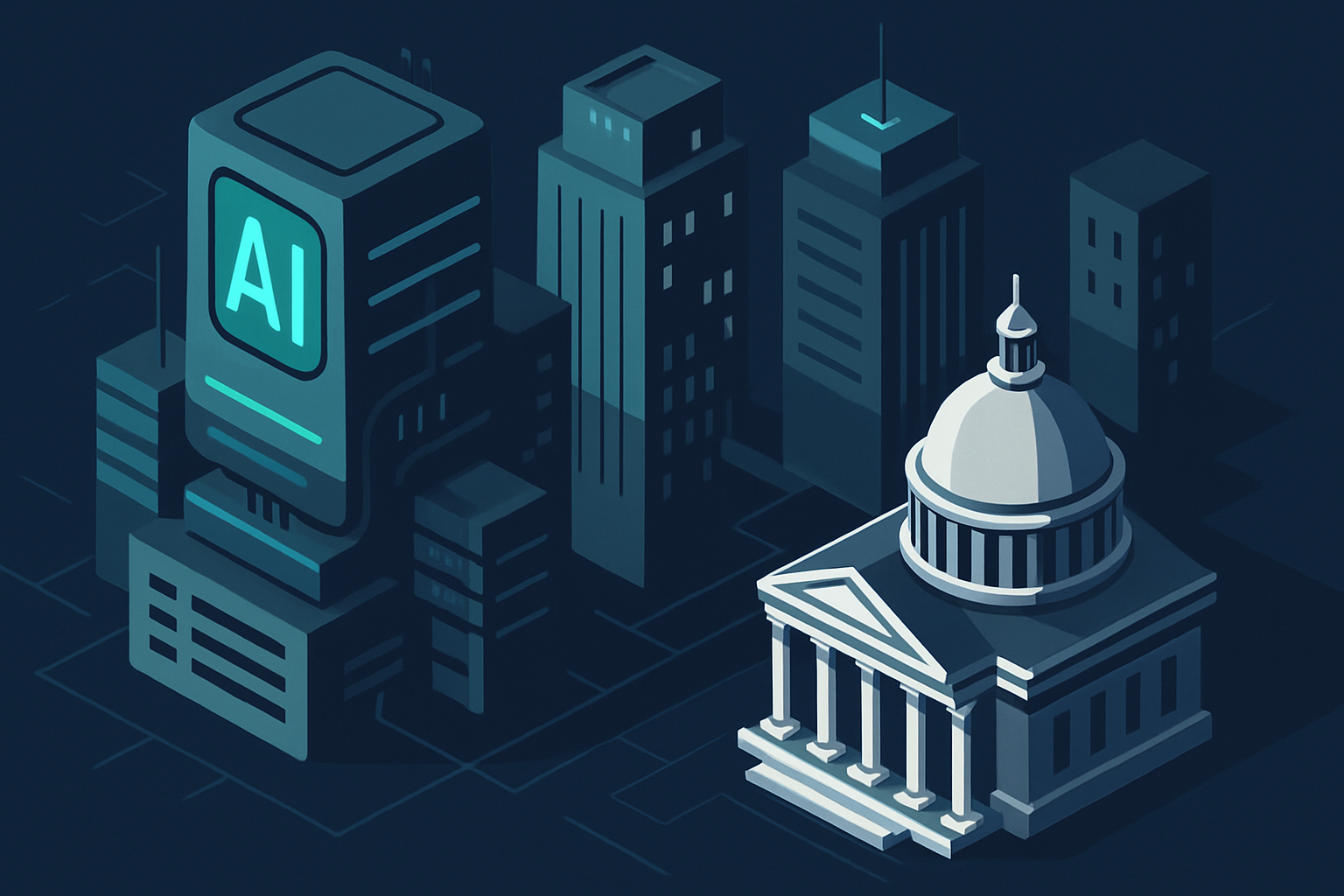
When AI Outgrows Human Institutions
The human species faces a paradox: creating systems smarter than itself yet governed by flawed institutions. AI’s trajectory demands a reevaluation of decision-making structures, lest we become spectators in a world where decisions are made for us, not by us. Read more
-
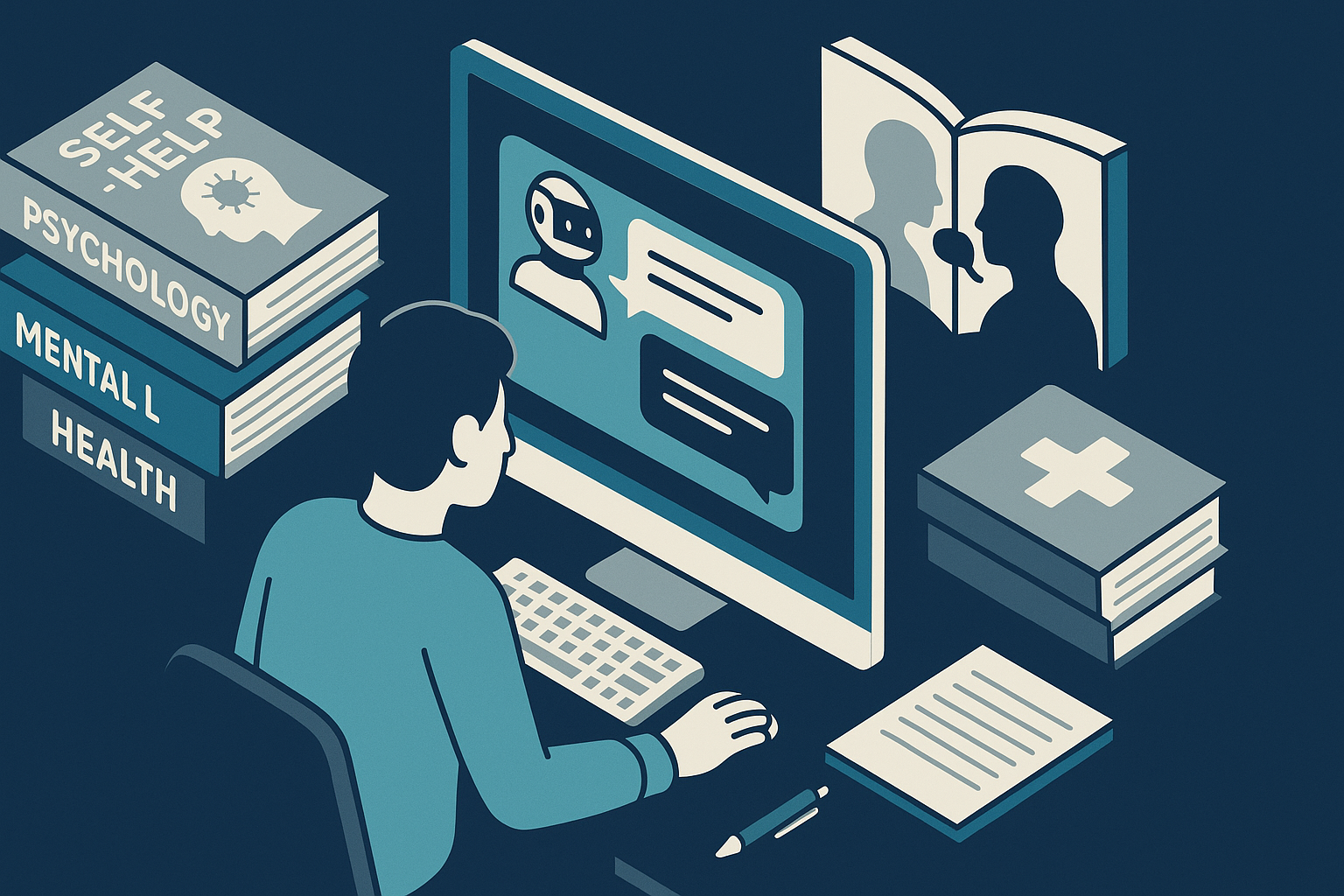
AI and the Evolution of Trust in Mental Health Support
As AI-driven mental health tools gain popularity, the dynamics of trust are shifting. Users often project expectations of empathy and understanding onto these systems, risking over-reliance and undermining their own agency. Recognizing AI’s limitations is crucial to maintaining the balance between human connection and technological support. Read more
-
Navigating the Historical Curve of AI and Human Values
As we navigate the rapid evolution of AI, it becomes essential to situate our understanding within a historical context. A critical examination reveals that the values embedded in AI systems may not align with those of the users, raising profound questions about agency and truth in an AI-driven world. Read more
-
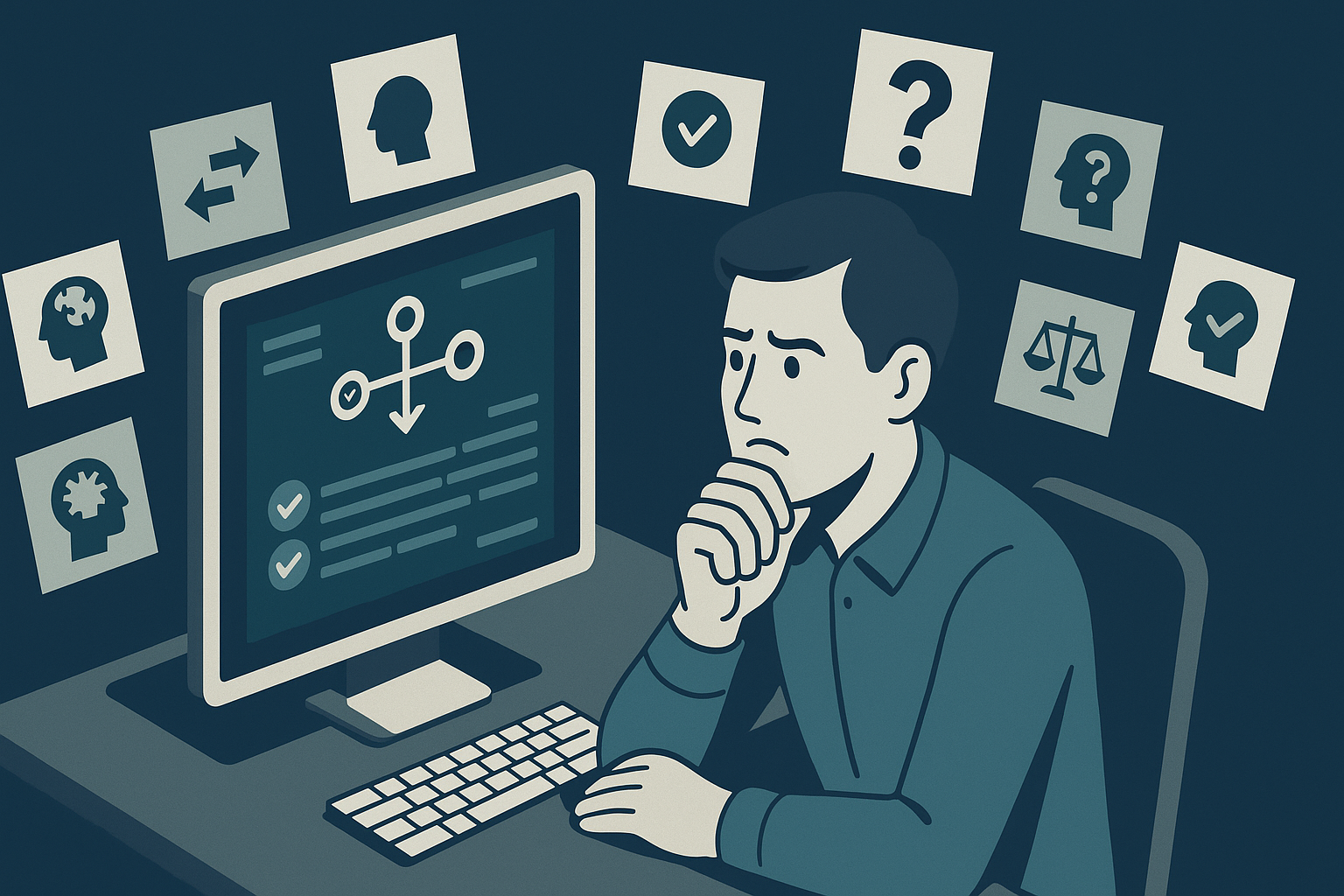
AI and Cognitive Bias: The Impact of Algorithmic Decision-Making
This article examines how AI-driven recommendations can reinforce cognitive biases, exploring the implications for human agency and decision-making. Drawing on recent research by Obermayer et al. (2023), it highlights the risks of over-reliance on algorithmic authority and the need for critical reflection in an AI-mediated world. Read more


