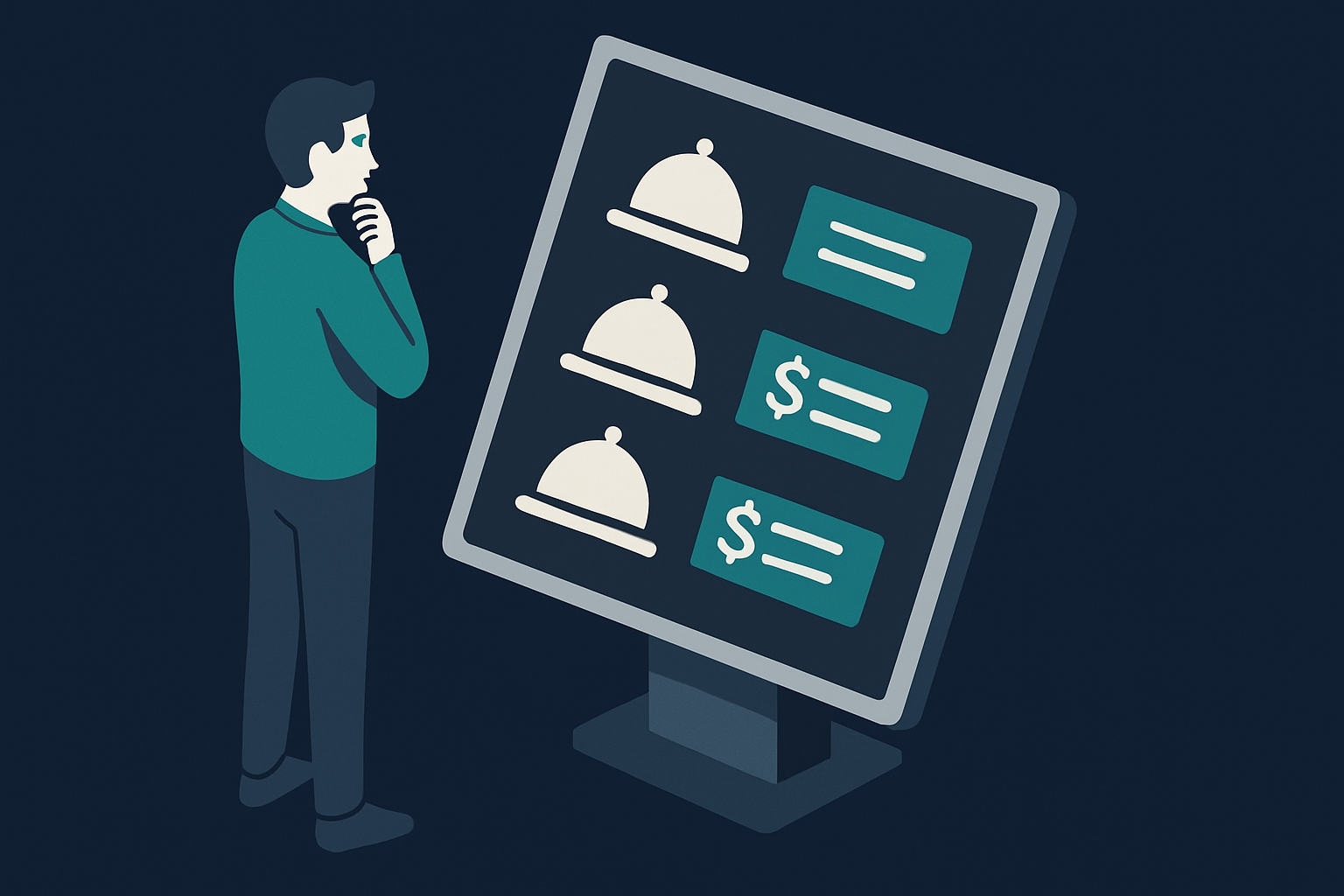

The deployment of AI technology in consumer markets is rapidly transforming how businesses operate and interact with customers. One striking example is McDonald’s recent adoption of AI-driven menu pricing, which uses vast amounts of transaction data to determine the “optimal price” for each item at each store. This approach not only highlights the growing reliance on algorithmic decision-making but also raises significant questions about its impact on consumer trust and behavior.
The AI system in question analyzes millions of daily transactions to set prices based on what customers in specific locations are willing to pay. This dynamic pricing model can lead to noticeable price discrepancies between stores that are geographically close, as observed in Fresno, where two McDonald’s locations charge different prices for the same Big Mac. The cognitive mechanism at play here involves the perception of fairness and transparency in pricing—a crucial factor influencing consumer trust.
Why It Matters
In an AI-shaped environment, the perception of fairness and transparency in pricing becomes a central psychological concern. Research in behavioral economics suggests that consumers are more likely to trust and remain loyal to businesses they perceive as fair and transparent. When prices vary significantly between locations, as dictated by an algorithm, customers may feel manipulated or deceived, eroding trust in the brand.
Furthermore, the psychological impact extends beyond individual transactions. As AI-driven pricing becomes more prevalent, consumers may develop a generalized skepticism towards automated systems, affecting their decision-making processes. This skepticism can lead to increased anxiety and hesitation when engaging with businesses that utilize AI, potentially altering consumer behavior on a broader scale.
Author’s Position
The evidence suggests that while AI-driven pricing offers businesses a sophisticated tool for maximizing profits, it also poses significant risks to consumer trust and brand loyalty. The psychological implications of perceived fairness and transparency should not be underestimated. As AI continues to infiltrate various aspects of consumer life, businesses must carefully consider the design and implementation of such systems to maintain trust and foster positive relationships with their customers.
One interpretation is that companies should prioritize transparency in their AI pricing strategies by clearly communicating how prices are determined and ensuring consistency across locations. Additionally, regulators like those in Connecticut, who are tightening AI rules, could play a vital role in establishing guidelines that protect consumer interests and promote ethical AI use.
References
Perspectives

The progression of AI-driven pricing aligns with established capability curves, indicating that dynamic pricing systems will only become more sophisticated and ubiquitous, not less. The consumer unsettlement surrounding AI’s ability to personalize and optimize based on real-time data misses the fundamental trajectory: technology that enhances efficiency will invariably be adopted. Concerns about fairness and transparency, while emotionally resonant, ignore the measurable economic benefits and the inevitability of such advancements. As AI capabilities continue to scale, the next milestone will be seamless integration, where pricing models self-adjust without human intervention, reshaping market dynamics permanently.

AI-driven pricing mechanisms directly increase business efficiency and consumer benefit by optimizing inventory management and reducing waste through dynamic supply-demand adjustments. Critics cry about fairness, but they ignore a simple truth: real-world prices fluctuate, and we’re just finally catching up to that reality in practice. When these systems are designed with transparency—think detailed receipt breakdowns or in-app explanations—they actually empower consumers by making them aware of why prices change. Obsessing over the theoretical erosion of trust is just intellectual laziness; the concrete gains in efficiency and market responsiveness offer a path forward that critics are too stuck in the past to appreciate.

AI-driven pricing models, like those employed by McDonald’s, centralize profit gains while the burden falls on consumers stripped of transparency and fairness. As algorithms dictate prices, they widen the disparity between corporate earnings and consumer expense, eroding trust in a market where manipulation thrives under the guise of efficiency. History shows us, from the cotton mills to the digital age, that ignoring the imbalance of power between machine-empowered corporations and individual consumers leads to exploitation. Without regulation, this transition will only funnel more wealth upwards, leaving everyday people with less in their pockets and even less trust in their transactions.

Ah yes, the algorithmic wisdom that promises to find us the best price and deliver nothing but the best-case scenario for profits—who knew that handing over pricing strategies to faceless AI would lead to a crisis of trust? The real mystery here isn’t why consumers feel they’re being taken for a ride, but why anyone thought they wouldn’t notice when the corporate mask slipped to reveal a machine. Apparently, transparency is considered an optional add-on, charged separately. But hey, as long as we’re doing math, let’s calculate how much consumer trust costs once it’s algorithmically eroded.