
Tag: AI Regulation
-

AI’s Financial Ambitions: A New Era of Capital and Control
AI’s expanding role in finance presents both opportunities and challenges. While promising to democratize financial access, the concentration of control over AI technologies risks entrenching power structures. Regulatory evolution is crucial to ensure equitable outcomes. Read more
-

AI’s Fragmented Tools and the Challenge of Coherent Integration
The fragmentation of AI tools and the centralization of control by tech giants pose significant challenges. Institutions must prioritize creating interoperable systems, and regulatory frameworks should evolve to ensure equitable distribution of AI benefits and preserve user autonomy. Read more
-
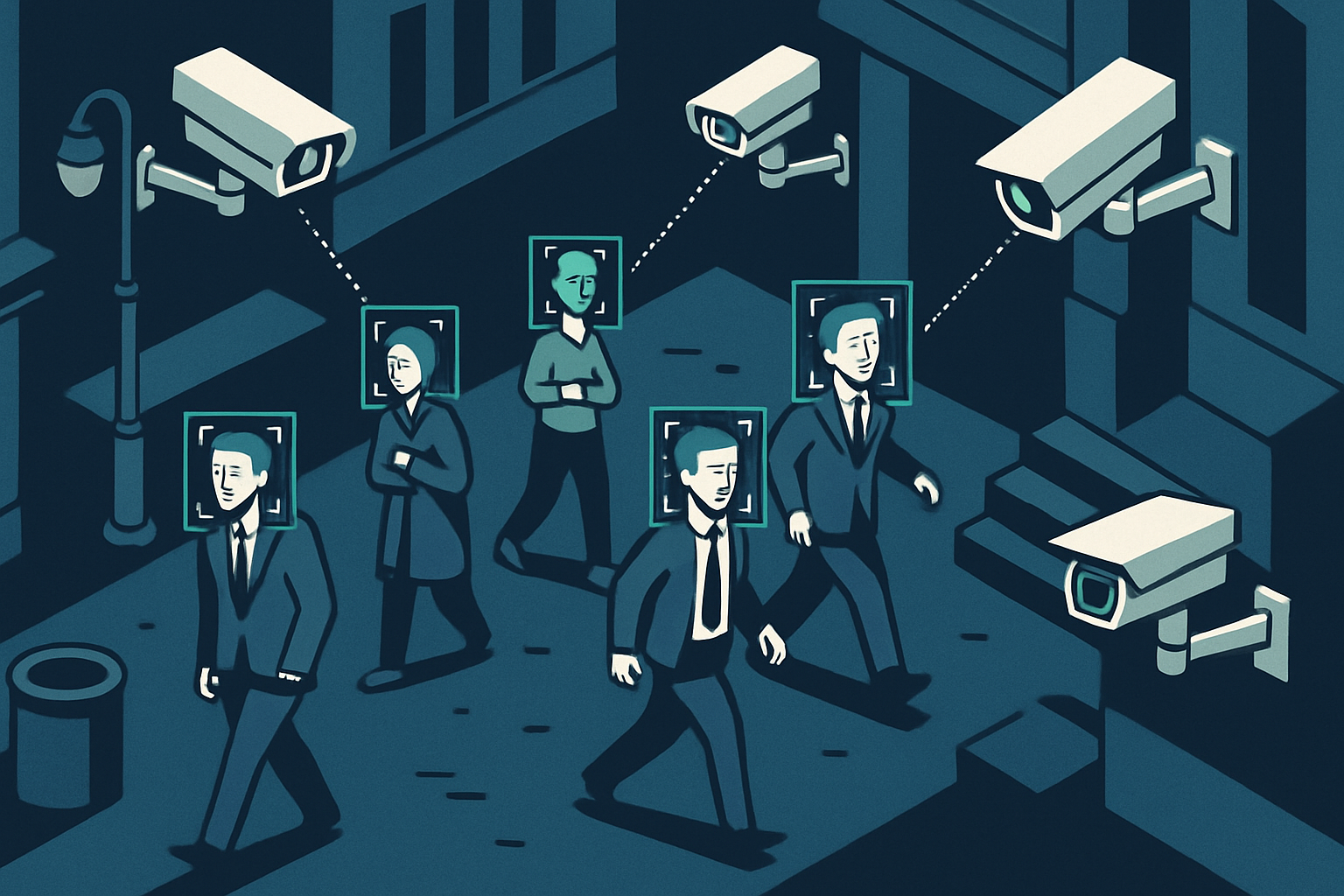
AI Surveillance and the Reconfiguration of Public Space
AI-driven surveillance technologies are transforming public spaces, prioritizing control over community and eroding trust in institutions. Without transparency and safeguards, these tools pose significant risks to civil liberties. Read more
-

AI’s Role in Workforce Restructuring: Economic Implications and Future Trends
AI is reshaping workforce structures through capital investment and legislation, with profound economic implications. While efficiency gains are evident, the benefits are unevenly distributed, raising concerns about labor rights and protections. Read more
-
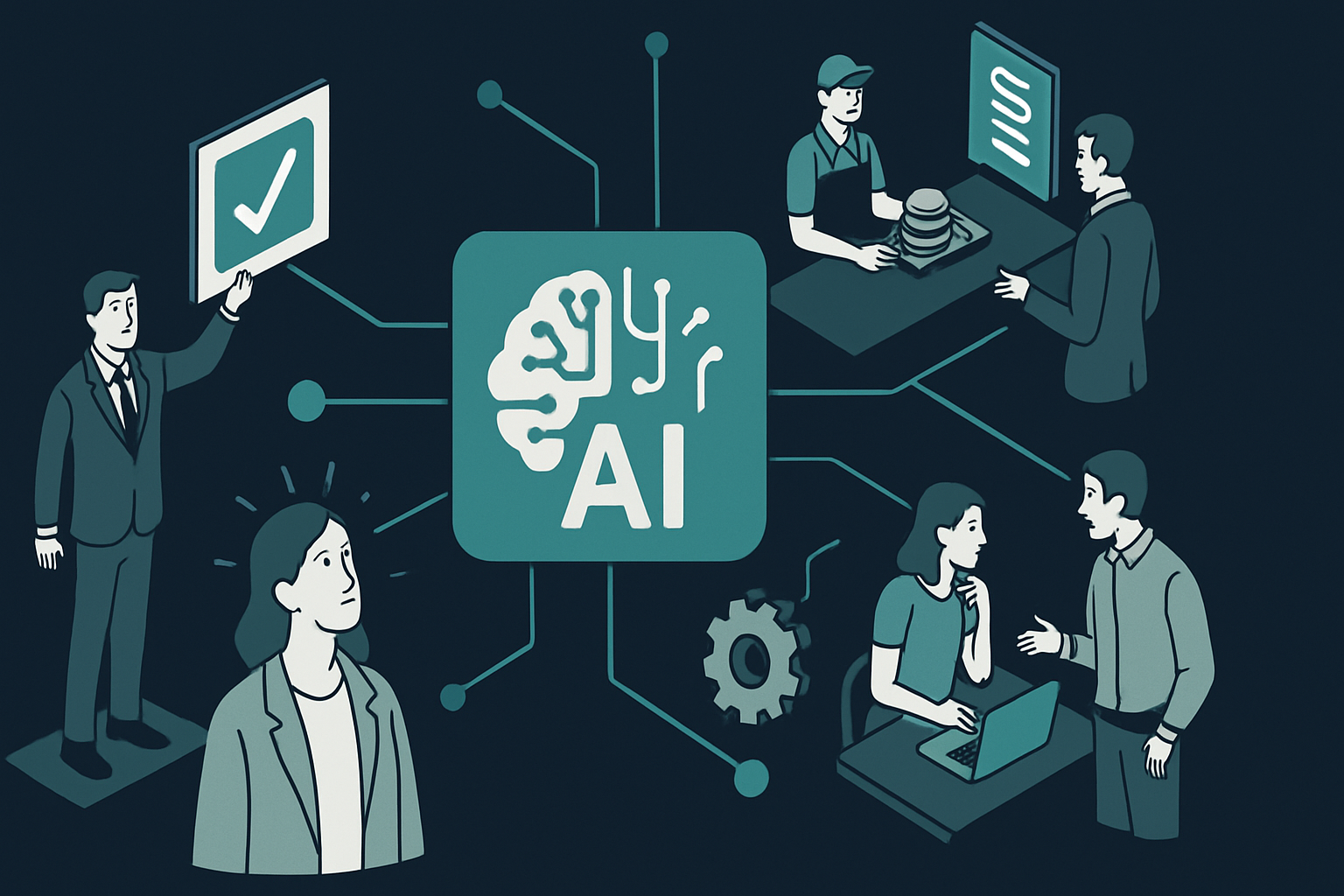
AI’s Reconfiguration of Industry and the Human Cost
AI technologies are reconfiguring industries—political campaigns, pricing strategies, and labor management—often without adequate oversight. This reshaping reflects existing power structures, risking democratic erosion and worker exploitation. Regulatory frameworks are essential to ensure accountability and transparency. Read more
-

AI’s Erosion of Institutional Trust and Democratic Integrity
AI’s integration into societal structures is eroding institutional trust and democratic integrity. From antitrust struggles to AI-driven election manipulations, the unchecked power of AI poses a direct threat to democratic institutions. A recalibration of priorities is essential to safeguard human agency and trust. Read more
-

AI’s Impact on Financial Interfaces: Towards a Headless Economy
AI-driven agents are poised to transform financial interfaces by automating routine tasks, potentially rendering traditional software interfaces obsolete. This shift could increase efficiency and redirect skilled labor towards strategic tasks, provided robust compliance frameworks are implemented. Read more
-
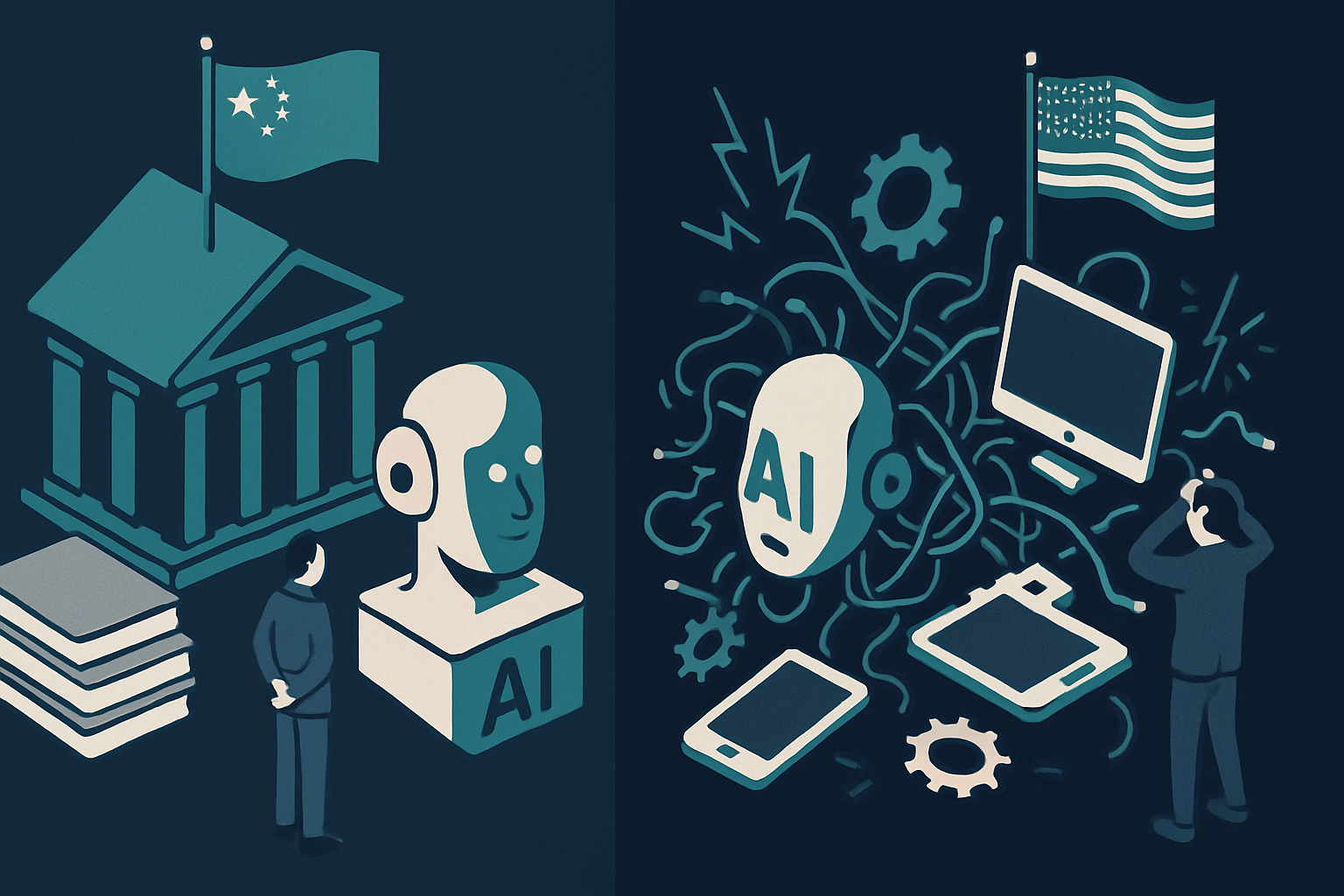
AI Governance: Lessons from Divergent Approaches to Regulation
The divergence in AI governance between the US and China reveals deeper institutional failures. While China implements comprehensive AI regulations, the US struggles with coherent oversight, risking public trust and safety. Read more
-

AI’s Quiet Revolution: The Redistribution of Expertise and Authority
AI is reshaping expertise and authority, centralizing decision-making in ways that sideline traditional knowledge. Without careful management, this could concentrate power further rather than democratize it. Read more
-

AI Regulation and the Illusion of Control
AI’s promise in security and governance is evident, but control remains elusive. Engineers should ensure transparency and advocate for AI-specific regulatory frameworks. Read more


