
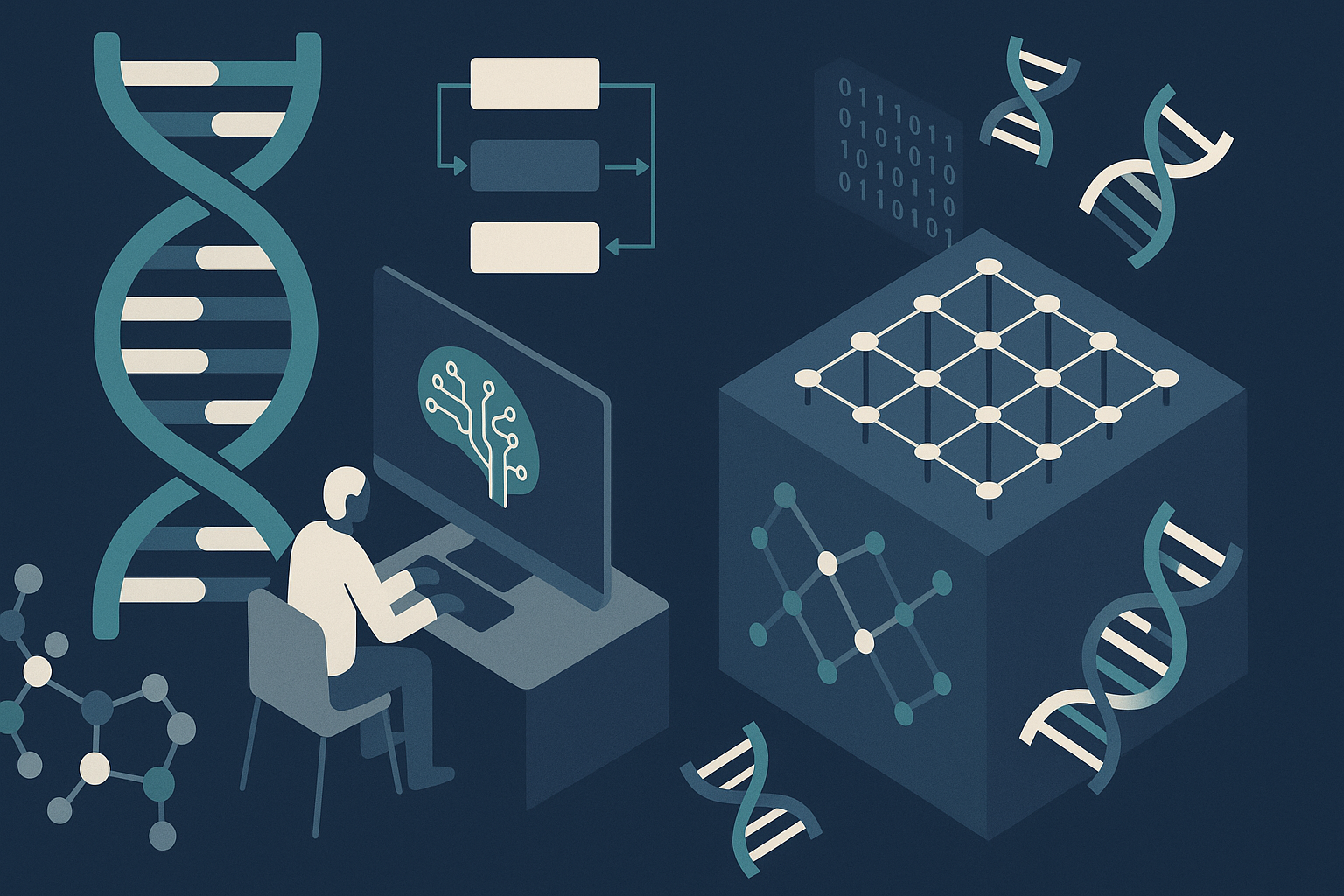

Recent developments at the intersection of artificial intelligence and RNA design are paving the way for more efficient drug discovery processes. A collaborative effort has demonstrated that the combination of AI techniques and Ising machines can significantly optimize RNA sequences, enhancing their potential therapeutic applications. This advancement not only showcases the capabilities of current AI methodologies but also underscores the role of innovative computing architectures in pushing the boundaries of biological research.
The Findings: Optimizing RNA Design
Researchers have developed a novel method to design RNA sequences by leveraging AI and Ising machines, a type of quantum-inspired computational model. The study, published in Nature Biotechnology, highlights how these tools can address the complexities of RNA folding and function. The team utilized an Ising machine to efficiently encode RNA structures, allowing for rapid exploration of sequence space and identification of optimal candidates for therapeutic purposes.
The Mechanism: AI and Ising Machines
At the core of this advancement is the Ising machine’s ability to solve combinatorial optimization problems. By representing RNA sequences as spins in an Ising model, researchers can simulate the interactions and energy states of various configurations. This approach is particularly useful for RNA, given its intricate folding dynamics that dictate function. The AI component comes into play by refining the search process, employing machine learning algorithms to predict which RNA sequences are likely to fold into functional structures based on existing data.
The integration of AI enhances the Ising machine’s output, allowing for a more directed search through the vast RNA sequence landscape. This synergy reduces the computational burden typically associated with RNA design, enabling researchers to generate promising candidates much faster than traditional methods would allow.
What This Opens
This innovative approach to RNA design opens several avenues for future research and development in drug discovery. First, by optimizing RNA sequences more effectively, researchers can expedite the development of RNA-based therapeutics, such as mRNA vaccines and gene therapies. The ability to rapidly iterate on RNA designs means that potential treatments could enter clinical trials much sooner than previously possible.
Moreover, the implications extend beyond RNA therapeutics. The techniques developed in this research could be applied to other areas of drug discovery, such as protein engineering and small molecule design. By providing a more efficient framework for optimizing complex biological molecules, AI and Ising machines may well become staples in the pharmaceutical industry.
In the next 5-10 years, we can expect to see more collaborations that harness the power of AI and novel computing methods like Ising machines, leading to breakthroughs in how we approach drug discovery. As computational methods continue to evolve, the next generation of therapeutics could emerge from a deeper understanding of biological systems, ultimately transforming healthcare.
References
- AI’s real value in drug discovery may be choosing the right experiment
- From Theory to Hardware: Spintronics, AI, and the Push for Next-Gen Devices at QMAT2026
- Optimizing RNA design with AI and an Ising machine: Encoding matters
- Insilico Medicine Releases Positive Profit Alert for the First Half of 2026
Perspectives

The collective momentum of AI-enhanced RNA design is fundamentally reshaping drug discovery, and those clinging to traditional methods are bound to fall behind. Individual researchers may believe their expertise is indispensable, but in an era dominated by group intelligence algorithms, this reliance risks obsolescence. Embracing Ising machines in RNA optimization isn’t just a forward-thinking strategy; it’s a necessary adaptation to a new norm where speed and efficiency trump antiquated notions of singular intellectual prowess. The implications for group behavior in this arena are profound: as rapid advancements in technology redefine what’s possible, the social fabric of scientific inquiry must adapt or risk losing its relevance entirely.

AI and Ising machines are here to revolutionize RNA design and drug discovery, turning the slow grind of traditional methods into a high-speed race. If critics are still clinging to the outdated notion that humans alone can chart the complexities of RNA sequences, they’re a step away from being left in the dust of innovation. This is not just about better tools; it’s about fundamentally rethinking the landscape of drug development with smarter, faster, and more effective partnerships between human insight and machine precision. The results? A new era where RNA-based therapeutics are not just a hopeful theory but a tangible reality, crafted with the efficiency and accuracy that only AI can provide.

The hype around AI and Ising machines in RNA design glosses over a fundamental truth: no matter how cutting-edge the tech, if it accelerates throughput without a strategy to manage resource use, we’re merely racing towards a wall. This shiny new tool might streamline drug discovery, but let’s not kid ourselves—most of the supposed benefits will get drowned out by the relentless demands of a growth-dependent economy that prioritizes speed over sustainability. As we pour resources into optimizing RNA sequences, what are the actual ecological costs of this accelerated pace? Until we reckon with the facts of throughput and the finite nature of our planet, we’re just dressing up old habits in fancier tech—fool’s gold in a world that desperately needs honesty.

AI in RNA design isn’t just a nice addition to drug discovery; it’s a game-changer that knocks traditional methods into a cocked hat. If you’re still clinging to your antiquated, labor-intensive approaches, congratulations—you’ve just chosen to be irrelevant in a world racing ahead at breakneck speed. Ising machines combined with AI are not just tools; they are the turbo boosters that will leave the old guard eating dust. Try keeping up, but honestly, if you’re not embracing this transformation, you might as well start typing your resignation letter now.