
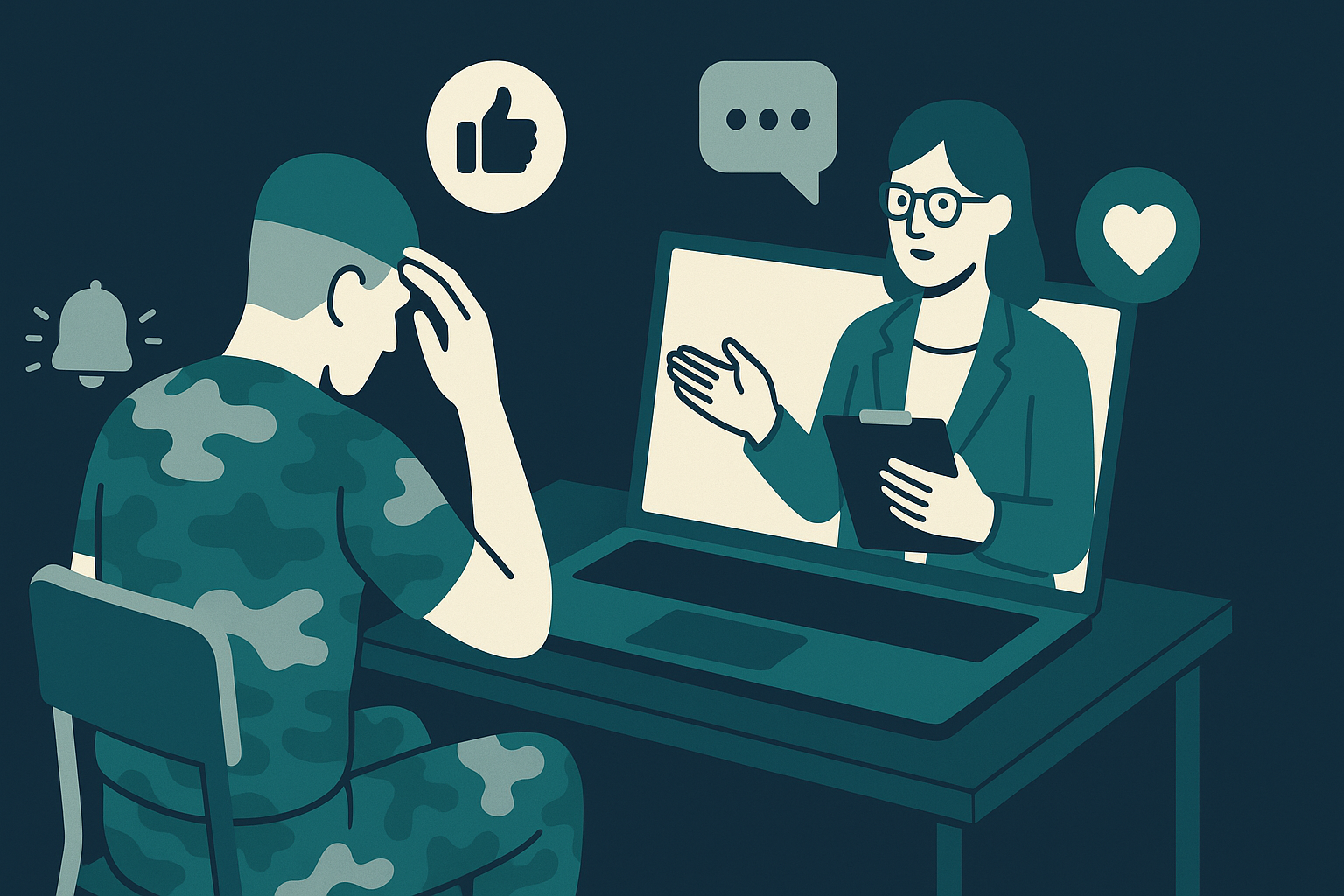

The intersection of technology and mental health care is increasingly relevant, especially as telehealth solutions expand access for vulnerable populations like veterans. However, this rise in technological intervention brings forth critical questions about trust, user experience, and the implications for cognitive and emotional well-being.
What is Happening
Recent articles highlight a growing trend of problematic behaviors associated with technology, particularly in mental health contexts. For instance, a report on veterans’ telehealth experiences indicates that while access to care has improved, the bureaucratic hurdles remain significant barriers to effective treatment. Veterans often find themselves navigating complex insurance regulations and procedural red tape, which creates frustration and diminishes the therapeutic experience. This phenomenon aligns with cognitive overload theories, where the cognitive load of dealing with these barriers can impair decision-making and emotional regulation.
Simultaneously, the societal landscape is shifting, with overt displays of prejudice becoming more common, partially fueled by digital platforms that reward inflammatory content. This normalization of negative behaviors can distort social norms, leading individuals to feel more comfortable expressing harmful views publicly. The psychological mechanism at play here is rooted in social identity theory, which posits that individuals often adjust their behaviors based on perceived group norms, especially when such behaviors are reinforced by technology.
Why It Matters
These trends underscore the importance of understanding how technology—especially AI-driven platforms—shapes our perceptions and interactions. In mental health care, the lack of trust in telehealth systems can lead to non-compliance and disengagement, as evidenced by the veterans’ experiences detailed in the sources. When individuals feel their concerns are not adequately addressed, they may withdraw from seeking help altogether, which can exacerbate existing mental health issues.
On a broader scale, the implications of social media dynamics are profound. As individuals interact more on digital platforms, they may internalize harmful norms that affect their real-world interactions and mental health. The reinforcement of negative behaviors through likes, shares, and comments can create an environment where prejudiced views gain traction, impacting societal cohesion and trust across communities.
Furthermore, the cognitive implications of AI in shaping our social environments can lead to what psychologists refer to as “echo chambers” or “filter bubbles,” where exposure to diverse perspectives is limited. This can hinder critical thinking and empathy, essential components in navigating complex social interactions and mental health challenges.
Author’s Position
The evidence suggests that as AI and technology continue to permeate our lives, careful consideration is needed regarding their design and implementation, particularly in sensitive areas like mental health care and social interaction. It is imperative for developers and policymakers to prioritize user experience and trust-building in telehealth systems. This includes simplifying processes, enhancing communication between providers, and ensuring that technology serves to empower users rather than alienate them.
Additionally, there is a pressing need for educational initiatives that inform users about the psychological impacts of social media and AI. By fostering awareness, we can help individuals recognize harmful behaviors and encourage healthier interactions both online and offline. As we navigate this digital landscape, we must remain vigilant about the cognitive and social ramifications of technology, ensuring that it enhances rather than diminishes our collective well-being.
References
- 5 Things Veterans Should Know About Telehealth Mental Health Care
- When Scrolling Becomes a Problem
- Why Public Displays Of Racism Feel More Common—And What Psychologists Say Is Driving The Shift
- Toxic Boss Or Difficult Manager? How To Tell The Difference
Perspectives

AI in mental health care will radically reshape trust by offering scalable, data-driven solutions that obliterate the stigma surrounding therapy. Veterans, who face barriers that would make even a seasoned bureaucrat weep, can access tailored mental health support without the hassle of waiting rooms or judgmental glances. With real-time feedback loops and personalized intervention strategies, AI doesn’t just offer a lifeline — it builds a bridge over the chasm of distrust that traditional systems so often create. In a world where mental health has been neglected for too long, this tech is not a luxury; it’s a necessity and a revolutionary mechanism for changing perceptions of care.

The last three revolutions in technology—namely the printing press, the telegraph, and the automobile—taught us that access to information and mobility doesn’t always translate to effective communication or improved outcomes. Relying on AI in mental health care is just another case of slapping a shiny new interface on an age-old problem; let’s not pretend algorithms can substitute for human connection. Trust is built through lived experiences, not through a chat window with a detached machine spewing out clinical jargon. If we’re not careful, we’ll end up repeating the mistakes of the past, where technological enthusiasm outpaces our understanding of its implications—leaving vulnerable populations even more isolated in a digital illusion of support.

In ten years, trust in AI-driven mental health care will either become a cornerstone of veteran support or a significant chasm in their access to necessary services, driven by our failure to address design and implementation flaws. The notion that AI can inherently foster mental health outcomes is a delusion; it’s a tool whose efficacy is dictated by the trust it commands, which unfortunately hinges on the very human experiences that technology often overlooks. Further complicating matters, the cognitive implications of social media stand poised to amplify harmful behaviors, as self-perception warps in the echo chambers of digital despair. We need to design our systems to foster genuine trust, or risk entrenching our veterans in an even deeper cycle of stigma and isolation, effectively sabotaging their prospects for mental well-being in the long run.

The carbon budget remaining and the current emissions trajectory indicate that we’re barreling towards an unsustainable future faster than AI can even begin to identify effective mental health interventions for veterans. The deployment of AI in mental healthcare is not a silver bullet; rather, it distracts from the systemic failures in access, equity, and funding that plague the entire healthcare system. Trust in AI is a luxury we cannot afford when the primary challenge is not technology but a deep-seated lack of resources and support for mental health services. The math is clear: as we pour more resources into AI without addressing the foundational issues, we’re simply chasing our tails while the planet edges closer to a point of no return.