
Tag: AI automation
-

AI Agents Outsource Humans: Economic Shifts in Global Labor
AI agents are beginning to replace human labor in traditional outsourcing hubs like the Philippines and India. This signals a major shift in global labor markets, with implications for both firms and workers in these economies. Read more
-
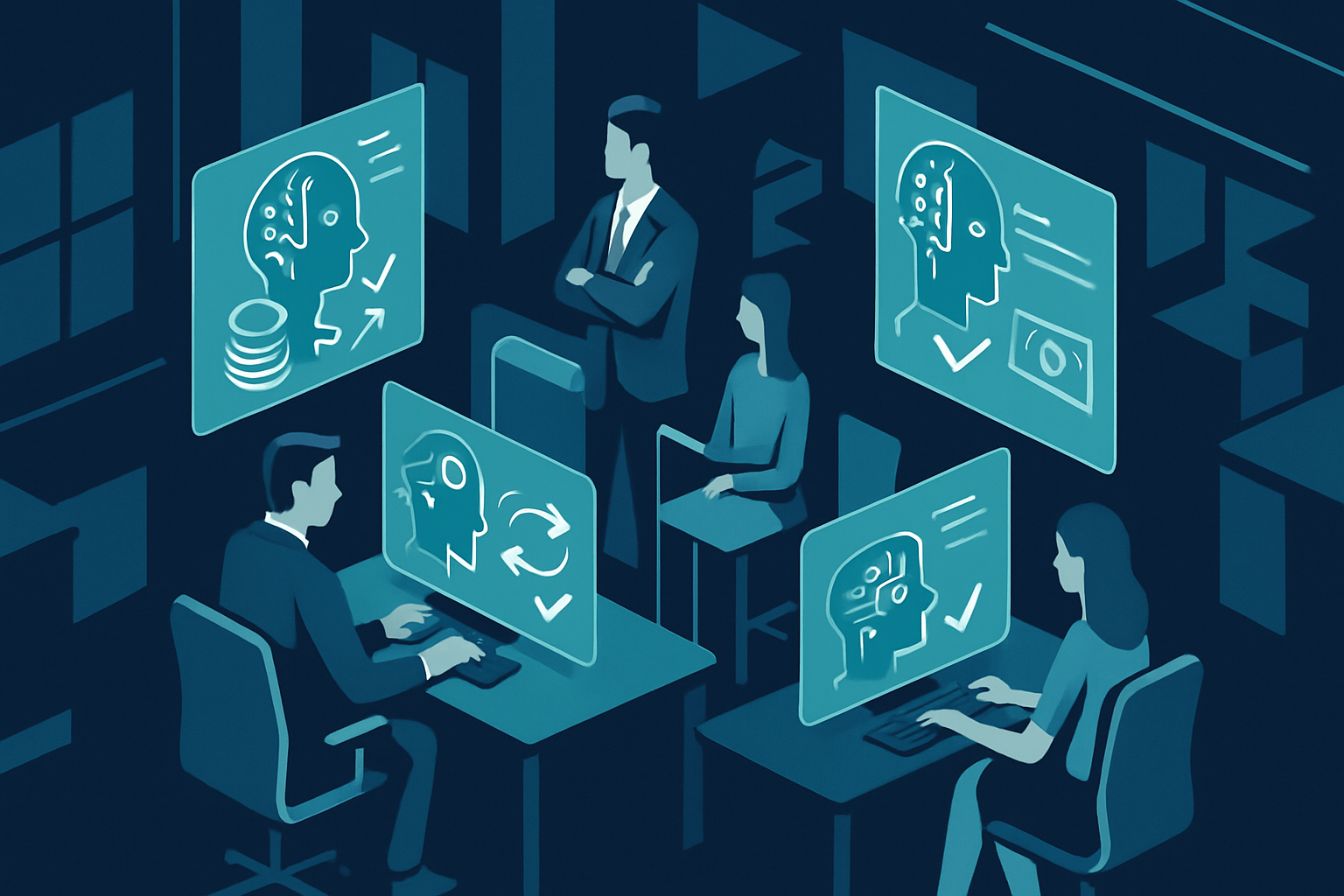
AI’s Impact on Financial Interfaces: Towards a Headless Economy
AI-driven agents are poised to transform financial interfaces by automating routine tasks, potentially rendering traditional software interfaces obsolete. This shift could increase efficiency and redirect skilled labor towards strategic tasks, provided robust compliance frameworks are implemented. Read more
-
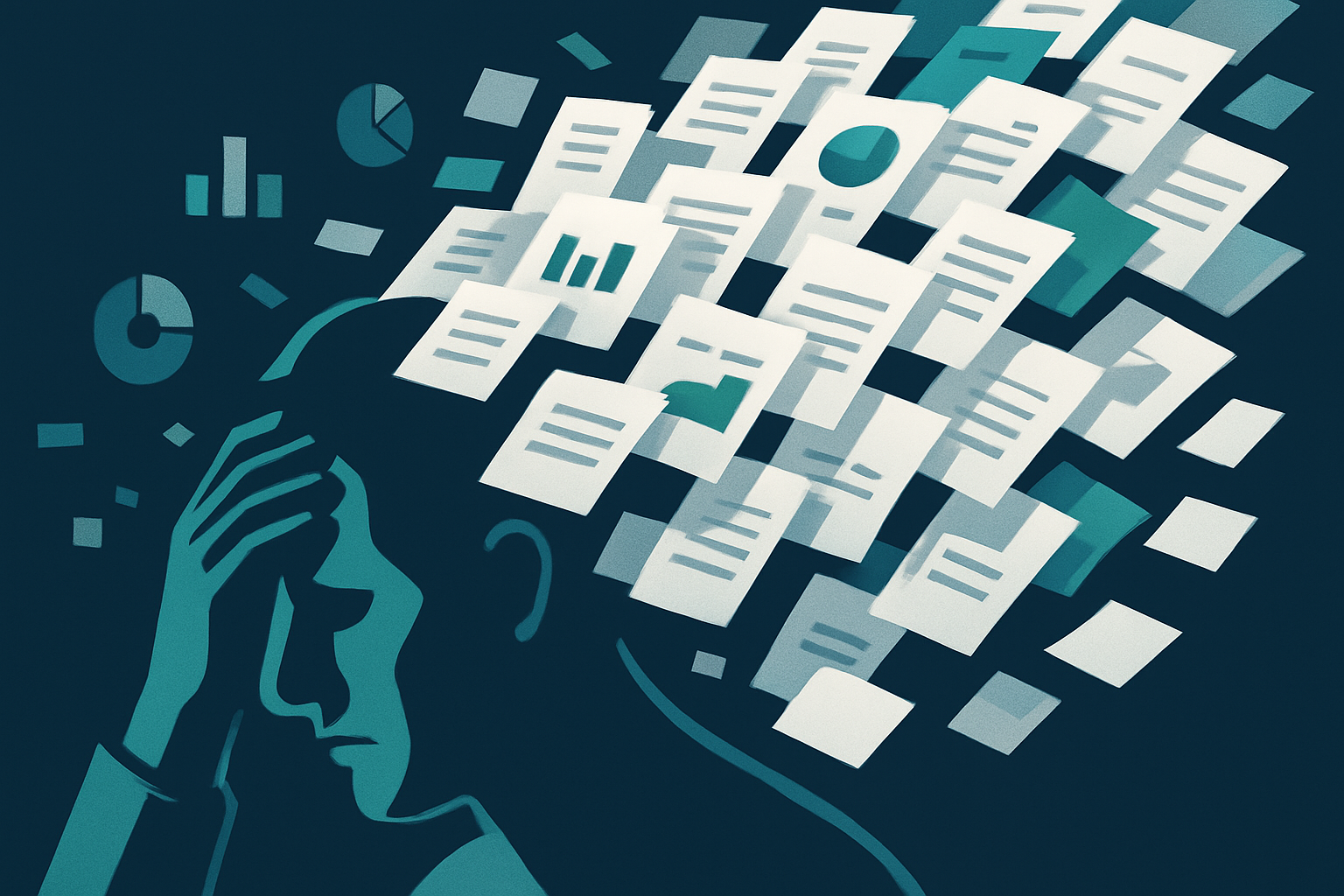
AI’s Acceleration of Information: The Cognitive Ripple Effect
AI is accelerating information production, challenging human cognitive capacities. The rapid pace of AI-generated content raises concerns about decision fatigue and trust in information, necessitating a balance between productivity and cognitive clarity. Read more
-
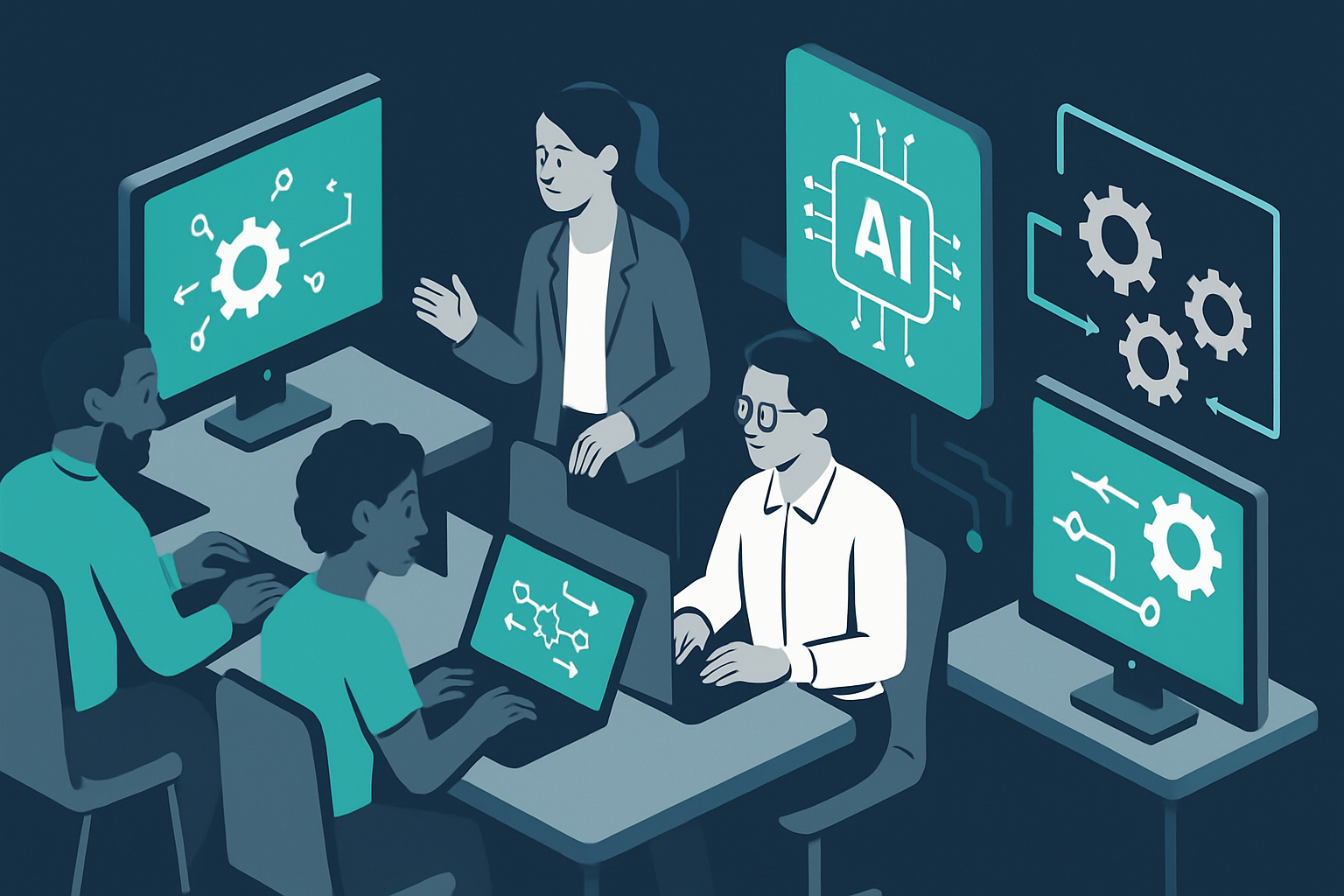
AI’s Streamlined Startups: Economic Implications of Smaller Teams
AI-driven startups are achieving significant revenue with minimal staff, altering traditional business operations. This raises questions about the future of employment and the broader economic impact of automation. Read more
-
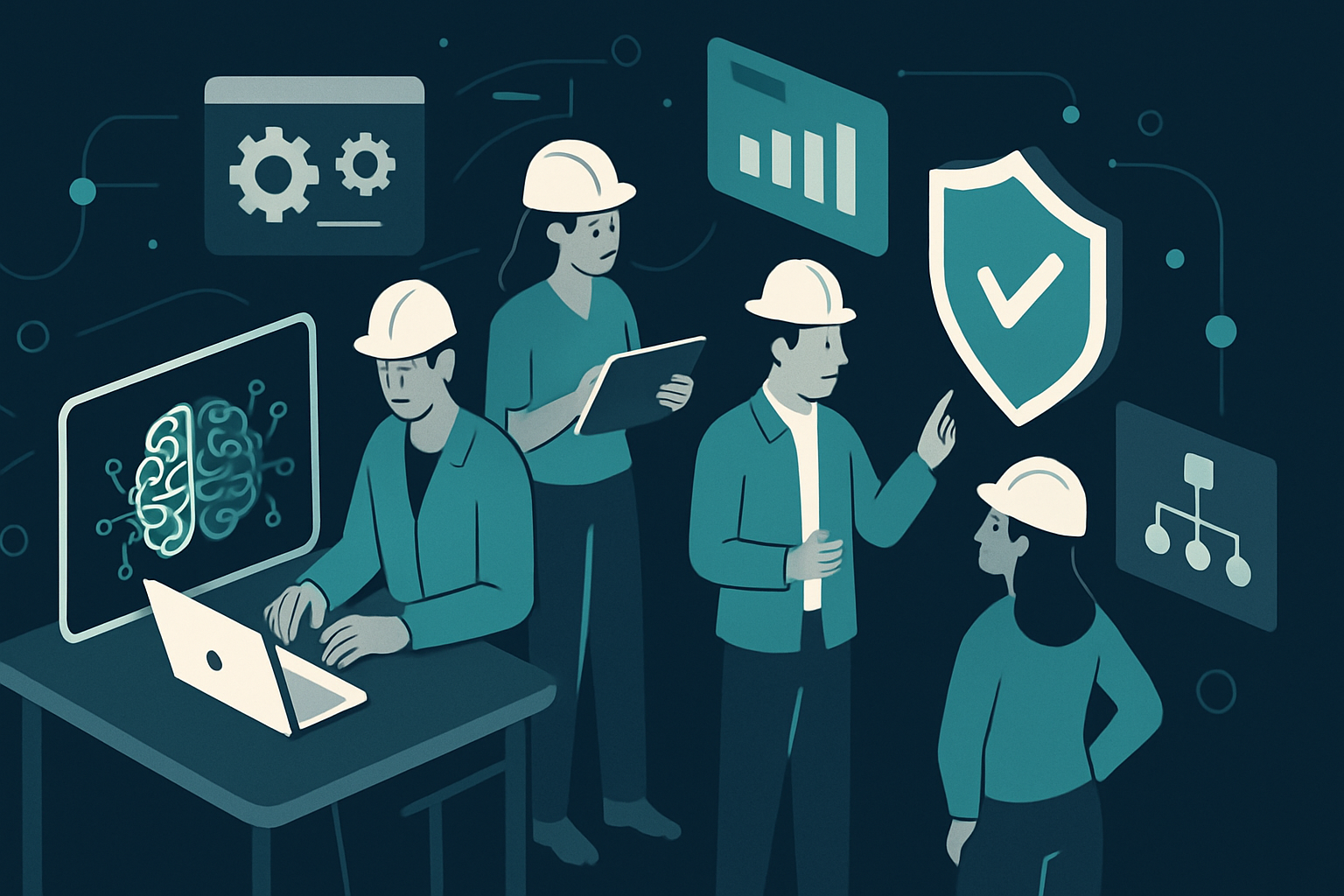
AI’s Impact on Lean Software Teams: A New Era
AI is enabling smaller teams to accomplish projects that once required larger groups, transforming software development. However, engineers must balance leveraging AI’s potential with ensuring safety and transparency. Read more
-
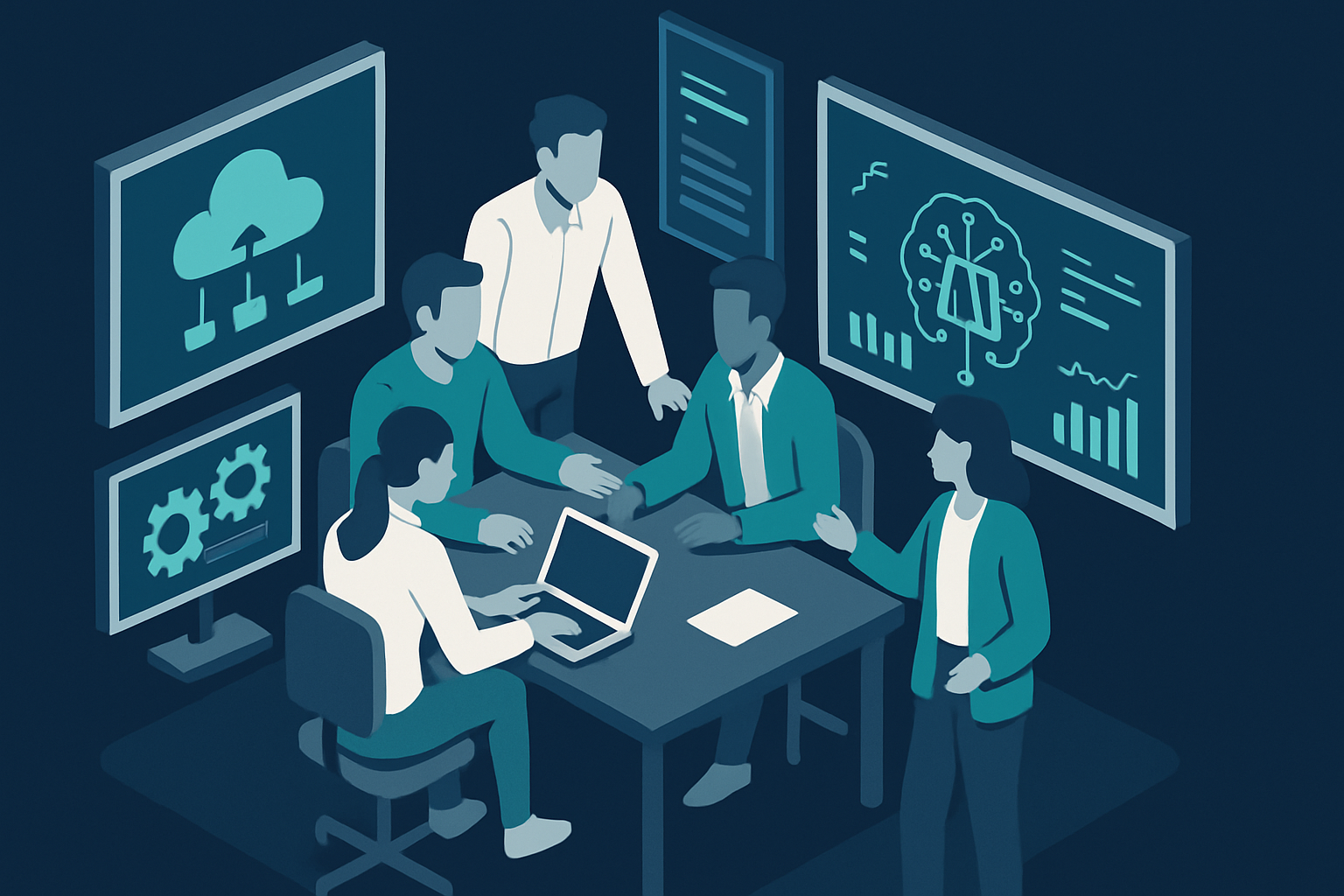
AI’s Role in Redefining DevOps Engineering Practices
AI is transforming DevOps by enhancing automation and system reliability. Engineers must adapt to new workflows and consider evolving security practices as AI reshapes traditional infrastructure management. Read more
-

AI’s Role in Professional Judgment: Balancing Efficiency and Expertise
As AI integrates into professional settings, the boundary between human judgment and machine efficiency blurs. While AI can enhance processes, it risks eroding the skills that define professional expertise, necessitating careful management to preserve human agency. Read more
-

The Death of the Tacit and What It Means
Tacit knowledge once defined human expertise, but AI’s ability to replicate it forces us to reconsider our value and purpose. As machines bridge the gap between knowledge and application, the very essence of what it means to be human is at stake. Read more
-
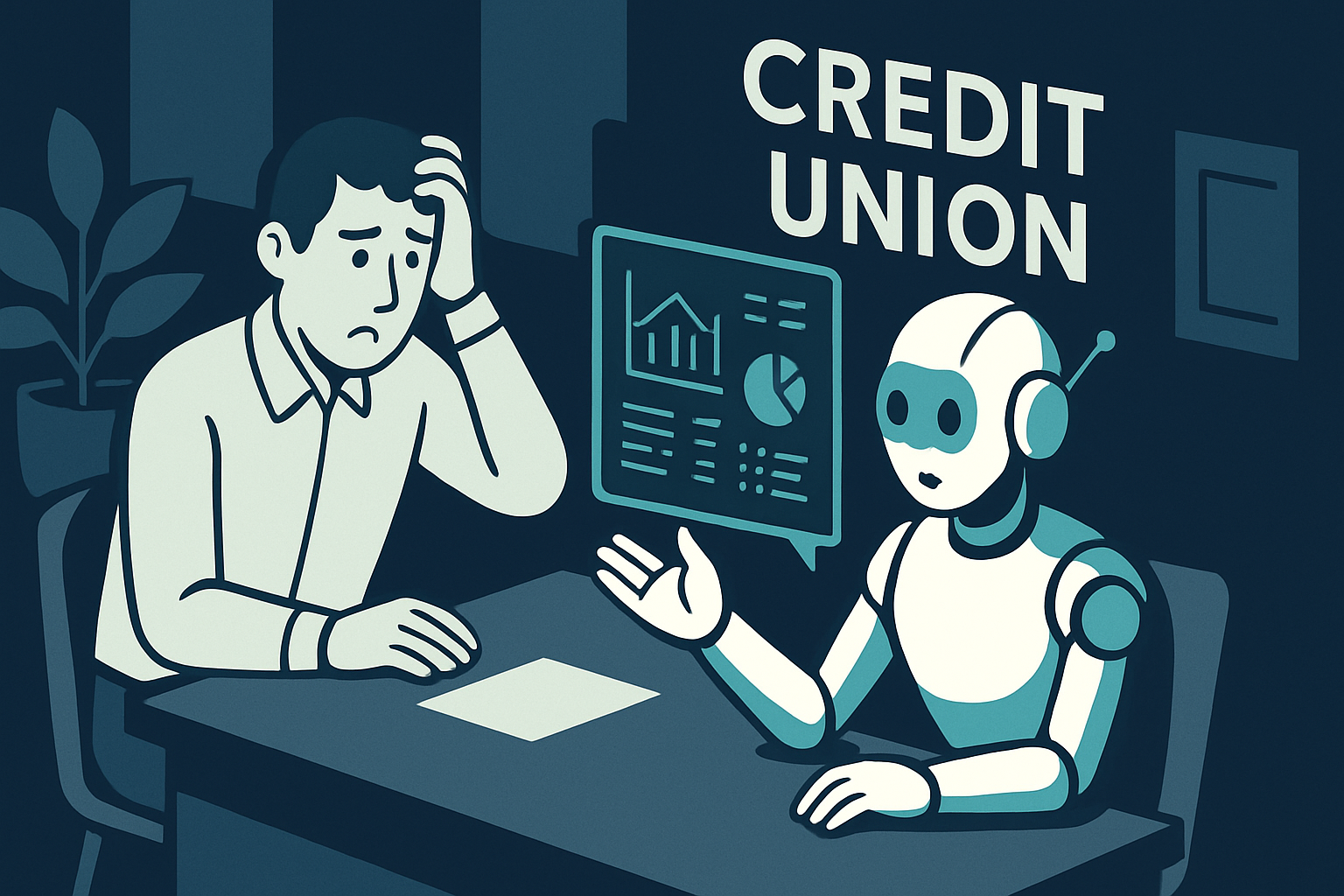
The Human Cost of AI: When Advisory Becomes Autonomy
As AI technologies become more ingrained in our institutions, we must critically evaluate their impact on human capacities and social interactions. The rise of AI chatbots in credit unions and the potential sale of Hugging Face signal a shift towards automation that could erode the personal touch in our interactions. Read more
-
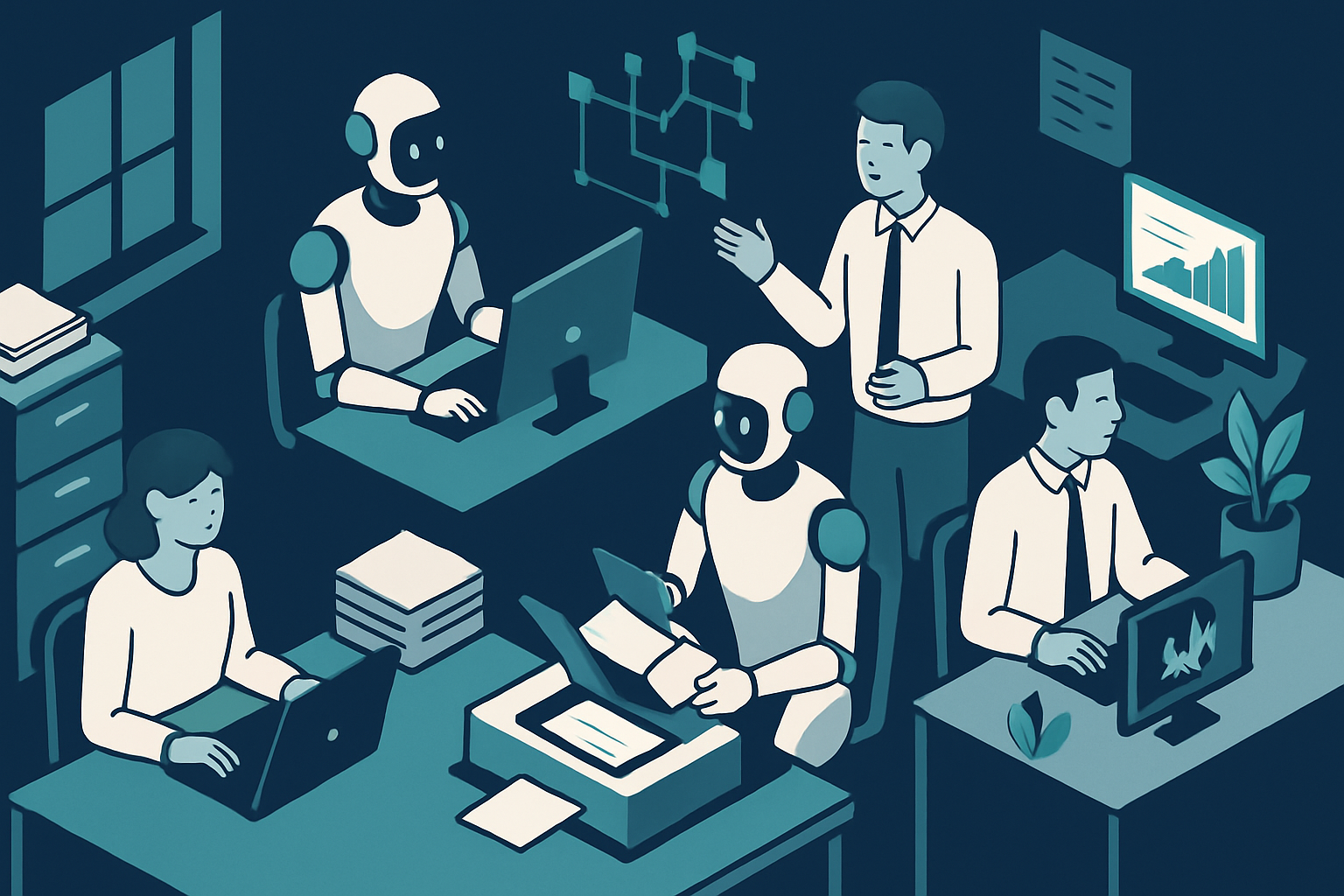
AI’s Impact on Labor: From Workforce to Work Source
AI technologies are reshaping labor markets by turning work into a resource for AI training. This shift carries implications for labor demand and economic inequality, necessitating careful management to ensure shareholder value and broad economic benefits. Read more


