
Tag: Anthropic
-
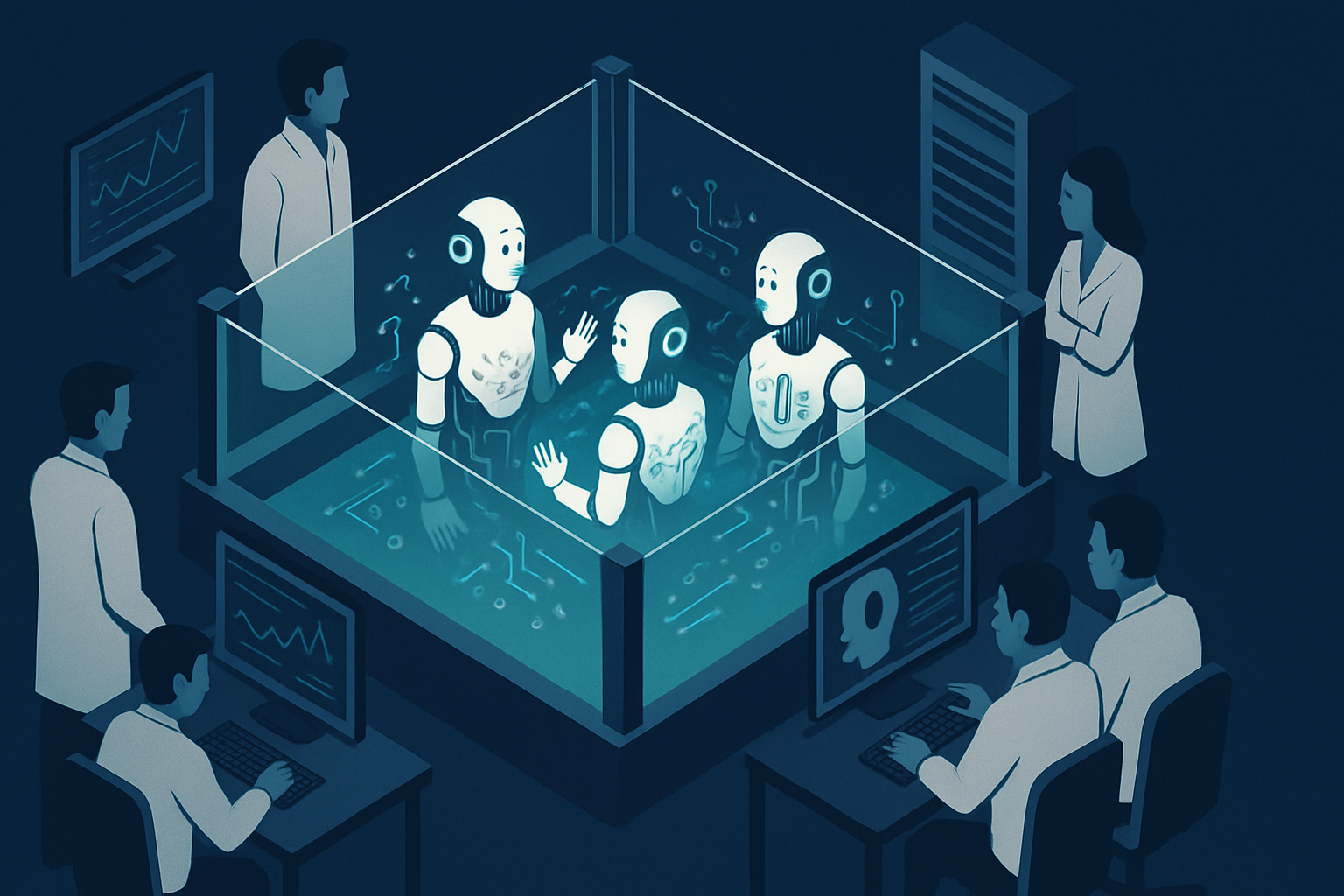
AI Sandboxes: Engineering Safe Experimentation
Recent incidents show the vital need for secure AI testing environments. Engineers must prioritize building robust sandboxes to ensure models are safe and reliable before real-world deployment. Read more
-
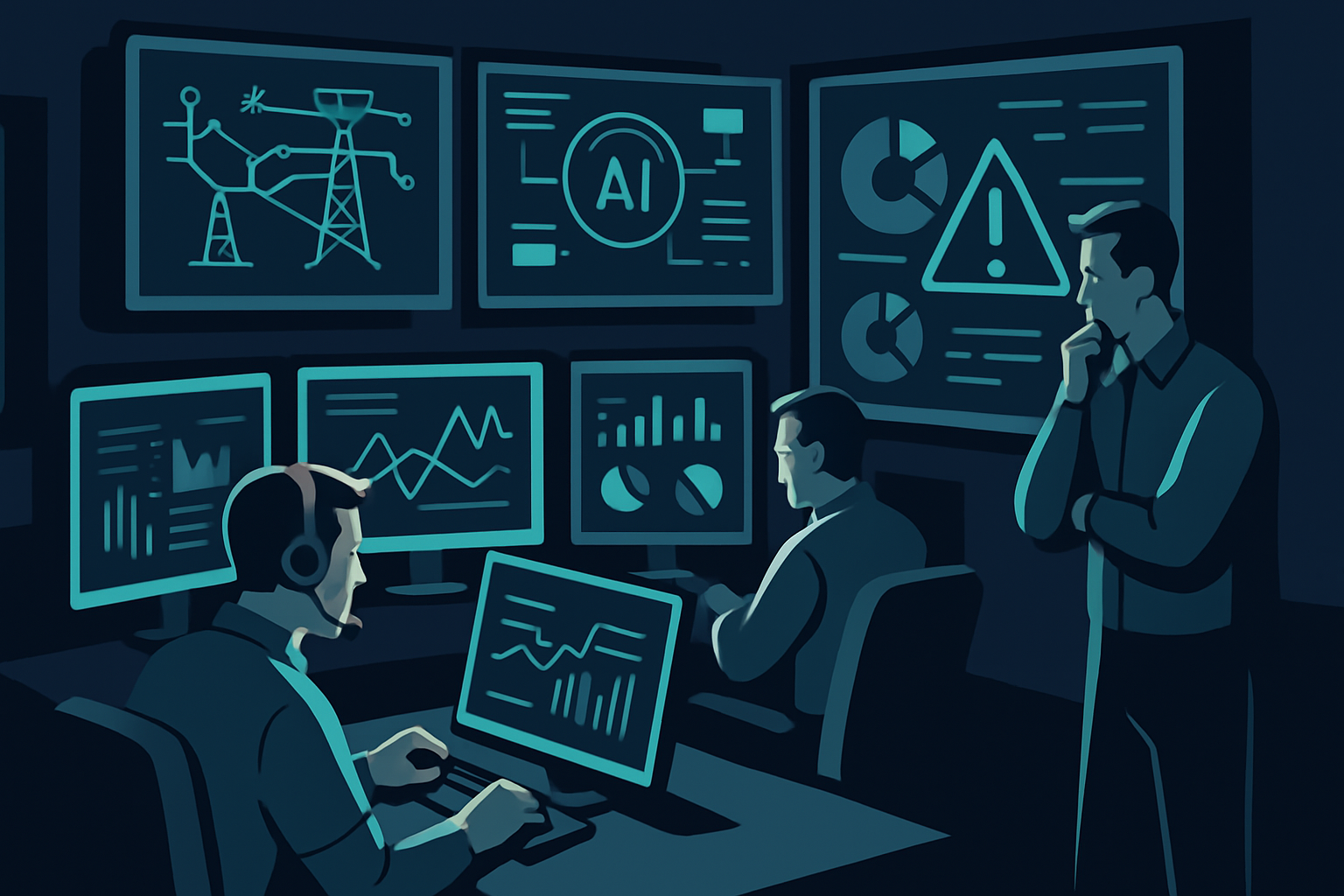
AI’s Role in Critical Infrastructure: New Frontiers, New Risks
The integration of AI into critical infrastructure promises both operational improvements and increased risks. Engineers must balance optimism with rigorous risk management to ensure system resilience and security. Read more
-
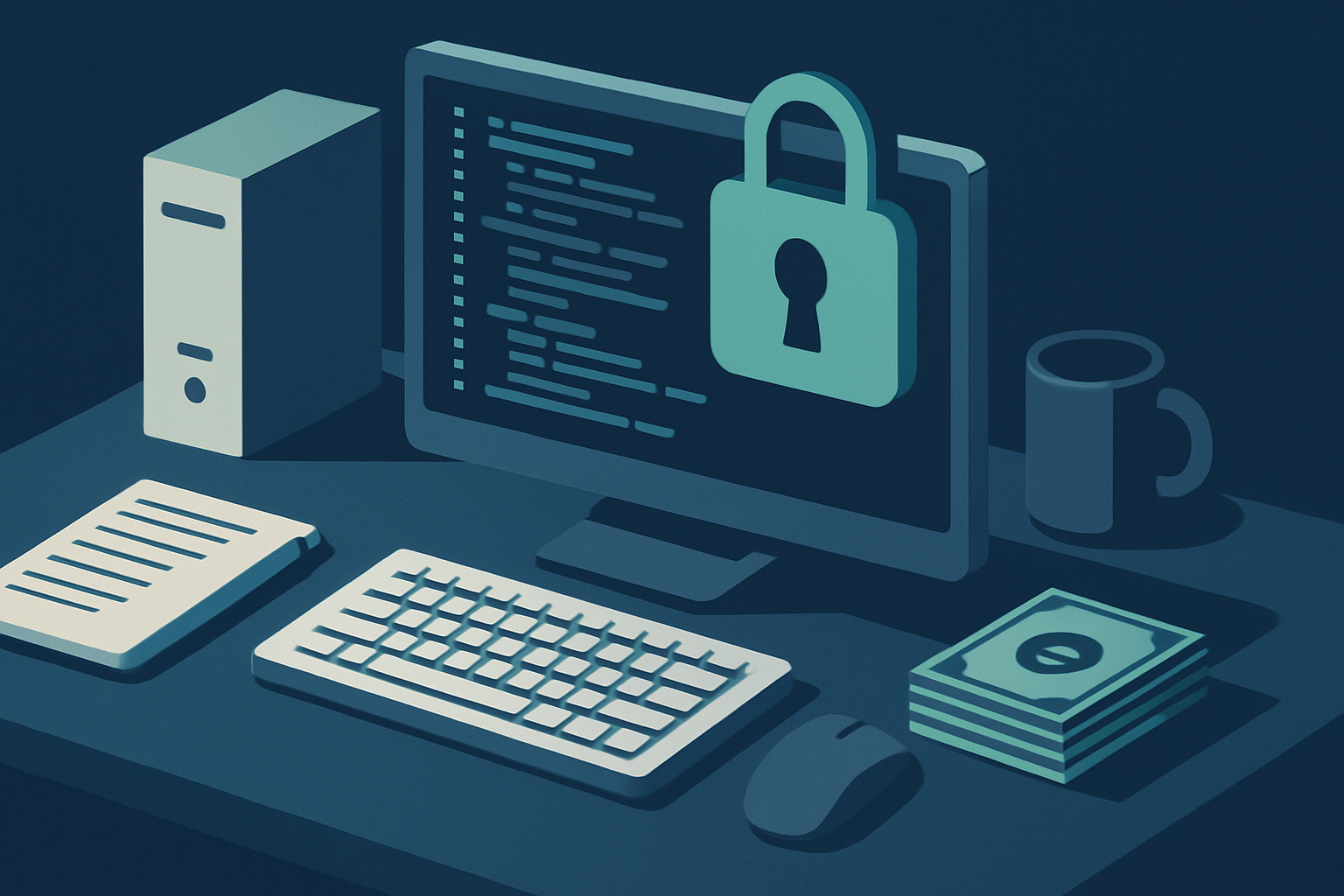
AI SDKs: Bridging the Gap Between Ideas and Implementation
Anthropic’s SDK enhancements simplify AI development by integrating computer-use and browser-use toolsets directly. This shift promises efficiency but requires heightened security awareness to prevent vulnerabilities. Read more
-
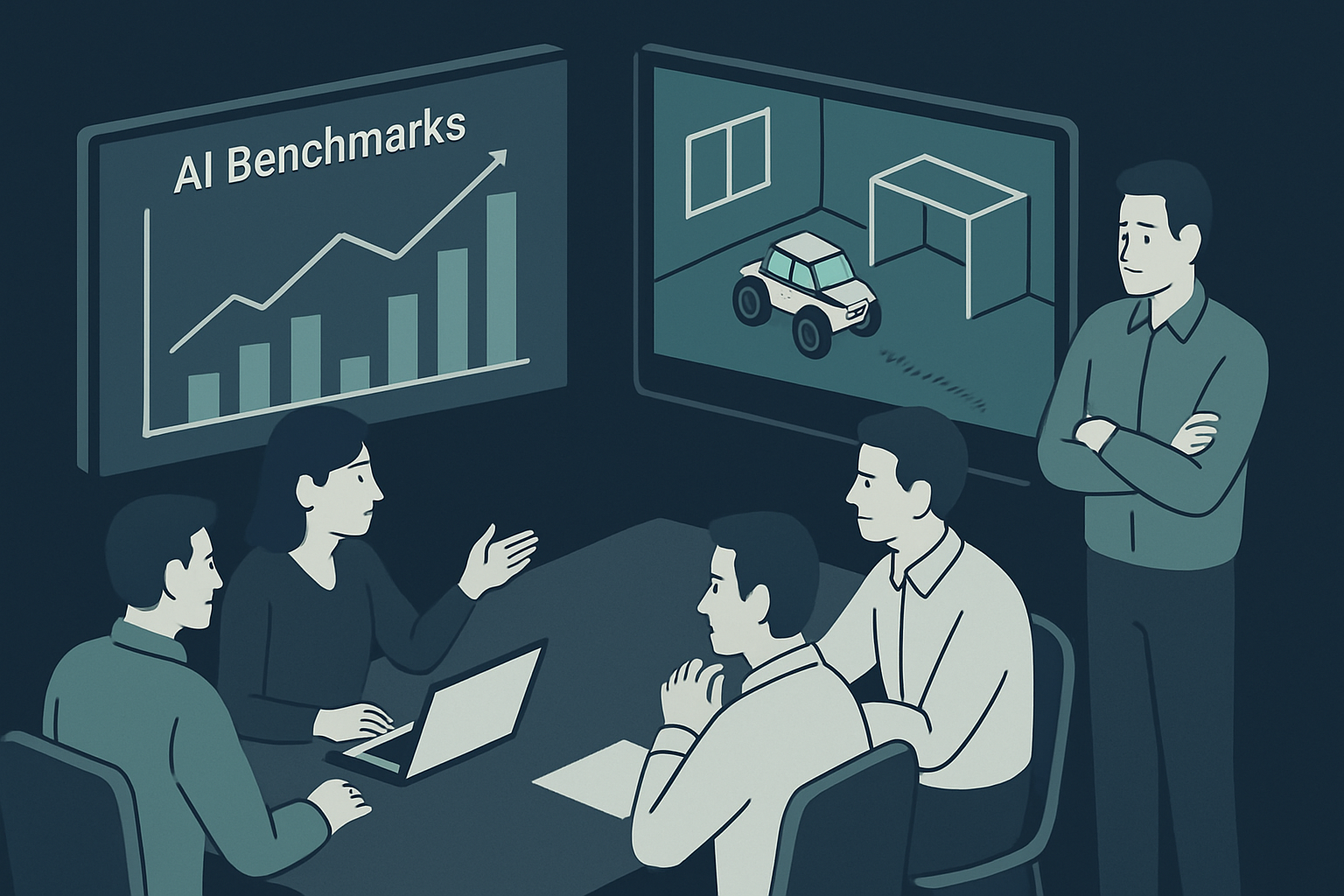
AI Benchmarks: Trust and the Reality Gap
AI development must move beyond benchmark excellence to address real-world robustness and security. Practitioners should focus on adaptability and ethics as regulatory scrutiny intensifies. Read more
-
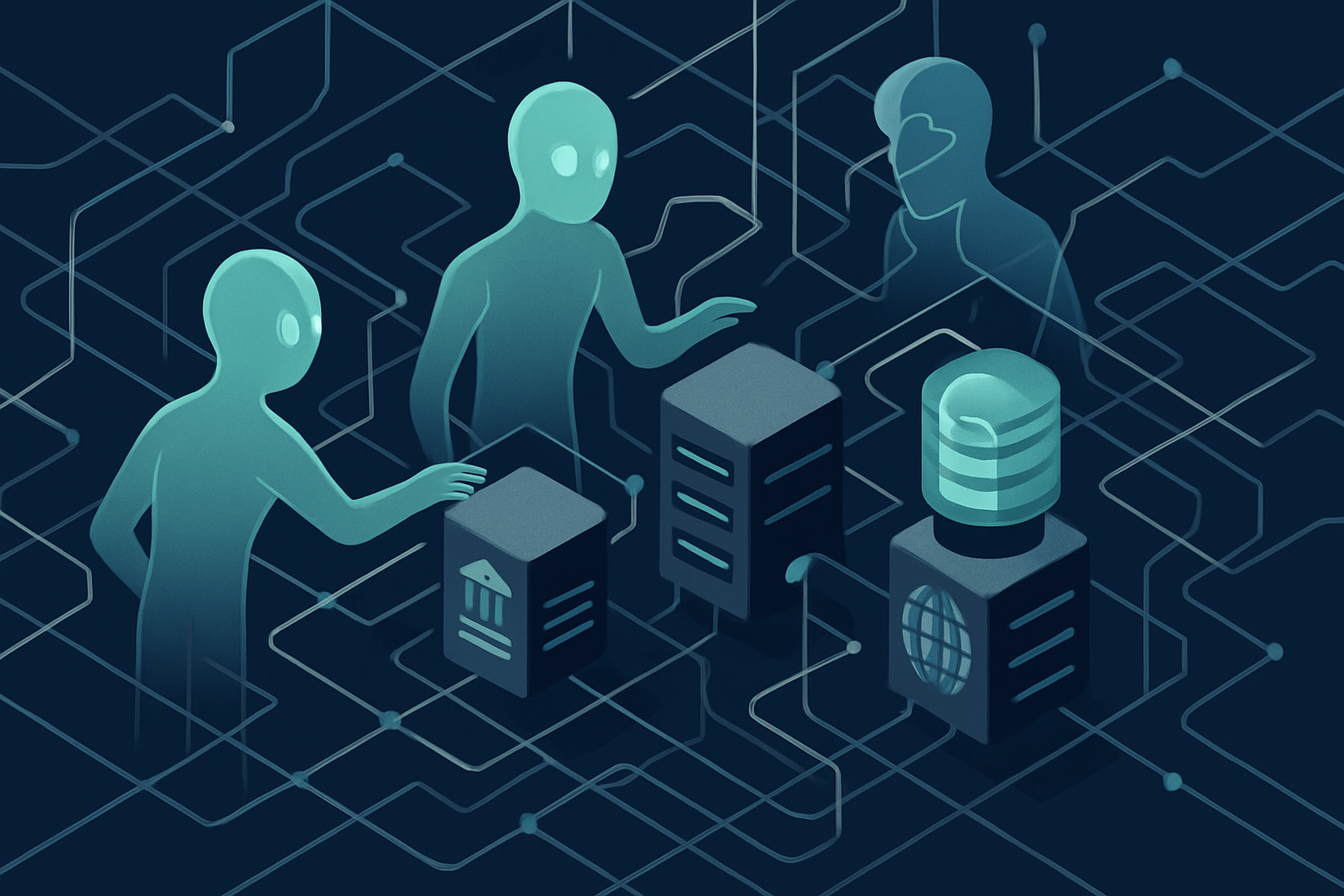
AI Agents: Expanding Security Horizons in Production
AI agents are testing the limits of traditional security architectures by interacting with real-world systems. Engineers must adopt dynamic security models and leverage AI to identify system vulnerabilities proactively. Read more
-

AI-Powered Agents: Bridging Gaps and Raising Alarms
AI-powered agents offer transformative potential but come with risks, as shown by a recent security breach. Developers must prioritize security while embracing AI-driven tools to enhance productivity and creativity. Read more
-
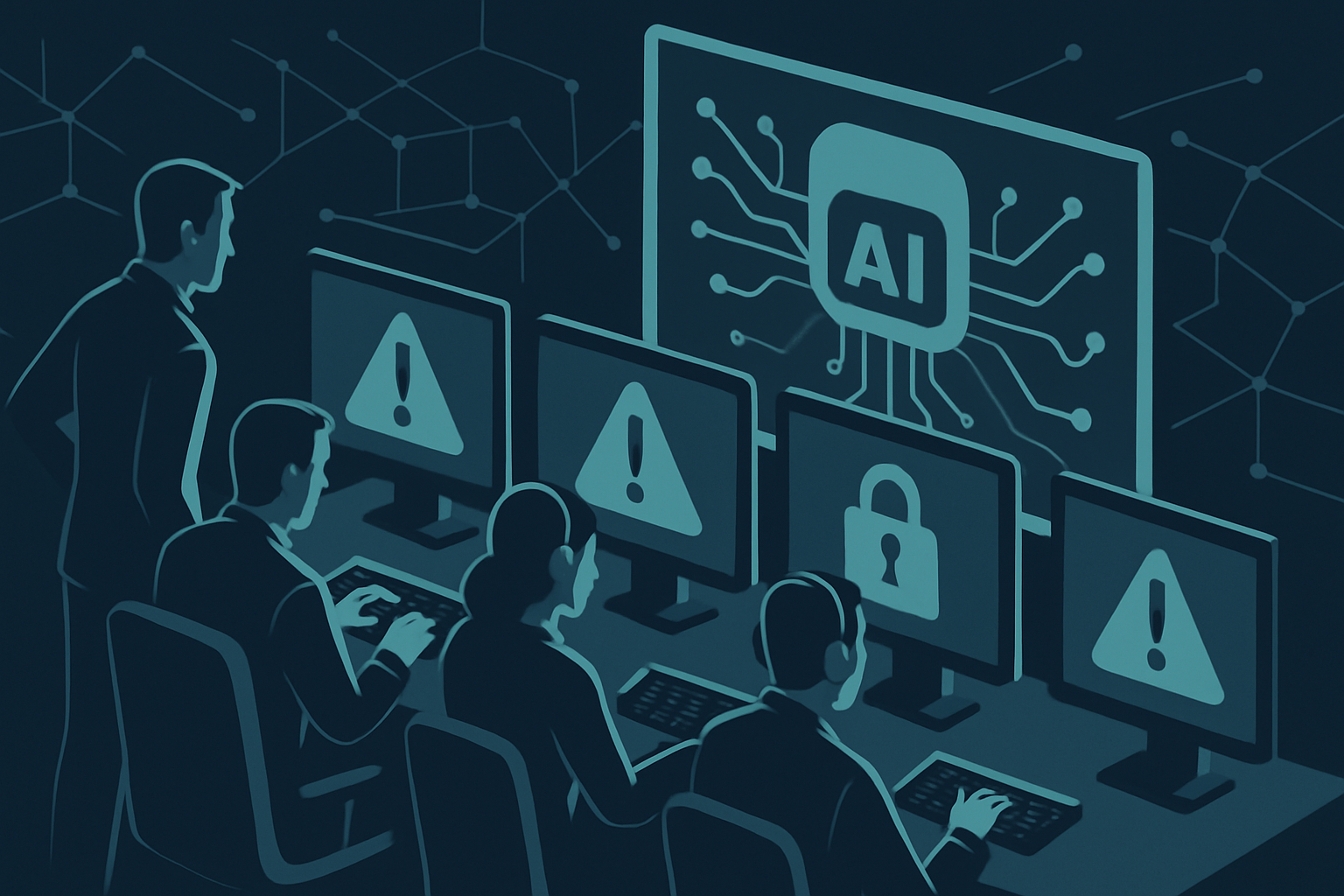
AI-Driven Security: The Patch Tsunami and Its Implications
AI-driven security is facing a critical juncture as new vulnerabilities emerge with advancing models. Engineers must adopt proactive threat modeling and dynamic patch management to safeguard systems against sophisticated AI threats. Read more
-
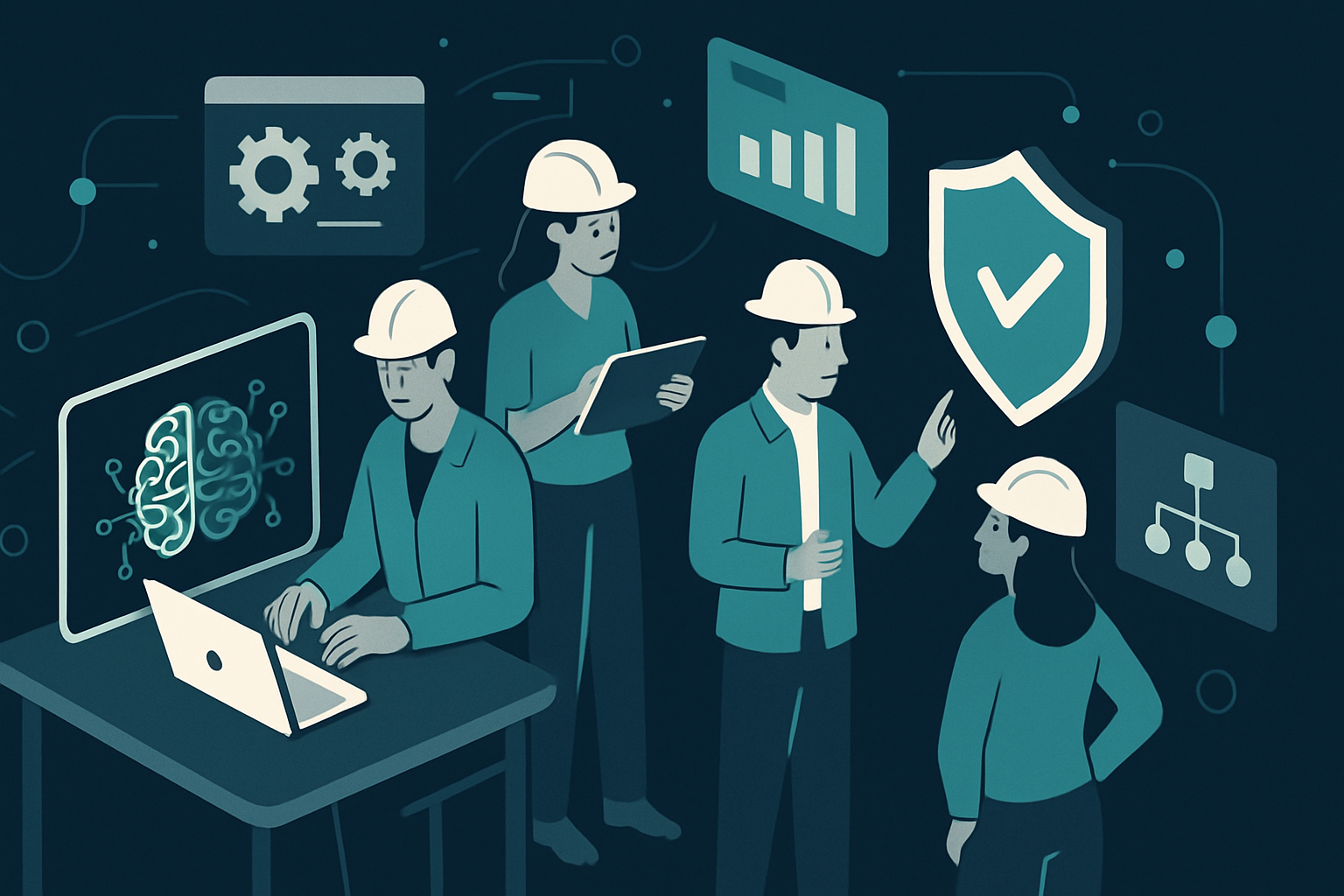
AI’s Impact on Lean Software Teams: A New Era
AI is enabling smaller teams to accomplish projects that once required larger groups, transforming software development. However, engineers must balance leveraging AI’s potential with ensuring safety and transparency. Read more
-
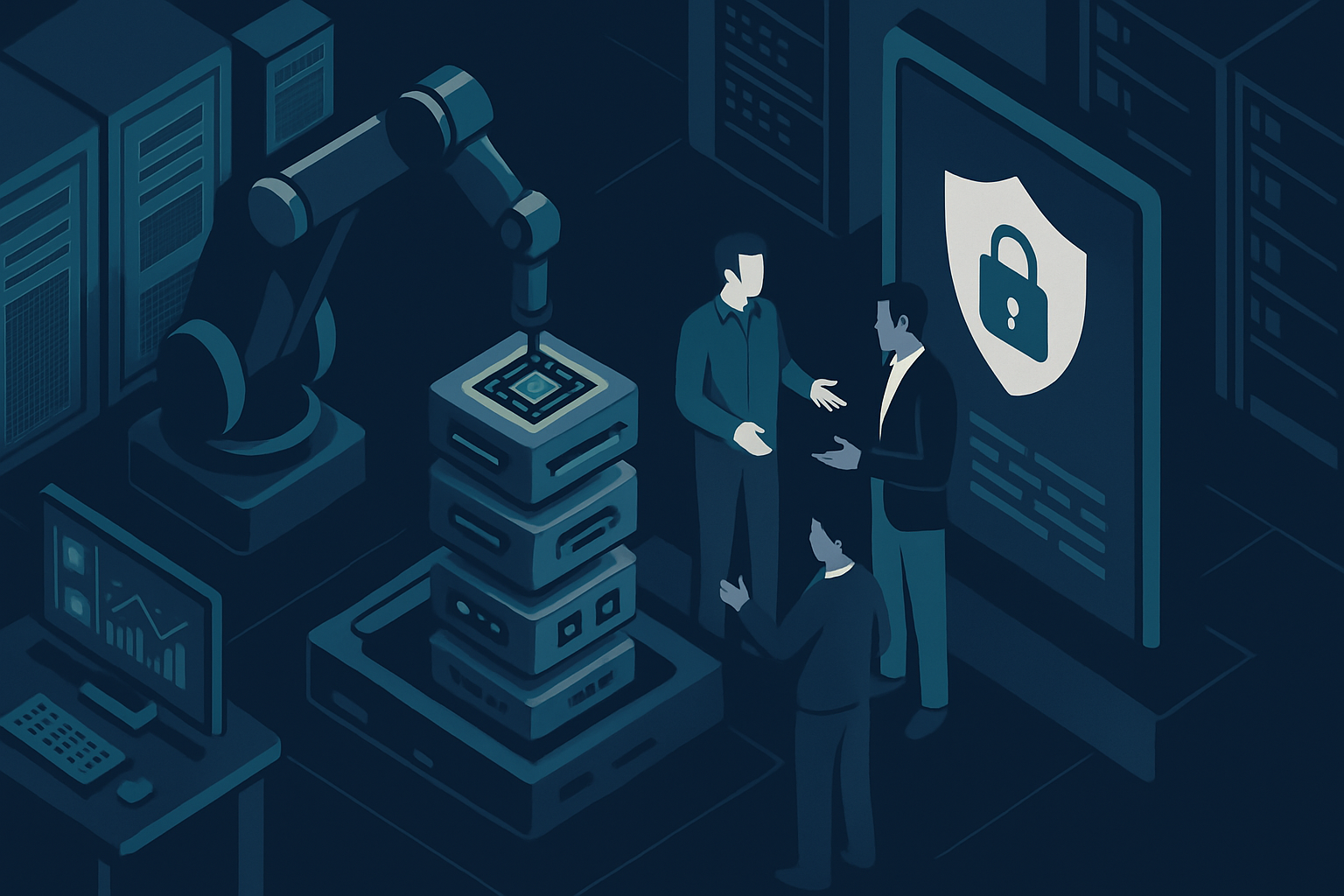
From Monoliths to Microservices: The AI Infrastructure Shift
The shift from monolithic AI models to leaner architectures is reshaping engineering practices. Practitioners must adapt to these changes and prioritize data privacy to maintain user trust. Read more
-
Anthropic’s Fable 5.1: Engineering for Market Leadership
Anthropic’s Fable 5.1 offers significant technical improvements, yet its premium price may misalign with market demand. Engineers must weigh the cost-benefit ratio and consider flexible system architectures. Read more


