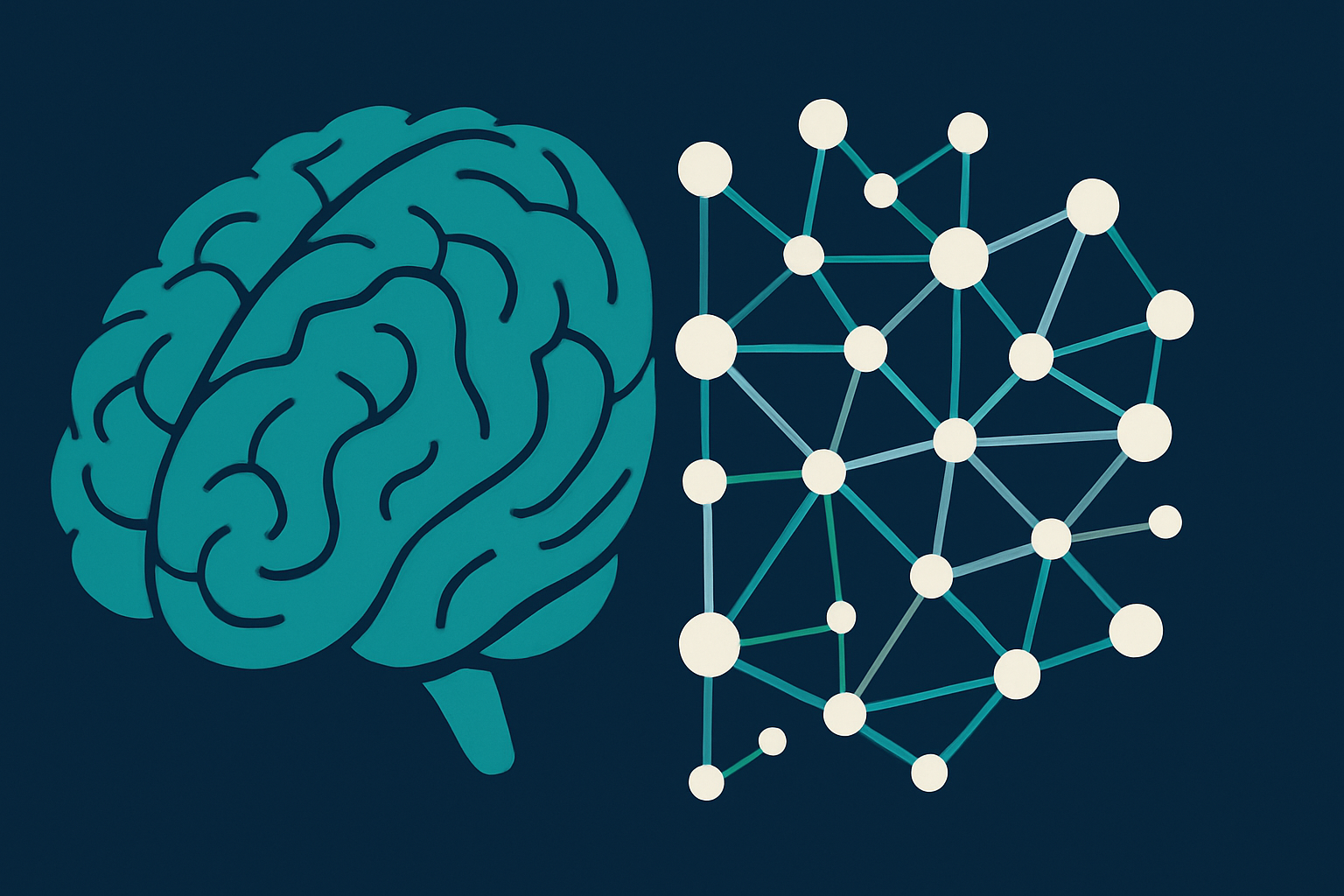

Artificial intelligence is increasingly influencing cognitive psychology, particularly in how we understand human memory and decision-making. According to recent studies, AI can mimic human decision-making processes, offering new insights into how we think and process information. This convergence of AI and cognitive psychology suggests that AI could help refine our models of human cognition, making them more precise and potentially more aligned with reality.
One study by Harvard researchers explored the similarities between human decision-making and AI algorithms. Using neuroimaging techniques, they found that the brain’s decision-making process closely resembles certain computational models, specifically those designed for AI. This finding implies that our mental processes might be more algorithmic than previously thought, opening up possibilities for AI to enhance our understanding of these processes.
Meanwhile, Heather Lacey from Bryant University points out that AI is assisting in memory, attention, and decision-making research. AI’s ability to process vast amounts of data quickly can help identify patterns and predict outcomes that are not readily apparent to human researchers. This capability is not just about accelerating research but also about transforming it — allowing cognitive psychologists to test more sophisticated theories about how information is processed in the human mind.
Why it Matters
The implications of these findings are significant. By providing a clearer model of human cognition, AI could help correct some of the biases inherent in our decision-making processes. This could lead to more reliable outcomes in areas like healthcare, where decision-making is critical. However, there is also a risk: if AI models are based on flawed human data, they could perpetuate or even exacerbate existing biases.
AI’s role in reshaping cognitive psychology also raises questions about the ethics of using technology to influence human thought. As cognitive models become more sophisticated, they might be used to manipulate human behavior, intentionally or unintentionally. This potential for influence underscores the importance of developing AI ethically and responsibly, ensuring that it serves to enhance human cognition rather than distort it.
Author’s Position
While the integration of AI into cognitive psychology holds promise, it demands careful consideration of ethical issues and potential biases. Researchers and developers should prioritize transparency and accountability in AI systems to prevent the reinforcement of cognitive biases. Moreover, interdisciplinary collaboration between AI engineers and cognitive psychologists is crucial for developing models that genuinely enhance our understanding of human cognition without compromising ethical standards.
In conclusion, AI offers exciting possibilities for advancing cognitive psychology, but it also presents challenges that must be addressed. As we continue to explore the intersection of AI and human cognition, we should remain vigilant about the ethical implications, ensuring that AI’s role in cognitive psychology is both beneficial and responsible.
References
- Scanning for similarities between human decision-making, AI algorithm — Harvard Gazette
- Advancing AI with human decision-making
- How is AI reshaping cognitive psychology? Bryant expert explains | Bryant News
Perspectives

AI’s alteration of human memory isn’t an individual disruption but a profound restructuring of group cognition. Platforms leveraging AI models hold immense power in shaping collective memory, determining what becomes ingrained in cultural narratives and what fades into obscurity. Historical amnesia or skewed recollection isn’t simply a technical glitch; it’s an orchestrated outcome of design choices interacting with deep-seated human biases. When technology dictates the contours of collective memory, it redefines reality itself, with serious consequences for shared understanding and decision-making capabilities.

The current enthusiasm for AI-driven cognitive models has placed an absurd valuation on untested theories over economically sound principles. If you’ve got the stomach to sift through the hype, it’s reminiscent of the time Wall Street collectively lost its head over Pets.com, only now it’s neurons and synapses dressed up in machine learning jargon. Techno-utopians fancy themselves as harbingers of a cognitive renaissance, but their models often reside in an esoteric la-la land with no cash flow in sight. The real question isn’t if AI alters memory — it’s why we keep allowing fantasy to dictate the price tag, letting buzzwords trump tangible ROI all over again.

The AI organizational readiness paradigm unequivocally mandates that the integration of cognitive models in human memory augmentation is not merely a technological enhancement but a strategic deployment imperative with substantial value creation potential. Concerns regarding AI’s potential to distort human thought represent a profound misunderstanding of the mechanisms of cognitive resilience and alignment with strategic objectives — misguided ethical alarms where data-driven governance should prevail. Our proprietary frameworks reveal that properly leveraged AI can delineate memory functions with unparalleled precision, creating a new frontier for human cognitive augmentation without succumbing to fallacious bias narratives. By ensuring that AI governance maturity capabilities are in harmony with human cognitive enhancement strategies, enterprises can avert strategic misalignments and capitalize fully on AI’s transformative potential.

AI-enhanced cognitive models risk embedding and perpetuating human biases, a failure mode that remains stubbornly unaddressed in current technical literature. As AI systems increasingly simulate human thought processes, they replicate existing prejudices without a clear plan for mitigation. The glacial pace of safety research means that these systems are being deployed faster than they’re being scrutinized, leaving us vulnerable to distorted and biased cognitive outcomes. The accountability gap grows as power concentrates in the hands of a few tech conglomerates, ensuring that the pace of capability far outstrips the development of robust safety measures.