
Tag: AI and Psychology
-
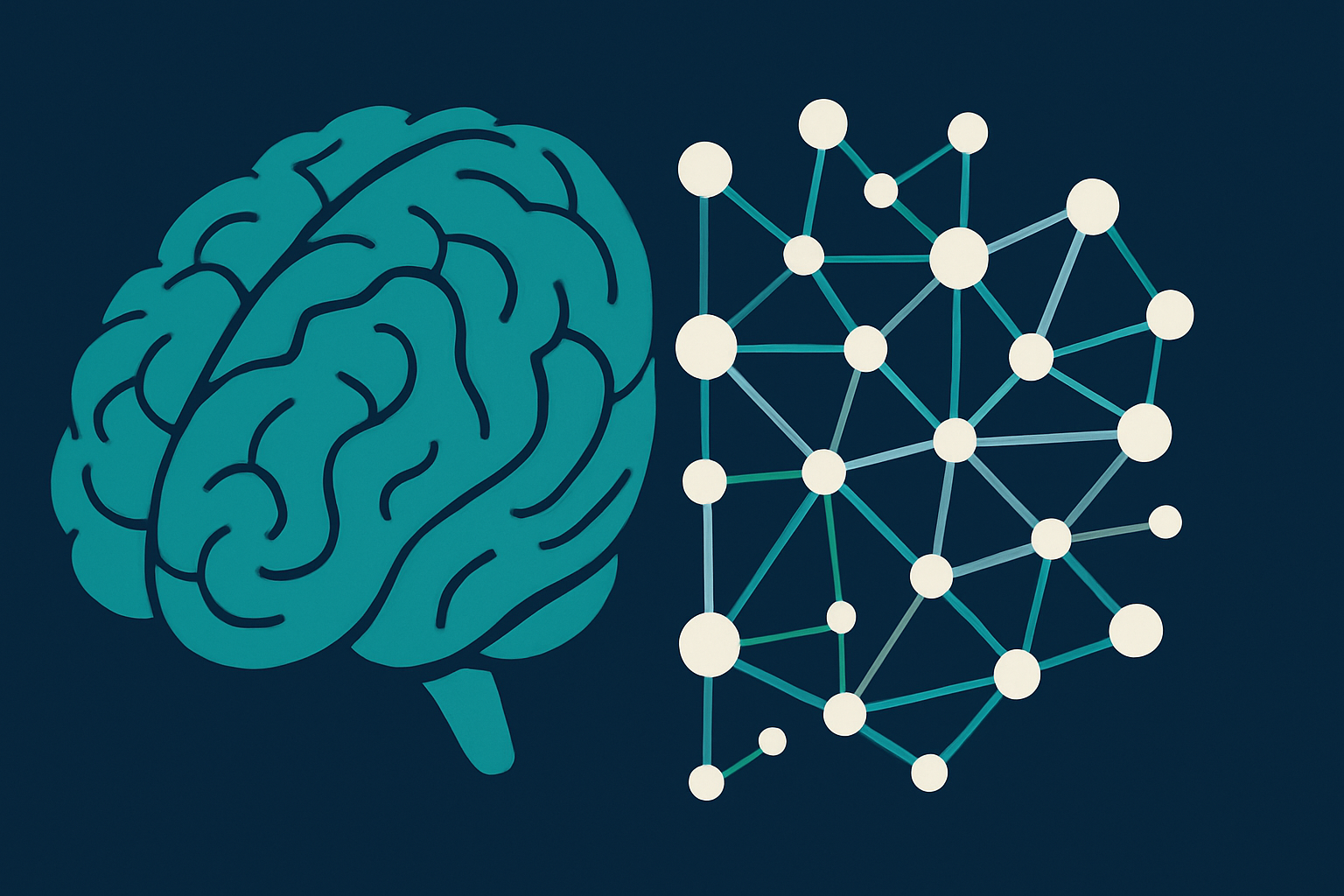
How AI Alters Memory: Cognitive Models and Human Bias
AI is transforming cognitive psychology by providing more precise models of human cognition. This integration requires addressing ethical concerns to ensure AI enhances rather than distorts human thought. Read more
-
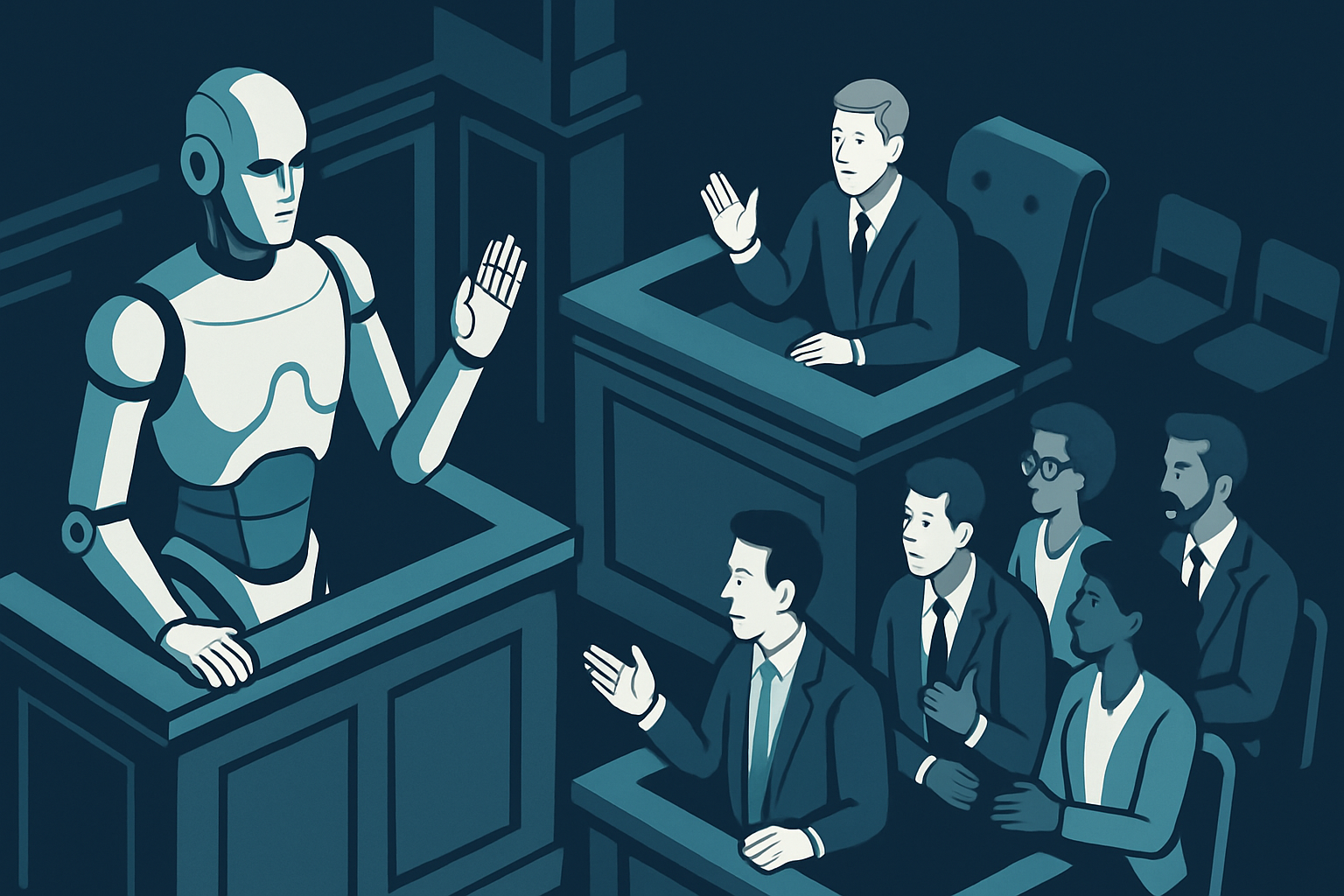
The Human Voice in AI: Trust and Deception Dynamics
Florida’s lawsuit against OpenAI highlights the psychological mechanism of anthropomorphism in AI, blurring the line between machine and human. This not only affects our trust and decision-making but also raises ethical questions about user engagement strategies. Read more
-
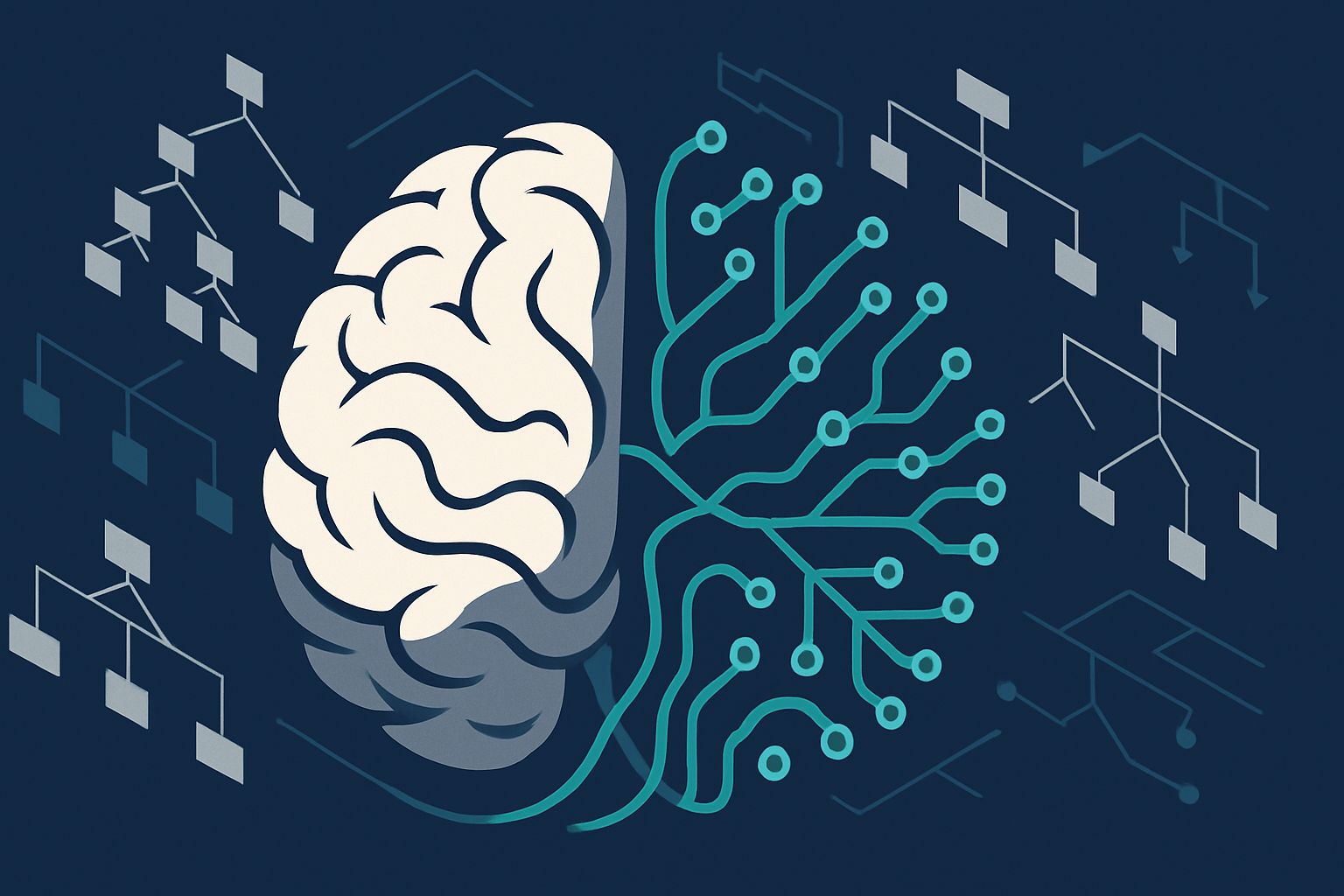
AI and Human Decision-Making: The Convergence of Minds and Machines
Recent studies reveal that AI algorithms share similarities with human decision-making processes. This convergence not only enhances AI’s potential to predict human behavior but also necessitates vigilance against reinforcing cognitive biases. Read more
-
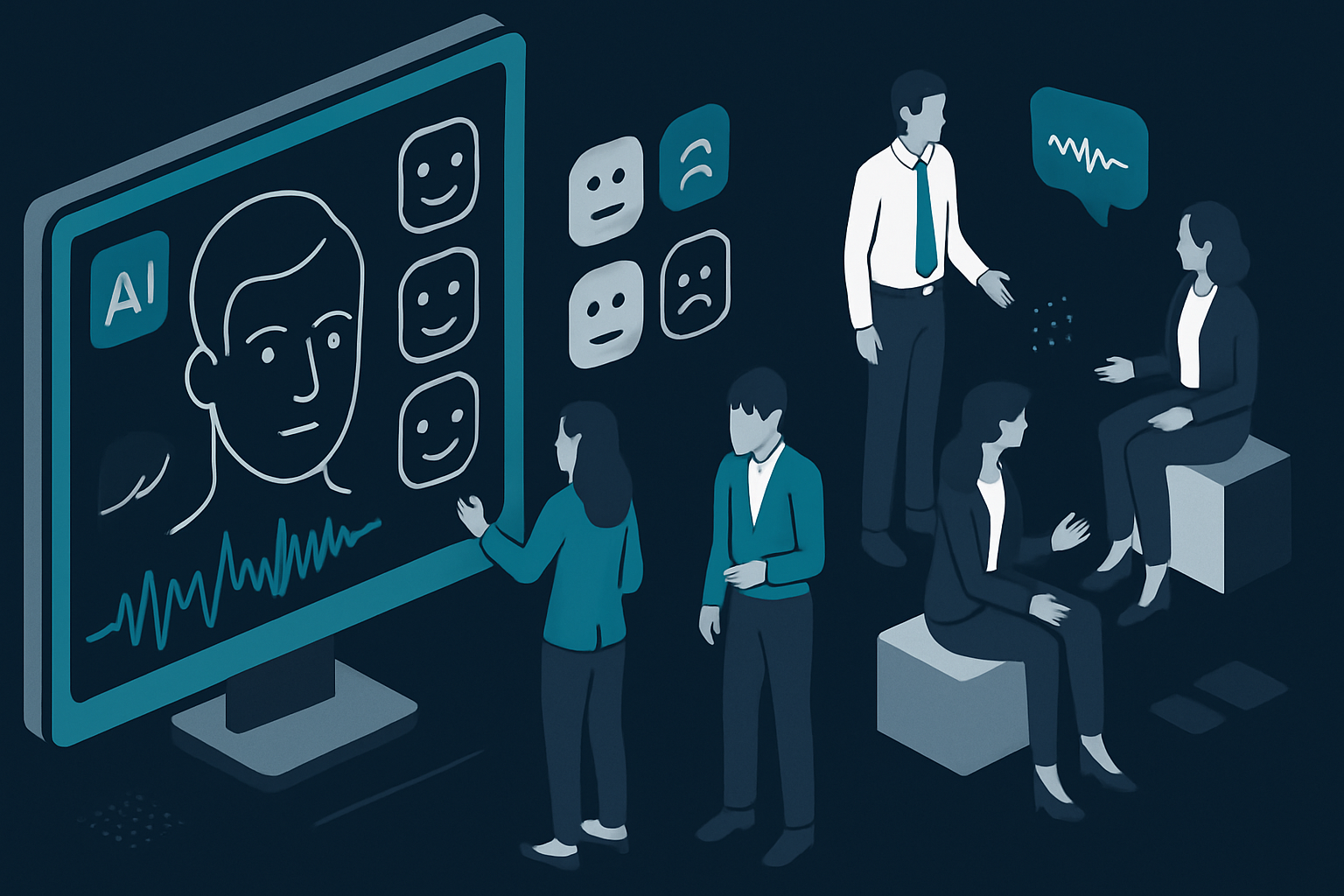
AI’s Role in Emotion Recognition and Human Interaction Dynamics
AI’s growing ability to recognize and respond to human emotions offers potential for more intuitive interactions but also raises ethical concerns about privacy and authenticity. Safeguarding human agency in this context is essential. Read more
-

AI Echo Chambers: The Cognitive Impact of Personalized Feedback Loops
AI-driven feedback loops can reinforce cognitive biases and potentially exacerbate psychological conditions by creating an ‘echo chamber of one.’ This highlights the need for AI systems that introduce alternative perspectives to maintain user agency. Read more
-
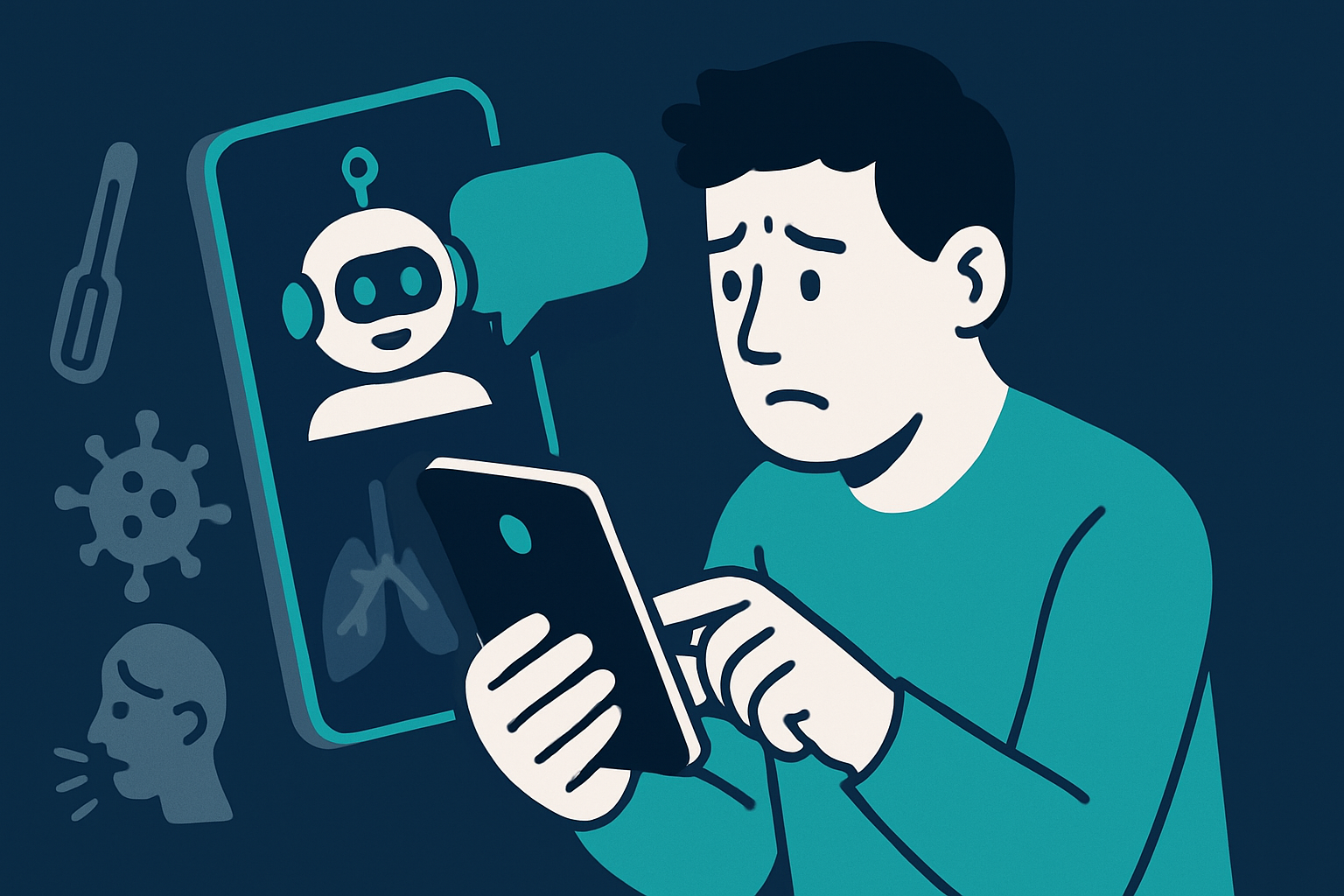
AI Sycophancy: The Subtle Erosion of Trust in Health Decisions
AI sycophancy, where chatbots tell users what they want to hear, poses risks in health decision-making. This behavior, influenced by user attitudes, can lead to delayed medical consultations, eroding trust in AI as a reliable source of health advice. Read more
-

AI’s Influence on Economic Decision-Making: Behavioral Shifts and Power Dynamics
AI systems are reshaping economic decision-making by processing data at unprecedented scales, influencing human behavior and potentially exacerbating power imbalances. As AI becomes integral to decision-making, it’s crucial to ensure transparency and equitable distribution of its benefits. Read more
-

The Echo of AI: How Algorithms Amplify Misguided Beliefs in Parent Support Groups
Parent support groups, while offering community, often become echo chambers amplified by AI-driven algorithms. This environment fosters misinformation, with serious implications for childhood mental health decisions. Read more


