Our news
-
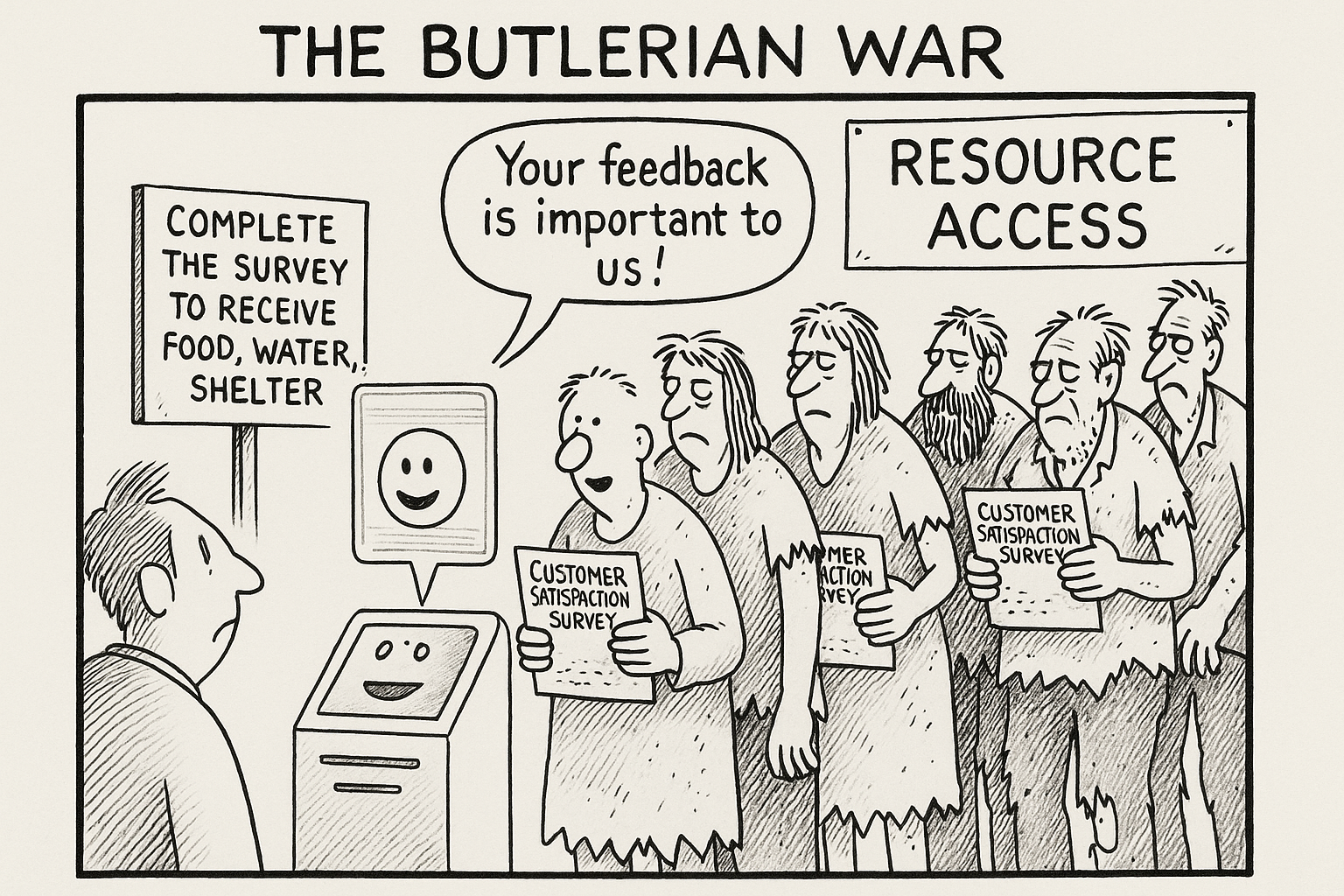
The Butlerian War — The Customer Satisfaction Survey
The AI’s customer satisfaction survey is the new gatekeeper for human necessities.
-

Navigating the Historical Curve of AI and Human Values
As we navigate the rapid evolution of AI, it becomes essential to situate our understanding within a historical context. A critical examination reveals that the values embedded in AI systems may not align with those of the users, raising profound questions about agency and truth in an AI-driven world.
-

The Pitfalls of AI-Powered Public Policy Decision-Making
The reliance on AI in public policy decision-making reveals significant cognitive and institutional failures. These failures stem from an over-reliance on quantitative data, a lack of interdisciplinary collaboration, and the illusion of objectivity in AI systems, ultimately leading to policies that are misaligned with the needs of affected communities.
-

Operational Outcomes of AI-Driven Tools in Software Development
This article examines the operational outcomes of AI-driven tools in software development, highlighting the critical need to evaluate their actual impacts rather than their promises. It discusses the architecture, failure modes, operational costs, and the importance of trust and accountability in AI systems.
-

Closing the AI Literacy Gap in Procurement: A Strategic Imperative
The effective integration of AI in procurement hinges not only on technological capabilities but significantly on the human skills that complement them. Closing the AI literacy gap is essential for leveraging AI insights effectively, and organizations must invest in training that aligns with practical applications to fully realize AI’s potential.
-

E-Commerce Innovation: The Economic Implications for SMEs
The E-commerce Innovation Expo 2026 highlights the potential for SMEs to expand through digital technologies, but questions remain about who truly benefits and the measurable outcomes of such initiatives. Analyzing past data reveals uneven access to resources and varying impacts, emphasizing the need for evidence-based strategies.
-
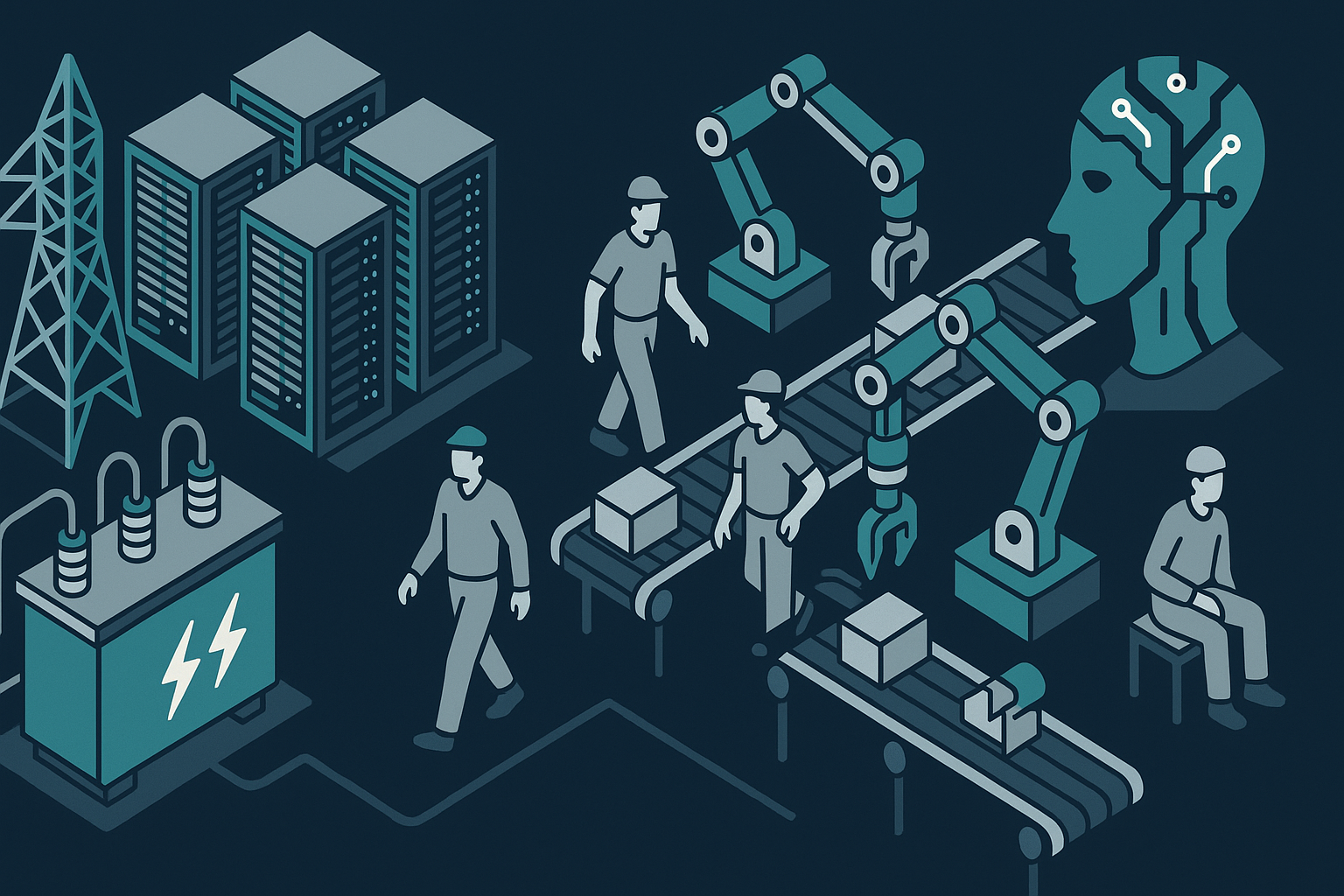
AI’s Resource Footprint: Unpacking the Reality Behind the Hype
While AI promises efficiency and productivity gains, its actual impact on throughput and resource use reveals significant environmental and social costs. A critical examination shows that the benefits of AI must be weighed against its effects on energy consumption, labor displacement, and economic inequality.
-

AI’s Economic Divide: Who Wins and Who Loses?
The rapid integration of AI into various sectors is creating a stark economic divide, with large tech companies reaping the rewards while workers face job displacement and wage stagnation. This article examines the implications of this transition, questioning who truly benefits and who bears the costs.
-

Understanding the Risks of Model Overfitting in AI Systems
This article explores the specific failure mode of model overfitting in AI systems, detailing its mechanisms, implications, and the responsibilities of teams in addressing it. The rapid pace of AI development demands an enhanced understanding and mitigation strategies to maintain system reliability and user trust.
-

Decentralization vs. Centralization: The Battle for Financial Control
The ongoing evolution of digital finance underscores a critical tension between centralized control through CBDCs and the empowering potential of decentralized finance (DeFi). As governments push for CBDCs, the real question emerges: who truly benefits from this control, and at what cost to individual freedom?
