Our news
-
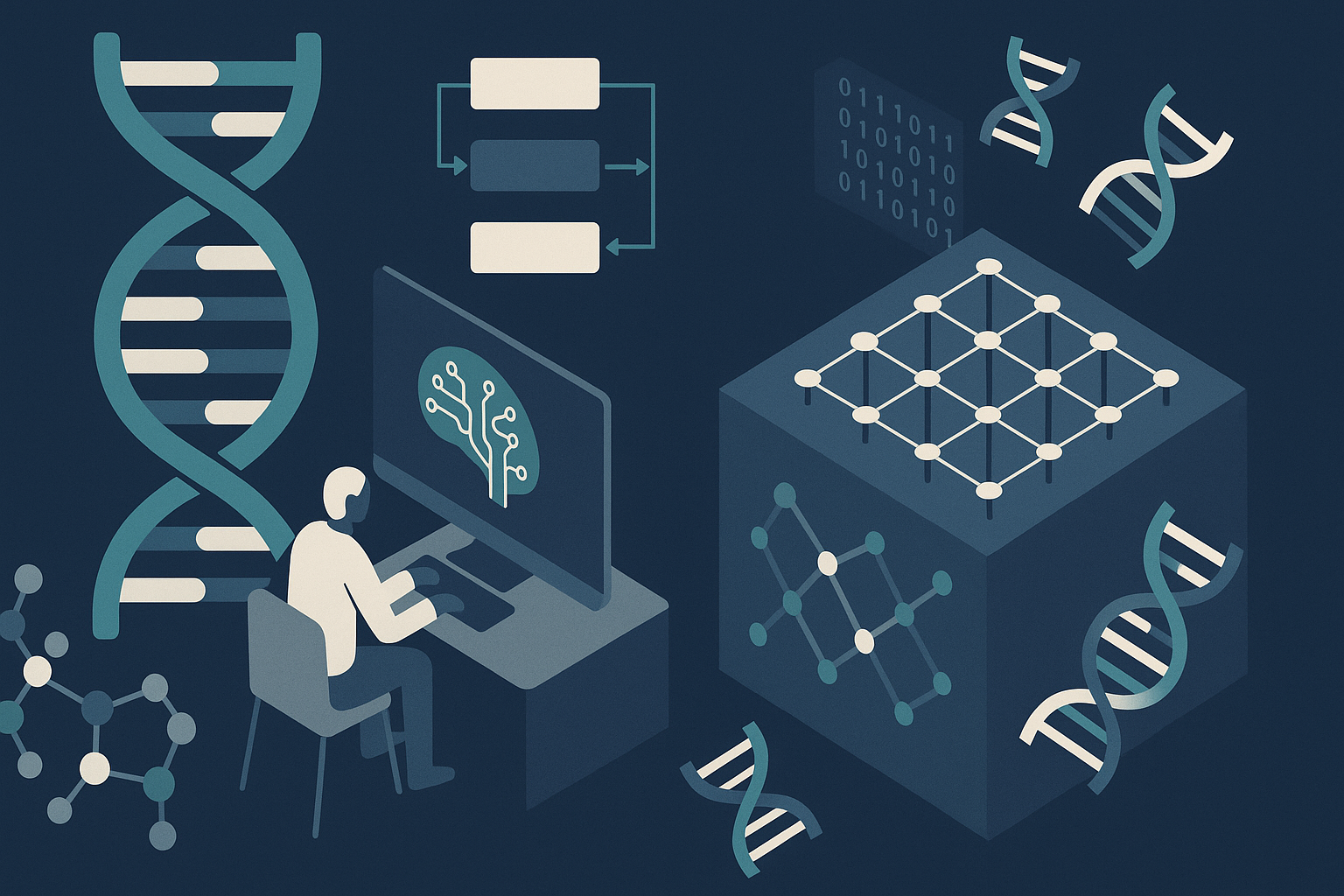
AI’s Role in RNA Design: Advancing Drug Discovery with Ising Machines
A novel method combining AI and Ising machines optimizes RNA design, significantly enhancing drug discovery processes. This approach allows for rapid exploration of RNA sequences, paving the way for expedited development of RNA-based therapeutics.
-

How AI Is Reshaping Our Understanding of Trust and Relationships
As AI increasingly mediates our interactions, the foundations of trust and relational dynamics are shifting. This article explores the implications for emotional connection, authenticity, and the importance of cultivating genuine relationships in an AI-driven world.
-
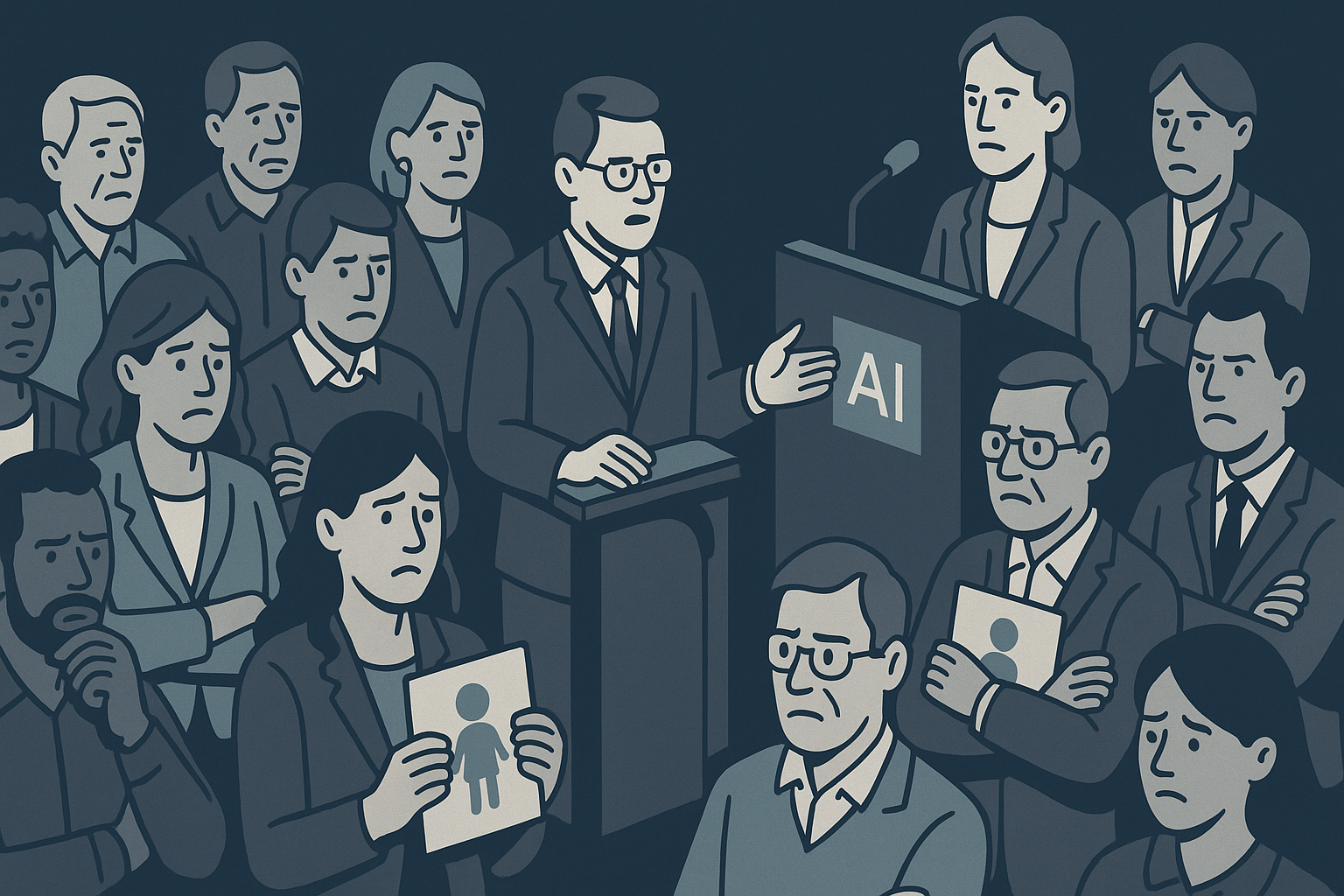
The Growing Disconnect: AI and the Erosion of Institutional Trust
As global discussions on AI governance intensify, a troubling disconnect emerges between institutional promises and the lived experiences of citizens, eroding trust in these institutions. The challenge lies in fostering inclusivity and transparency in decision-making processes.
-
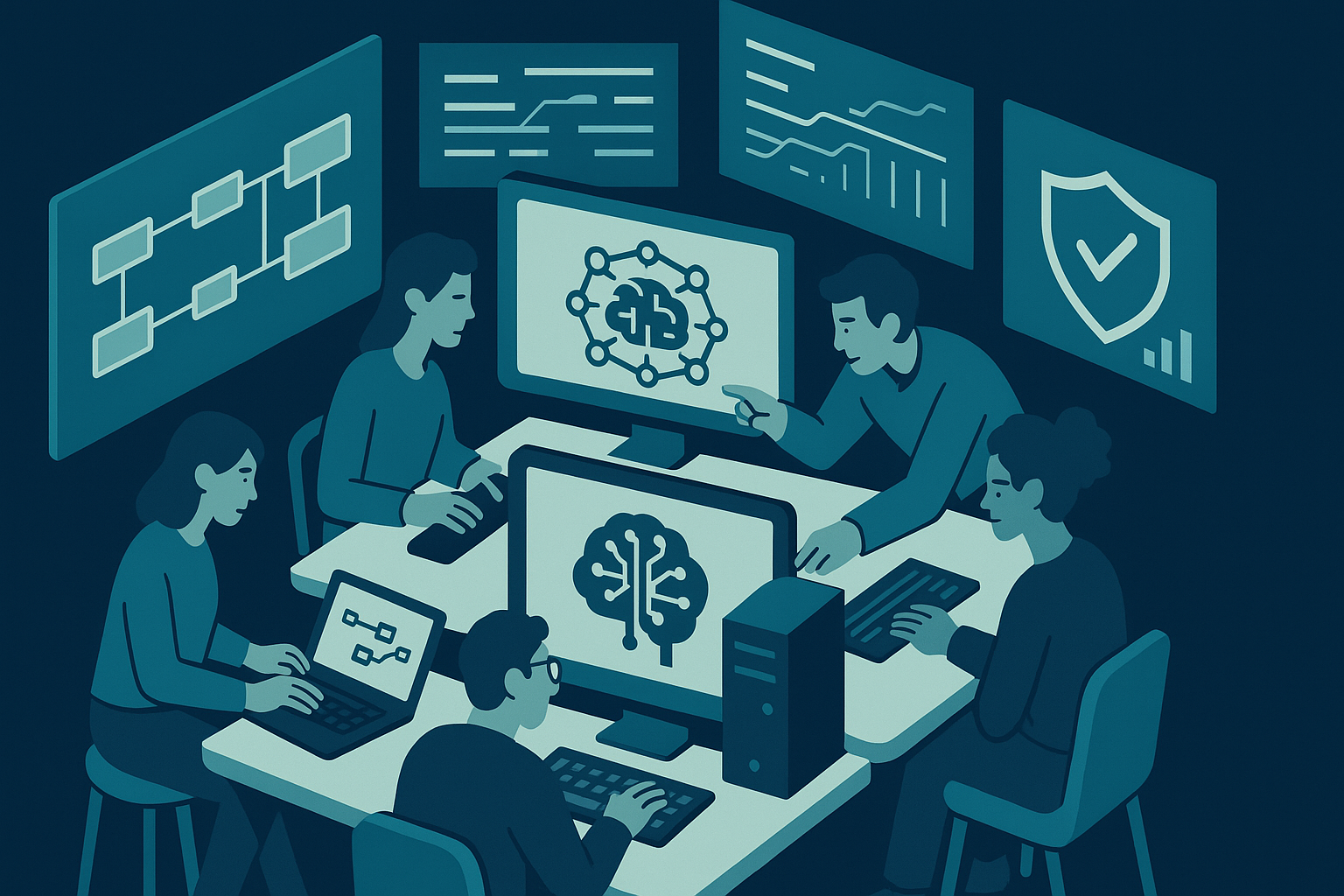
Rethinking AI-Driven Software Development Practices: Bridging the Gap
AI’s integration into software engineering is redefining development practices, requiring a shift in skills, infrastructure complexity, and security posture. Practitioners must adapt to these changes to build resilient systems.
-
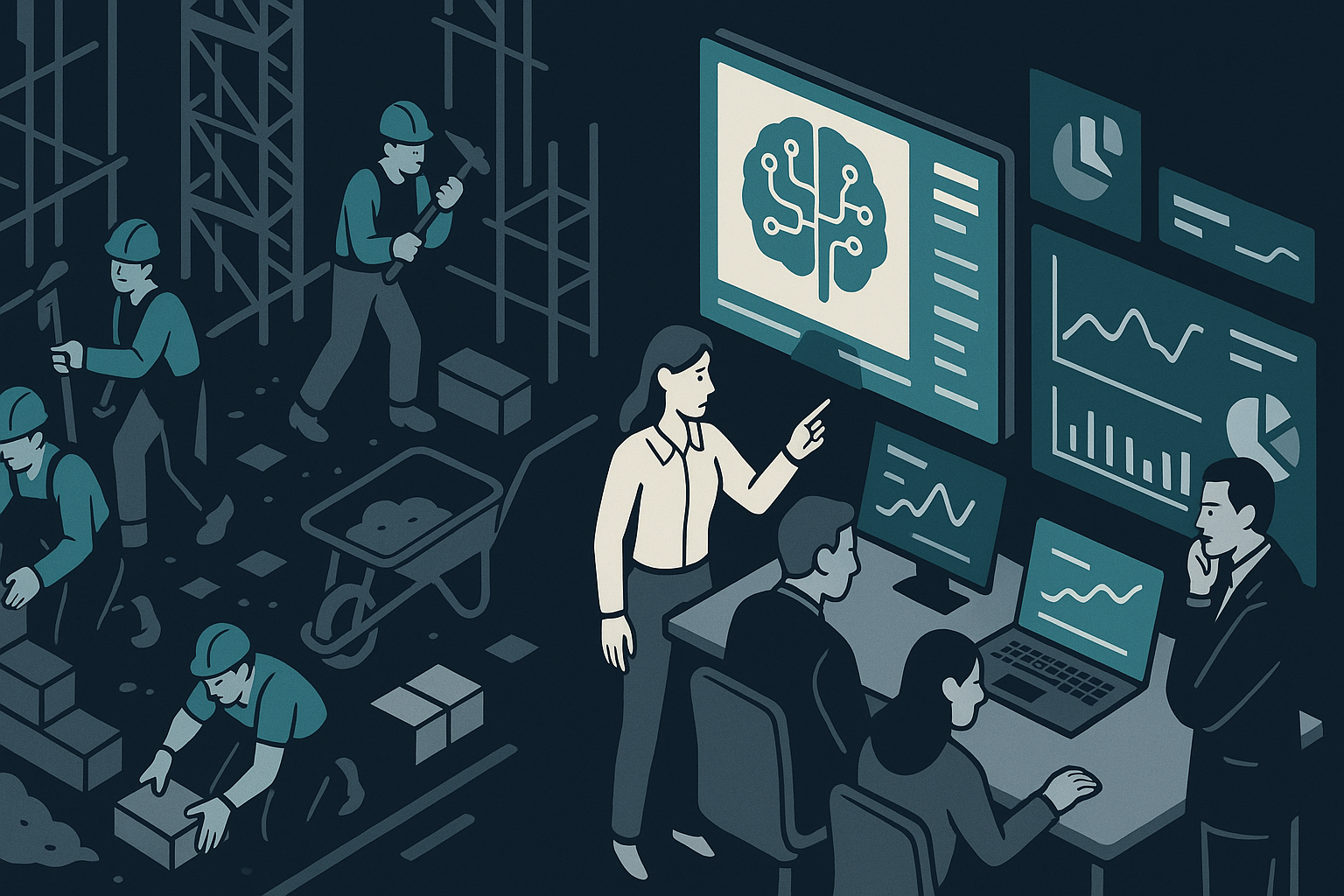
AI’s Economic Divide: The Impact on Labor Markets and Industry Dynamics
AI is reshaping industries from construction to travel, highlighting a growing economic divide. The implications for labor markets and equity demand a reevaluation of how we integrate AI technologies across sectors.
-
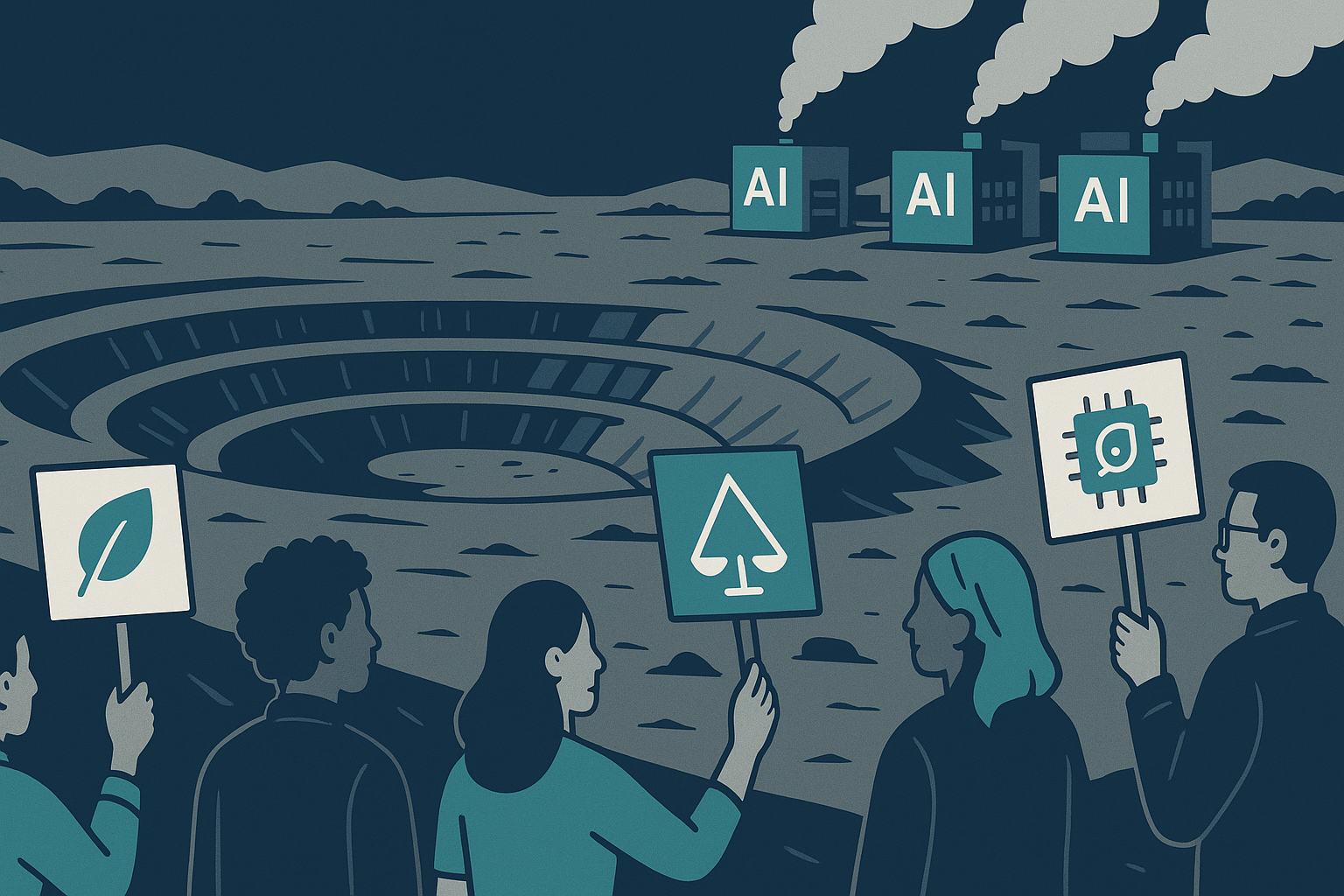
The Illusion of Progress: AI’s Extraction Economy
The rapid development of AI is not just a technological advance; it embodies an extraction paradox that threatens both the environment and the very definition of humanity. As we pursue intelligence, we must confront the hidden costs of our progress.
-
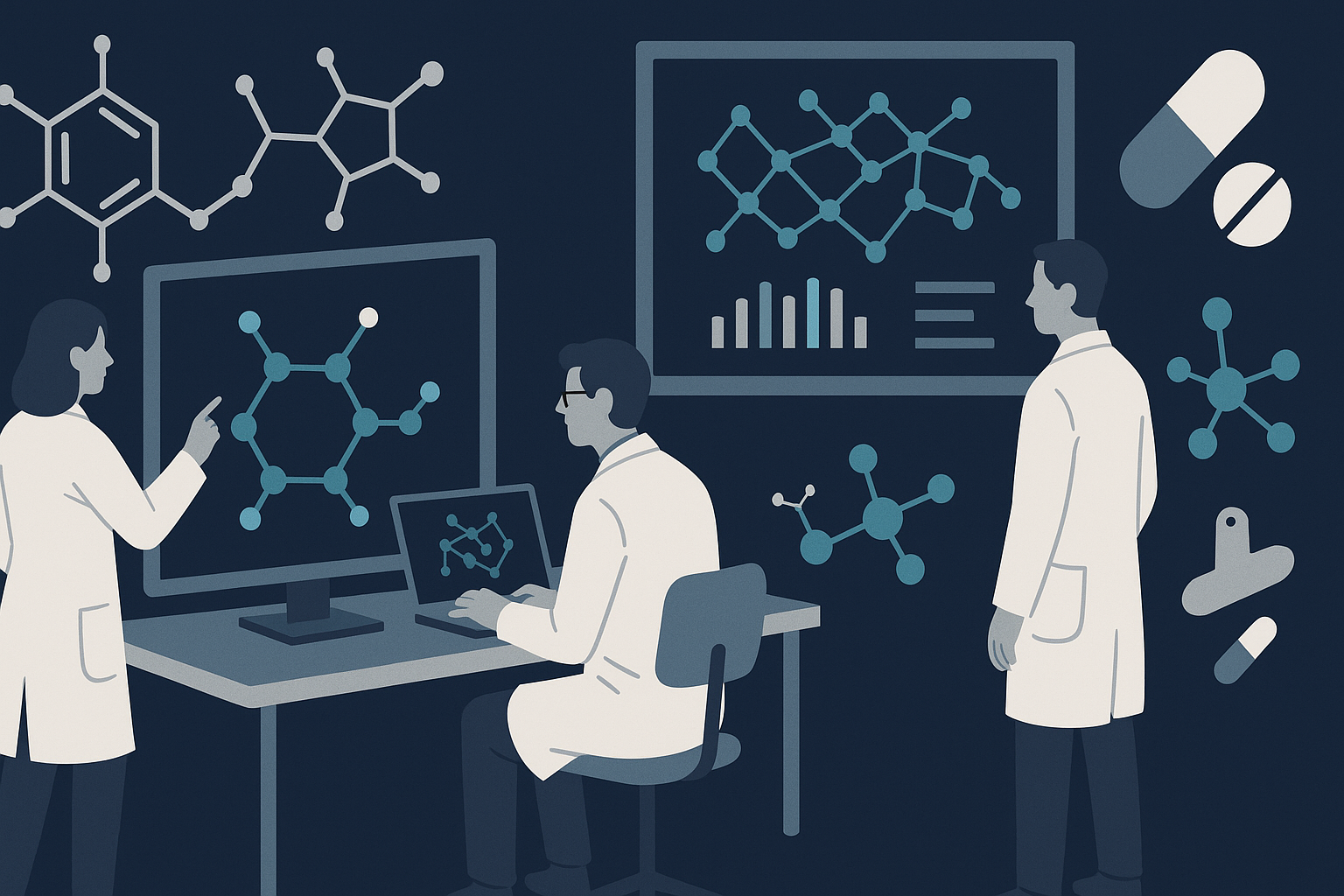
Wockhardt’s Zaynich: A Milestone in Antibiotic Development and AI’s Role
Wockhardt’s Zaynich, India’s first homegrown antibiotic, has received US FDA approval after nearly three decades of development. This achievement highlights the crucial role of AI in accelerating drug discovery and sets the stage for renewed investment in antibiotic research.
-

AI and the Evolution of Trust in Mental Health Support
As AI-driven mental health tools gain popularity, the dynamics of trust are shifting. Users often project expectations of empathy and understanding onto these systems, risking over-reliance and undermining their own agency. Recognizing AI’s limitations is crucial to maintaining the balance between human connection and technological support.
