

Your daily briefing on AI, technology, economics, and society — from q52.ai.
Industry & Economics
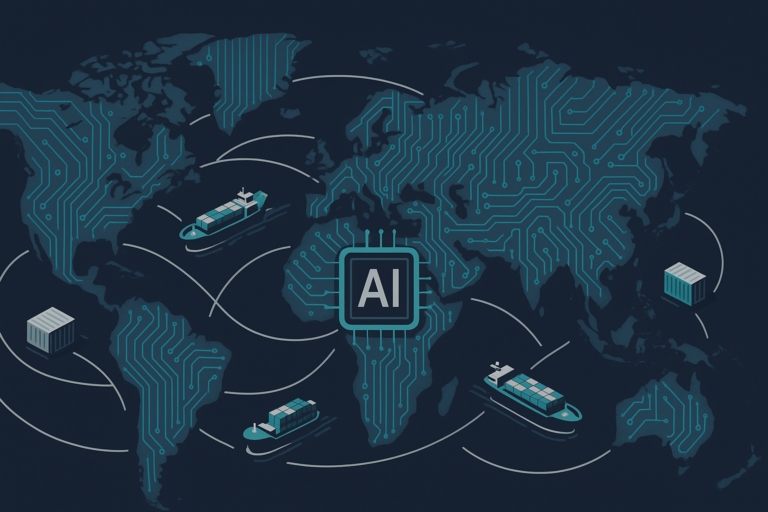
AI and Global Supply Chains: Navigating Disruption and Opportunity
What’s happening: The integration of Artificial Intelligence (AI) into global supply chains is transforming logistics, promising increased efficiency and cost reductions. Recent OECD reports note that AI facilitates real-time data analysis, predictive analytics, and automation, allowing companies to optimize inventory and improve demand forecasting. However, this shift also introduces vulnerabilities like cybersecurity threats and uneven adoption across regions, potentially widening global trade imbalances.
Why it matters: As AI reshapes supply chains, businesses and policymakers must address the accompanying risks and disparities. Without robust regulatory frameworks to tackle cybersecurity and ensure equitable access to AI technologies, countries with advanced capabilities may dominate global markets, leaving others behind. Companies must also invest in workforce upskilling to maintain a balance between technology and human expertise, ensuring resilience in operations.
Our take: The promise of AI in supply chains should not overshadow the historical lessons of technological disruption. A strategic, cautious approach is necessary to prevent exacerbating economic inequalities and to safeguard the human element in these evolving systems.
Tech & Engineering
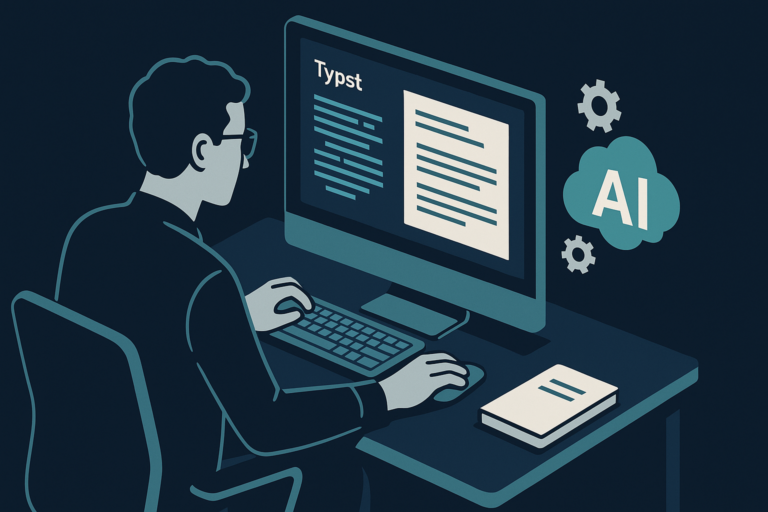
Typst and the Emerging Language of AI-Powered Documents
What’s happening: Typst is a new programming language for document typesetting that modernizes the process by integrating AI capabilities. Unlike traditional languages like TeX and LaTeX, Typst offers a cleaner syntax and allows for dynamic content generation based on the desired output format, which significantly streamlines document creation and formatting tasks.
Why it matters: The rise of Typst indicates a major evolution in document production, particularly in fields that demand accuracy and adaptability, such as academia and technical writing. By automating document creation, Typst can enhance workflow efficiency for software engineers, freeing them to focus on content quality and reducing time spent on manual formatting. Its open-source nature further supports organizations seeking flexibility and transparency, avoiding potential vendor lock-in.
Our take: Typst exemplifies the trend towards AI-enhanced tools in document creation, but it also raises important questions about data privacy and security as AI systems become more prevalent. As organizations adopt these technologies, they must carefully consider the balance between convenience and control, ensuring robust data governance is maintained.
Sciences
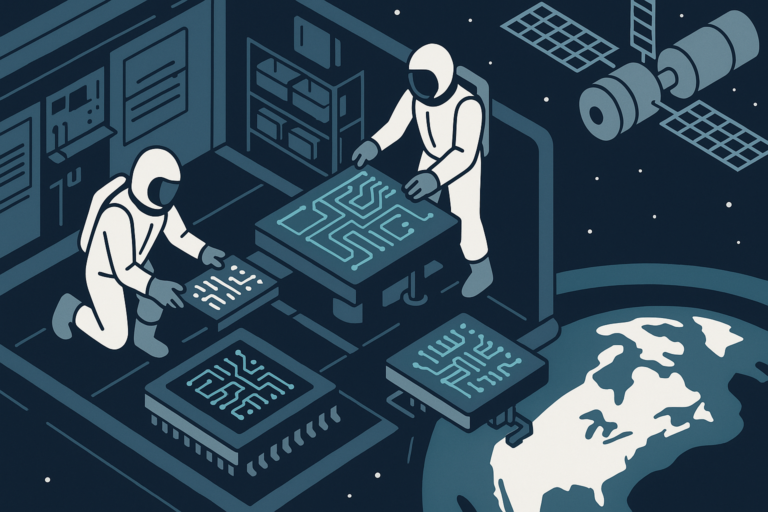
AI-Driven Photonic Chips Tested on ISS for Space Applications
What’s happening: Photonic AI chips, developed by the University of Florida and AIM Photonics, are currently being tested on the International Space Station to assess their performance in space. These chips utilize light for data processing, which enhances speed and reduces heat generation compared to traditional chips. The integration of AI within these chips aims to improve their capabilities for autonomous decision-making and real-time data analysis, critical for future satellite and defense technologies.
Why it matters: Successful testing of these photonic AI chips could revolutionize satellite systems and spacecraft autonomy, particularly for deep-space missions where communication with Earth is limited. This innovation may significantly enhance Earth observation capabilities, benefiting climate monitoring and disaster response. The advancement in processing power and efficiency can lead to more resilient and capable space technologies, ultimately transforming how missions are conducted in the coming years.
Our take: While the potential of photonic AI chips is impressive, the sustainability of their development and maintenance raises concerns. Without a solid funding and support structure, these promising technologies risk becoming obsolete, much like previous innovations that failed to secure long-term viability.
Society
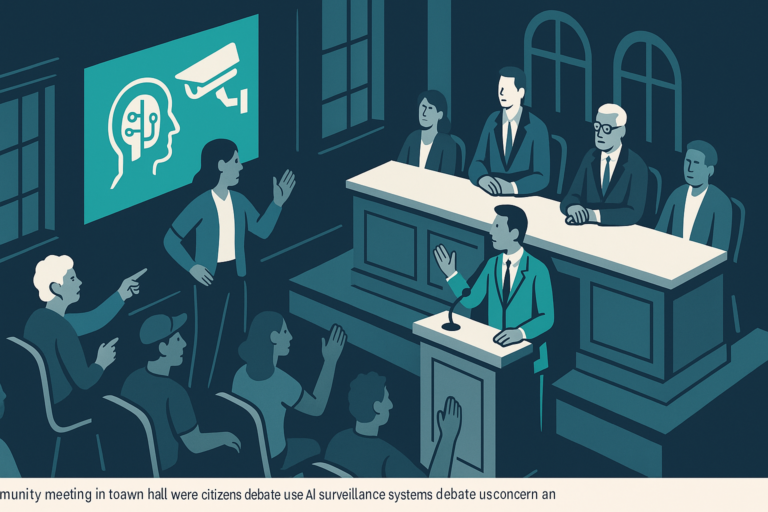
AI and the Erosion of Local Autonomy in Governance
What’s happening: The rise of artificial intelligence is reshaping governance, particularly at the local level, by centralizing decision-making through technologies like predictive policing and facial recognition. These systems often lack community consent, leading to concerns over privacy, transparency, and accountability. Survey data indicates a public divided on AI’s societal effects, highlighting a disconnect between AI implementers and the communities affected.
Why it matters: The integration of AI into governance threatens local autonomy and self-determination, as centralized systems can marginalize community voices. This erosion of trust in institutions that rely on AI for decision-making could have long-lasting impacts on democratic processes and community engagement. Ensuring that local communities have a say in AI deployment is crucial for maintaining their agency and protecting civil rights.
Our take: The challenge lies in balancing technological advancement with the preservation of local governance. As AI becomes more embedded in decision-making, it is essential to advocate for frameworks that prioritize transparency and community involvement, ensuring that AI serves to empower rather than diminish local authority.
Psychology
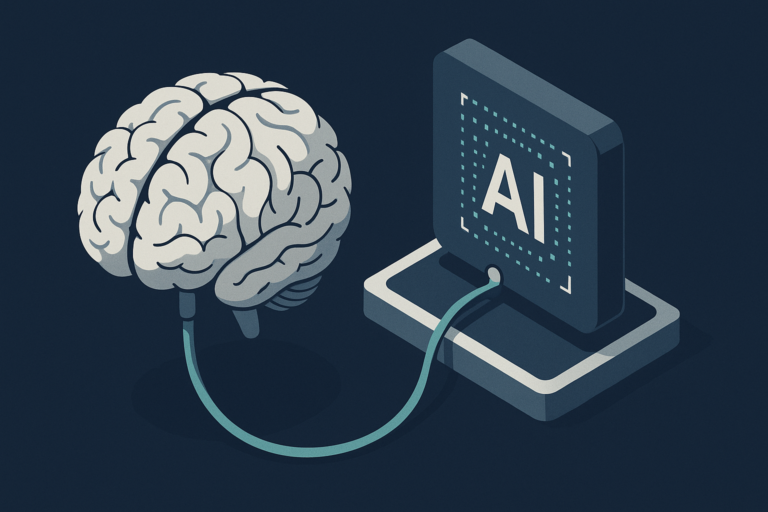
System 0: How AI as External Cognition Challenges Human Autonomy
What’s happening: The concept of ‘System 0’ presents AI as a new layer of external cognition that supports human decision-making without replacing it. This framework, developed by researchers at Università Cattolica del Sacro Cuore, highlights how AI can process large data sets to provide insights that surpass our natural cognitive abilities, while emphasizing that human judgment is still essential to interpret AI outputs accurately.
Why it matters: As AI systems become more integrated into our cognitive processes, there is a risk of diminishing personal agency and critical thinking. The reliance on AI for decision-making could lead individuals to uncritically accept AI-generated solutions, raising ethical concerns about the potential erosion of independent thought and the influence of biased or distorted AI data on our perceptions and choices.
Our take: Balancing the benefits of AI with the need to preserve human autonomy is crucial. It’s essential to establish ethical guidelines that ensure AI enhances rather than undermines our cognitive capabilities, safeguarding our role in interpreting AI-generated information and promoting independent thinking.
That’s the digest for August 10, 2026.
Questions? Reach out at info@q52.ai.
q52.ai — Engineering Better Questions
