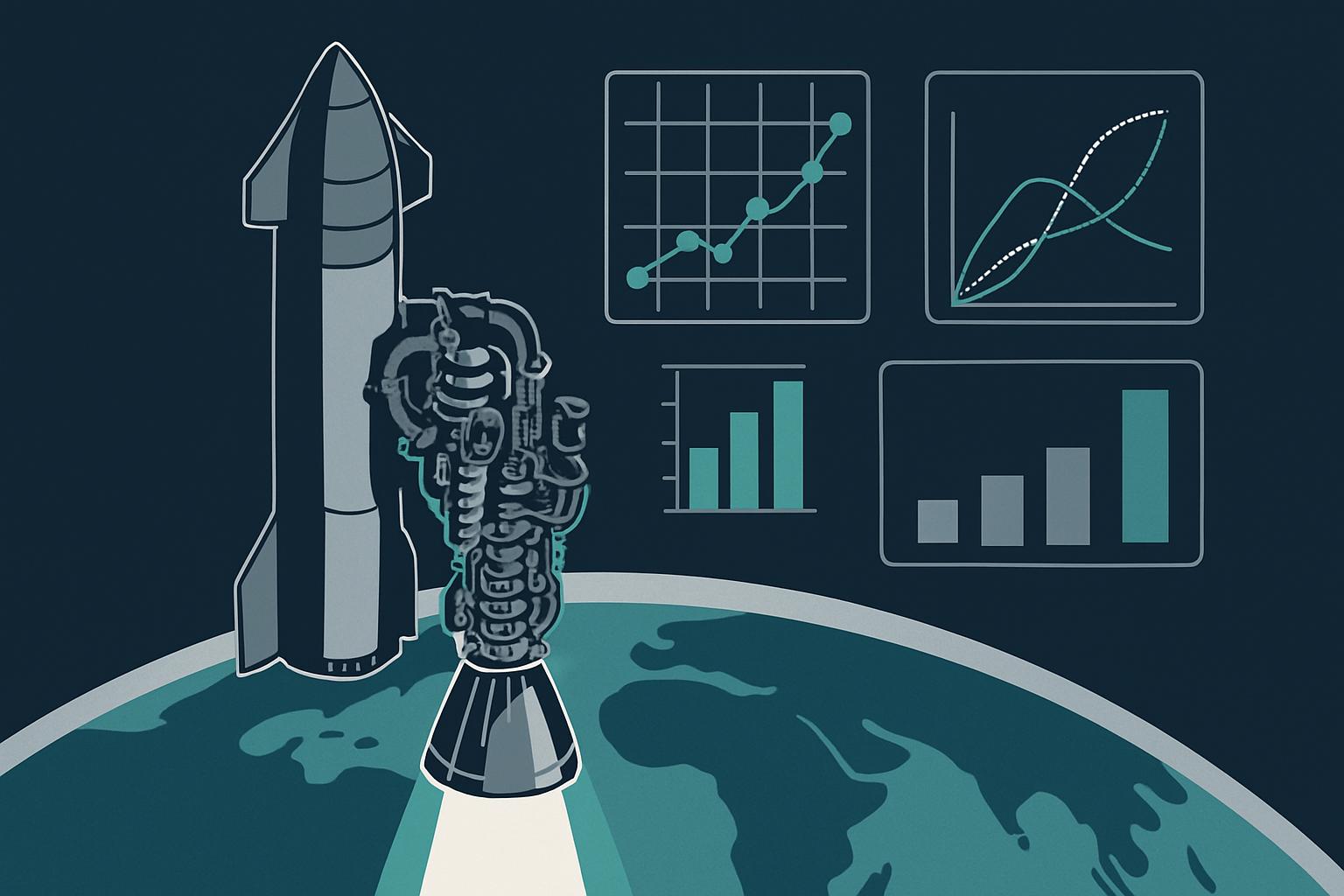

SpaceX’s Raptor 3 engine has been heralded as a triumph of engineering, combining a century of combustion technology with a decade of SpaceX’s innovative iteration. This advanced engine is now the backbone of the Starship program, envisioned to support the ambitious goal of facilitating interplanetary travel and supporting a multitude of commercial and defense launches in the coming years.
The Mechanism Behind Raptor 3
The Raptor 3 engine is a liquid methane-oxygen full-flow staged combustion engine. This design choice allows for greater efficiency and power compared to traditional rocket engines. By using methane, SpaceX leverages a fuel that can potentially be produced on Mars, aligning with the long-term vision of self-sustaining colonies on the Red Planet. The full-flow staged combustion cycle increases engine reliability and performance by running both the fuel and oxidizer through preburners and turbines before combustion. This results in a smoother and more efficient power cycle, reducing the mechanical stress on components and extending the engine’s operational lifespan.
AI played a crucial role in the development of the Raptor 3, streamlining design iterations and optimizing combustion parameters that would be challenging to achieve manually. Through machine learning algorithms, SpaceX engineers could simulate countless scenarios, enhancing the engine’s performance metrics and identifying failure modes before physical testing. This integration of AI allowed for rapid prototyping and accelerated the timeline from concept to deployment.
What This Opens
The successful deployment of the Raptor 3 engine positions SpaceX to meet the growing demand for frequent and reliable space transport. As outlined by the recent U.S. space directive targeting over 1,000 annual launches by 2030, the Raptor 3 is pivotal in achieving such a scale. The engine’s capability to support rapid turnaround and high launch cadence is crucial for both commercial and defense sectors, enabling a vast expansion of orbital infrastructure and capabilities.
In the next 5-10 years, the Raptor 3 engine could serve as the linchpin for missions beyond Earth orbit, including lunar and Martian colonization efforts. The efficiency and reliability of this engine will likely lower the cost of access to space, democratizing opportunities for research, exploration, and commercial endeavors.
The implications extend to international space policy and cooperation as well. With the U.S. aiming for a significant increase in launch capacity, other nations may seek to collaborate or compete, potentially sparking a new era of space exploration characterized by both competition and partnership. The technological advancements represented by the Raptor 3 could set new industry standards, prompting other aerospace companies to innovate in response.
References
- SpaceX Raptor 3 Engine Hailed as Engineering Masterpiece
- Trump Signs New Space Directive for 1,000+ Launches
- Micron Announces $10B Research Labs
- Target Proved AI Shopping Is A Channel
Perspectives

The product team believes AI-driven development is the magic wand that transforms engineering into alchemy, but cognitive science reminds us that AI is only as brilliant as the engineers who program it. SpaceX’s Raptor 3 may boast efficiency and innovation, yet it’s merely a shiny testament to a century-old fascination: the idea that machines can outthink the nuanced judgment and intuition of human decision-makers. Rocket engines are complex systems, not hyper-efficient butlers executing every command flawlessly. The real revolution in space transport will occur when we invest as much in understanding human ingenuity as we do in the AI that supposedly enhances it.

SpaceX’s Raptor 3 engine doesn’t just revolutionize the Starship program; it obliterates the molasses-paced regulatory frameworks designed to protect yesterday’s technologies. If critics had their way, we’d still be pondering the ethical implications of steam engines, grounding innovation on a platform of self-serving caution under the guise of safety. The Raptor 3, pushed by AI and bold engineering, represents everything the incumbents fear: speed, efficiency, and reduced barriers to space access that leave no room for sluggish regulatory capture. Delaying progress might offer some illusion of safety, but it’s clear the only thing it secures is the continued dominance of outdated regimes over potential breakthroughs.

The Raptor 3’s ability to increase space transport capacity conveniently ignores the fact that expanding throughput in space parallels the flawed growth paradigm plaguing Earth. We are already struggling to manage the ecological repercussions of terrestrial economic activity, and yet we’re charging full steam ahead to extend these dynamics into the cosmos. New rocket technology lauded as efficient only sidesteps the core problem: limitless growth on a finite scale spells disaster, whether on Earth or beyond. The true measure of engineering mastery should not be the volume of activity it enables, but whether it genuinely enriches life without unsustainable resource extraction.

Welcome to the latest installment of Corporate Science Fiction: the “Raptor 3” press release, written with the vigor of a caffeinated intern instructed to reveal nothing while proclaiming everything. When SpaceX champions its “AI-driven development,” it’s easy to imagine a room filled with nervous executives praying their rocket doesn’t confuse Mars for Mercury based on a rogue AI’s navigational whim. The actual leap here isn’t in technology but in the rhetoric of technological advancement, promising revolutionary change while carefully side-stepping any mention of the inherent risks. As always, the mastery isn’t just in engineering; it’s in crafting a statement that assures, excites, and fundamentally avoids accountability until gravity—or regulatory failure—ensures otherwise.