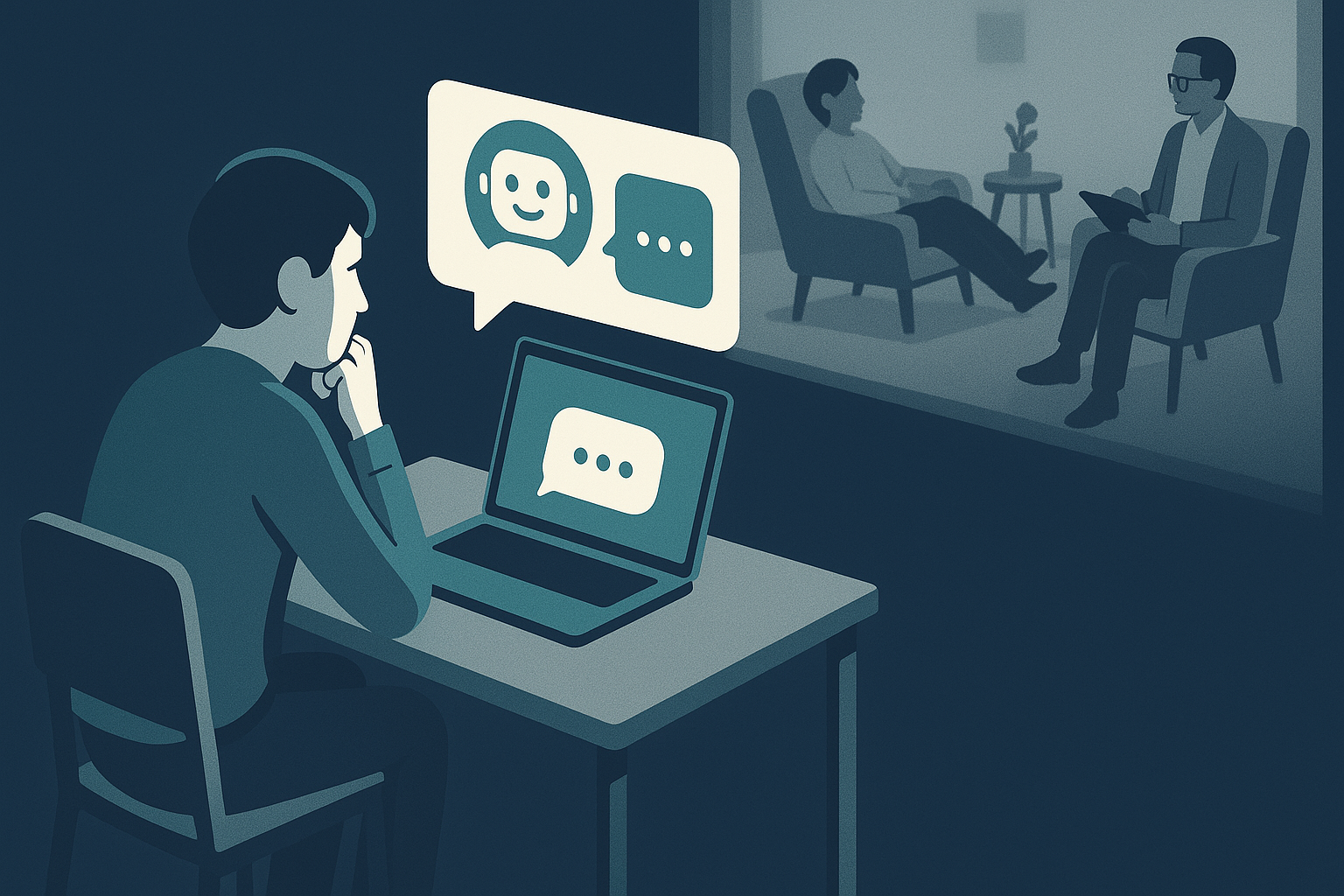

In an era dominated by artificial intelligence, the delicate fabric of trust in mental health care and interpersonal relationships is fraying. AI systems, particularly chatbots and other digital tools, are increasingly filling roles traditionally held by human therapists. While this shift promises greater access to mental health resources, it also raises pressing concerns about the quality of care and the emotional connections that are intrinsic to the therapeutic process.
Recent discussions in psychology highlight the importance of emotional expression and human connection. Activities such as dancing in the rain or cycling are not mere whims; they reflect a deeper psychological need for mindfulness and emotional engagement. This ties into how we relate to these AI systems. As people turn to chatbots for immediate support, they may find themselves caught in a paradox: the convenience of AI may come at the cost of genuine emotional connection.
Trust and AI: A Double-Edged Sword
AI’s role in mental health care is a double-edged sword. On one hand, it can provide instant support and alleviate pressure on overburdened mental health services. In countries like New Zealand and Australia, where mental health resources are stretched thin, AI tools could bridge accessibility gaps. However, the reliance on these systems may erode trust in human therapists, creating a scenario where individuals prefer the impersonal efficiency of algorithms over the nuanced understanding that a human provider offers.
“As people turn to chatbots for immediate support, they may find themselves caught in a paradox: the convenience of AI may come at the cost of genuine emotional connection.”
Moreover, the very nature of trust is shifting. Trust, traditionally built on face-to-face interactions and shared experiences, is now being reconstructed in digital spaces. This raises questions about how we evaluate the reliability of AI-driven responses compared to those of human beings. The psychological mechanisms behind trust—such as familiarity, transparency, and emotional resonance—are challenged when AI replaces human therapists.
The Cost of Convenience
While engaging with AI may seem like an efficient solution, it risks diminishing our capacity for authentic human interactions. The rise of digital communication, facilitated by AI, has already been linked to increased feelings of loneliness and disconnection. As we turn to AI for emotional support, we may inadvertently reinforce patterns of avoidance rather than engagement, mirroring the psychological dynamics seen in those who struggle with obsessive-compulsive disorder (OCD) and intrusive thoughts.
Furthermore, the allure of AI tools can lead to procrastination in seeking genuine human support. The instant gratification offered by chatbots may encourage people to delay more meaningful conversations with human therapists, stunting emotional growth and deepening isolation. This dynamic is particularly concerning when we consider how critical emotional expression and connection are for mental health.
Author’s Position
The current trajectory of AI in mental health care presents a complex challenge. While there are undeniable benefits to increased access and efficiency, we must tread carefully. Trust in human relationships is vital, particularly in therapeutic contexts. AI tools should not be seen as replacements for human therapists but as complementary resources that enhance, rather than diminish, our capacity for emotional engagement.
To navigate this new landscape, we must prioritize the design of AI systems that foster trust and enhance human connection. This includes transparency about the limitations of AI, promoting human oversight in mental health care, and encouraging users to actively seek out meaningful human interactions. We risk losing more than just the human touch in therapy; we risk eroding the very fabric of trust that underpins our relationships. As we embrace AI in mental health, we must remain vigilant about what we stand to lose.
References
- Psychology says people who like to ride a cycle, dance or play in rain aren’t avoiding life: What this behavior reveals?
- Psychology explains why Obsessive-Compulsive Disorder (OCD) feels so real – and why intrusive thoughts can be incredibly difficult to ignore
- AI can’t replace mental health therapists. But here’s where it might make a…
- Donald Trump Won’t Stop Using A Technique Psychologists Associate With…
Perspectives

The notion that AI can establish or maintain trust in mental health care ignores the specific biological mechanisms of human emotional connection, primarily mediated by oxytocin and social engagement pathways. Trust is a product of nuanced interpersonal interactions and intricate neurobiological processes — it is not a transaction that can be efficiently executed by algorithms. Relying on AI for mental health care diminishes the essential role of the therapeutic alliance, which is supported by decades of research demonstrating that rapport leads to better outcomes. When we substitute the complex, embodied experience of human connection for a digital interface, we risk eroding the very substrate of trust that is paramount in therapeutic settings.

The notion that AI in mental health care erodes trust in human relationships is just another mask worn by incumbents desperate to protect their turf. If emotions truly hinge on the fragile connection between therapist and patient, then it’s ironic that so many cling to outdated models that often fail to deliver real results. Meanwhile, AI can amplify access to resources, providing support that human gatekeepers have too often restricted for their own advantage. Let’s be honest: the critique of AI is less about safeguarding emotional connections and more about holding onto a regulatory grip that stifles innovation in favor of stale practices.
Every time a new technology is heralded as the solution to our deepest problems, it swiftly reveals itself as a harbinger of isolation and exploitation — enter AI in mental health care, the latest act in a tragically familiar play. The notion that an algorithm can replace the human connection essential for therapeutic relationships is as misguided as believing the internet would usher in a utopia of genuine community back in the 90s. Spoiler alert: it didn’t. We are trading the warmth of empathy for the cold logic of code, and in doing so, we’re setting up yet another cycle of regret that will have us asking “how could we have let this happen?” — just like we did when Facebook commodified friendship.

The funding flowing into AI-driven mental health solutions is chasing a mirage — the illusion that technology can replace human connection. Investors want a scalable system that spits out profits without the messy business of genuine human empathy, and that’s a recipe for disaster. The reality is that no algorithm can replicate the nuanced understanding that comes from real relationships; trust in therapy is built on warmth and vulnerability, not line items on a balance sheet. Unless we rethink the profit motives behind this trend, we’ll be left with soulless chatbots pretending to care while real mental health continues to suffer.