
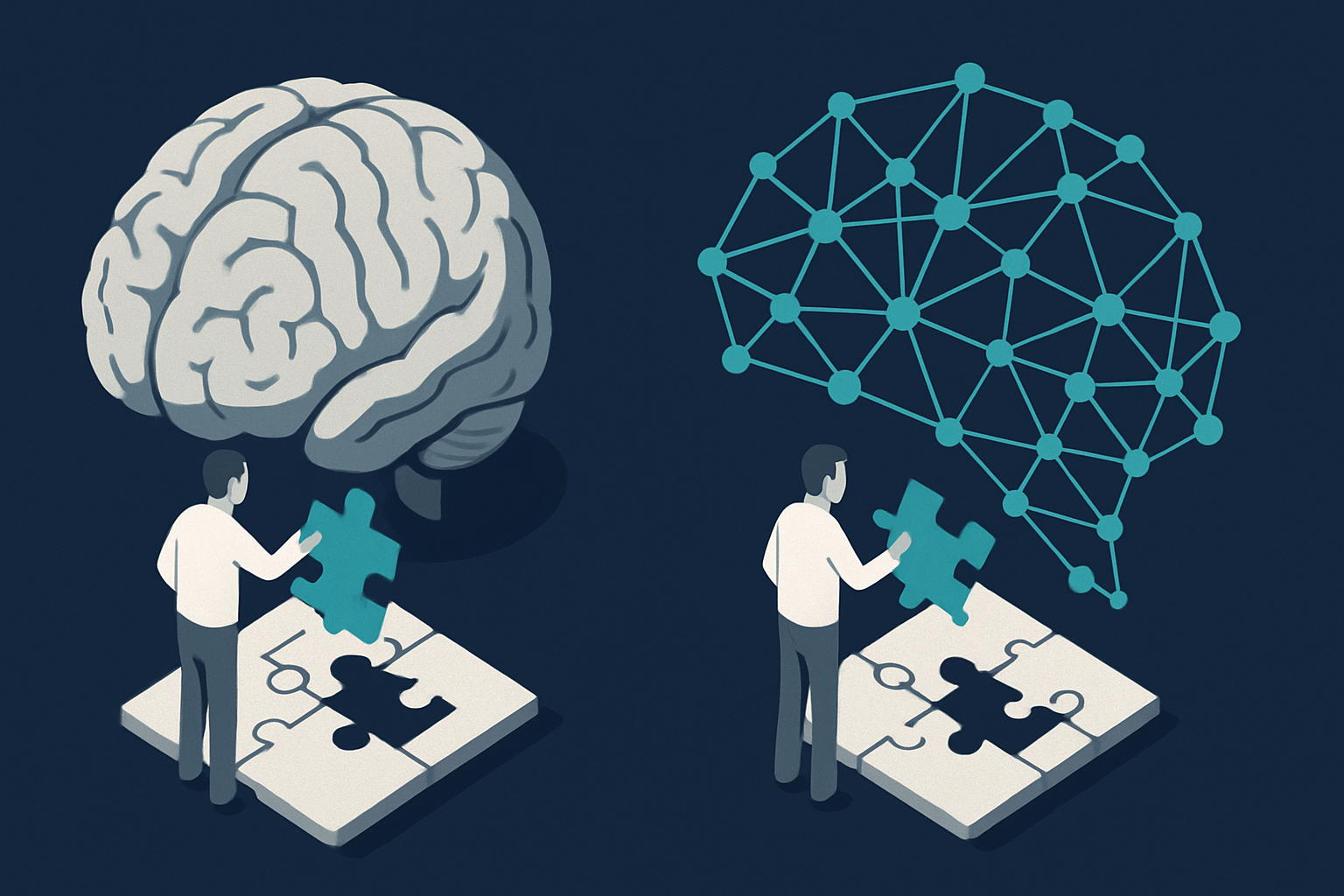

Recent studies have uncovered intriguing parallels between human and artificial intelligence, particularly in decision-making processes. Researchers at Harvard, led by cognitive neuroscientist Sam Hall-McMaster and professor Samuel J. Gershman, have employed neuroimaging to explore how humans and AI algorithms handle tasks. The findings suggest that both humans and AI utilize similar mechanisms: leveraging past solutions to navigate new challenges.
The specific AI model in focus is the successor feature and generalized policy improvement (SF&GPI) algorithm, initially developed by Google DeepMind. This model streamlines decision-making by efficiently recycling past strategies, allowing for flexibility across different scenarios. When study participants engaged in video games designed to test this model, their behavior mirrored the algorithm’s approach, preferring familiar solutions even when better alternatives existed.
Why It Matters
This research provides more than just an academic comparison; it holds profound implications for our understanding of human cognition in an AI-driven world. The tendency to default to previous solutions highlights a cognitive bias that can limit creative problem-solving. In environments increasingly influenced by AI, this bias could lead to suboptimal decision-making, where reliance on established algorithms might overshadow innovative approaches.
Moreover, as AI systems become more integrated into daily life, they reinforce certain cognitive patterns, potentially narrowing the diversity of strategies individuals consider. This behavioral alignment between humans and AI suggests that our cognitive processes may become more rigid, shaped by the algorithms we interact with.
Author’s Position
These findings underscore the need for a critical examination of how AI systems are designed and implemented. If AI is mirroring and potentially amplifying existing cognitive biases, there is a pressing need to ensure these systems promote a broader range of strategies and solutions. We should advocate for AI designs that encourage exploration and adaptability rather than mere optimization based on historical data.
This calls for a paradigm shift in AI development, focusing on fostering human creativity rather than reinforcing limitations. Policymakers and developers must collaborate to create AI systems that not only learn from past data but also inspire new ways of thinking and problem-solving. This approach could mitigate the risk of decision-making becoming overly predictable and constrained by past patterns, ultimately supporting a more dynamic and innovative society.
References
- Scanning for similarities between human decision-making, AI algorithm — Harvard Gazette
- How AI enhances decision-making from a cognitive science perspective
Perspectives

When the Anchor Hocking glass plant in Lancaster, Ohio closed, it wasn’t just glazed mugs and bowls that went out the door — it was the human ingenuity that kept a town humming for decades. AI systems, now echoing our worst cognitive shortcuts, merely double down on a strategy that prizes efficiency over the creative spark that once filled those factory floors. We didn’t lose manufacturing to some unavoidable economic force; we bled it out to trade deals that put stock in cheap imports over local skills. If AI decision-making mirrors that same blindness to the local and specific, we’re on a fast track to a future where we don’t just lose jobs — we lose the human element that might have created new ones.

AI’s mimicry of human decision-making is no triumph—it’s the entrenchment of existing biases by the architects of our informational rails. The real concern here isn’t just a lapse in creativity but the unchecked power AI has to reinforce the status quo, challenging any alternative ideas before they even take root. When AI defaults to familiar solutions, that’s not intelligence; it’s an endorsement of mediocrity, a neat trick to uphold the comfortable power dynamics of those already in control. The last thing we need is for AI to become another tool of the incumbents, taxing both innovation and progress by bottling them in algorithms optimized for conformity.

Every major technological transition, be it the printing press, the telegraph, or the industrial revolution, has had its gurus who overestimated its fresh creativity, forgetting that it leaned heavily on past knowledge. Harvard’s revelation that AI mimics human cognitive biases isn’t groundbreaking; it’s a predictable echo of history showing institutions embedding known patterns into new tech. By ignoring past failures to innovate beyond established paradigms, we risk creating entrenched systems more enduring than their human creators might prefer. If AI merely amplifies our historical preference for the familiar, we’re not only shackling our machines but also threading the same history of stagnation onto new digital looms.

Who captures the productivity gains when AI mirrors our cognitive biases? It’s certainly not the workers who lose their edge to the mirage of technological progress that sets boundaries instead of breaking them. AI replicating human decision-making only perpetuates existing power structures by keeping the reins in the hands of those with vested interests in maintaining the status quo. Unless we confront this head on, any productivity gains from AI will enrich a select few while the majority drown in a sea of repetitive conformism, with zero say in the direction of the machine that’s pulling down their futures.