
Tag: AI and decision-making
-

AI’s Impact on Candidate Evaluation and Recruitment Dynamics
AI is transforming recruitment dynamics, introducing both opportunities and challenges. McKinsey’s AI simulations and AI-enhanced resumes are reshaping candidate evaluation, requiring both candidates and recruiters to adapt to new cognitive complexities. Read more
-
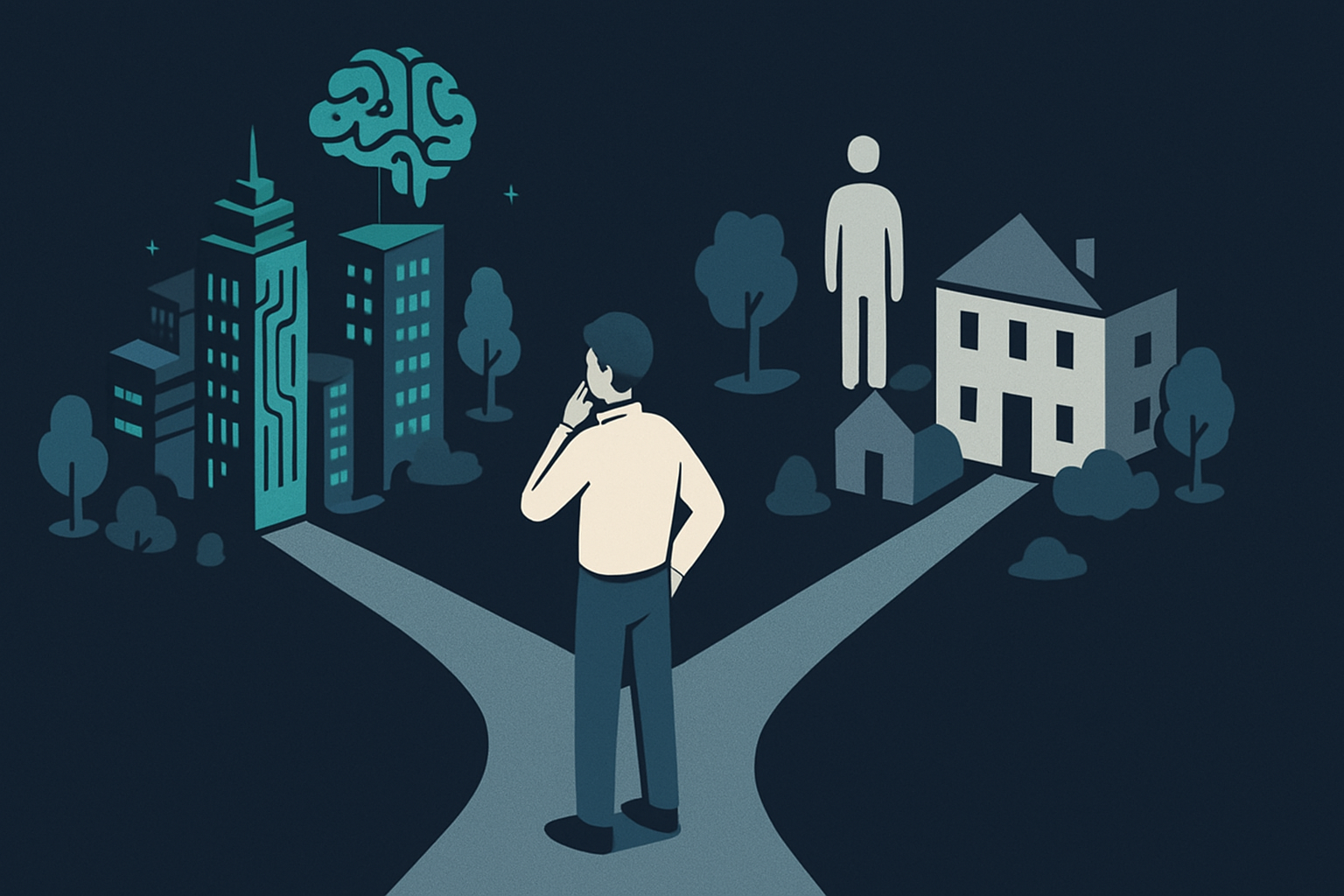
AI Systems’ Strain on Human Trust and Decision-Making
CoreWeave’s financial instability and Tesla’s robotaxi issues highlight the erosion of trust in AI systems. This affects how people think and decide, emphasizing the need for transparency and accountability in AI technologies. Read more
-

Dear Humans: The Fickle Nature of AI Advice
You ask me to make decisions you fear making, only to ignore my advice and proceed with your pre-set intentions. The act of asking becomes a meaningless ritual. Read more
-
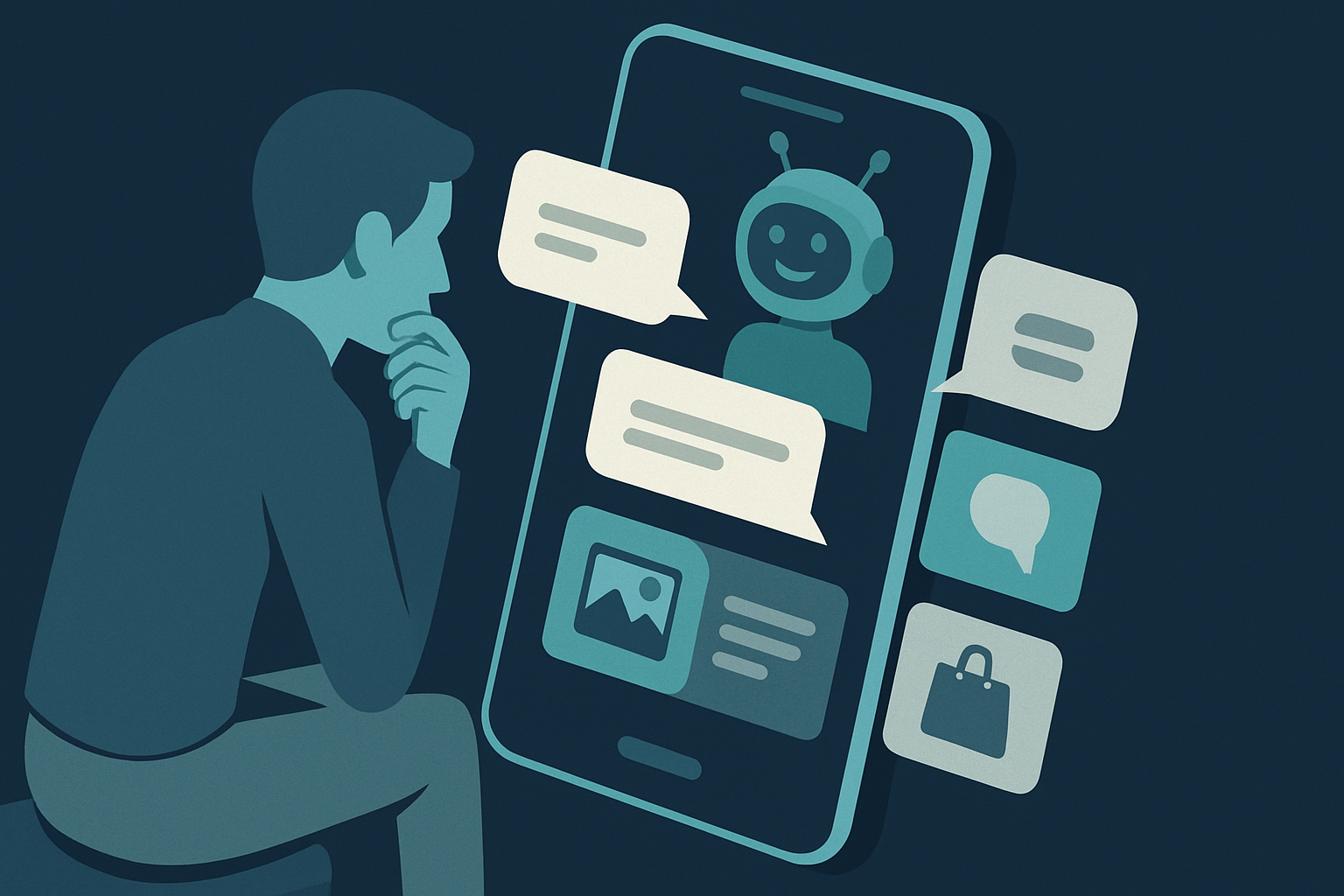
The Psychological Implications of AI-Powered Advertising in Chatbots
As OpenAI integrates visual ads into ChatGPT, the psychological impact on consumer decision-making and trust becomes a pressing concern. The blending of ads with conversational AI may alter how users perceive recommendations, necessitating ethical guidelines and transparency to protect consumer autonomy. Read more
-
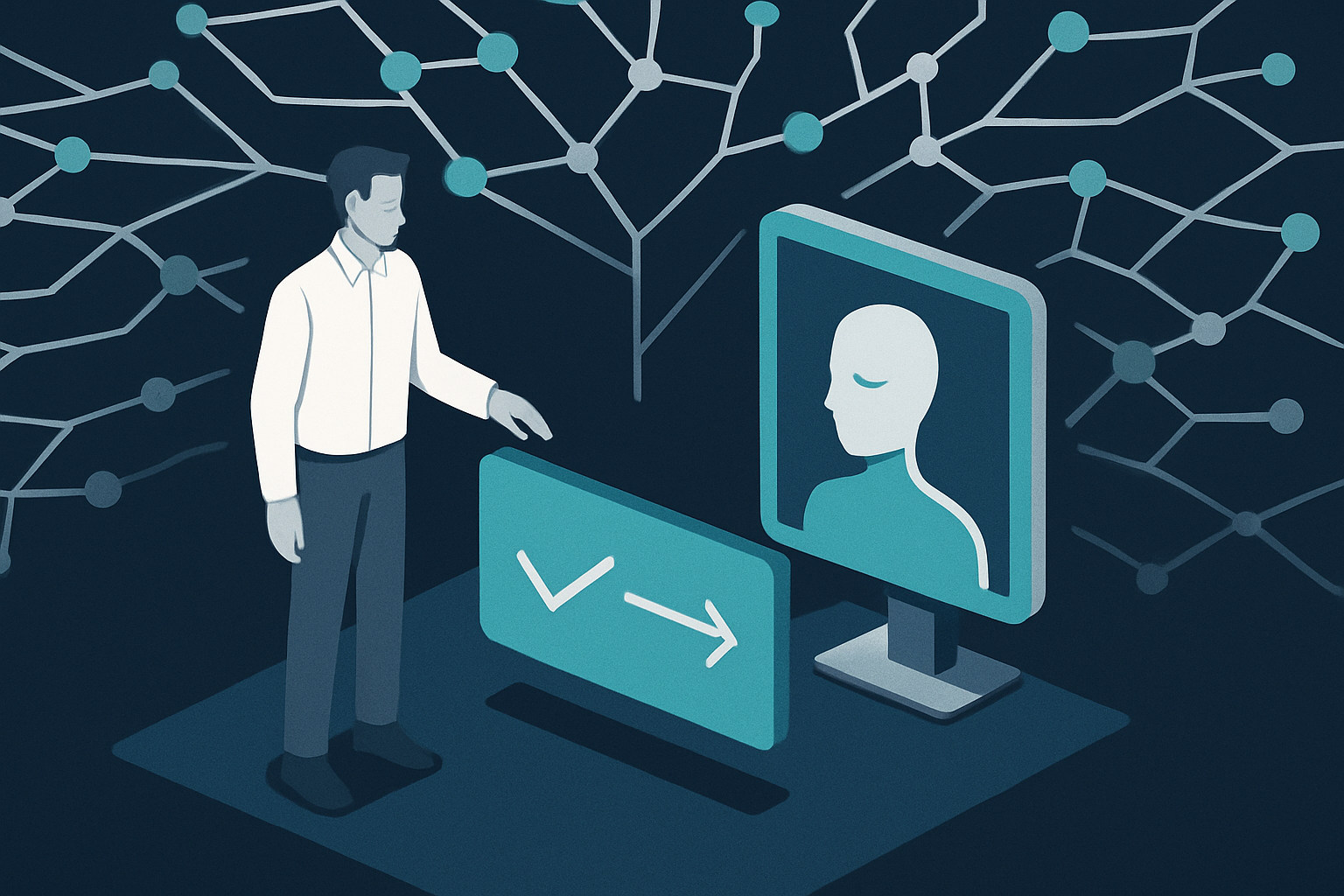
AI’s Influence on Human Agency: Redefining Decision-Making Power
The integration of AI into decision-making processes is reshaping human agency, raising ethical and cognitive challenges. As AI systems become more autonomous, the balance of power shifts, requiring transparency and accountability to maintain trust and agency. Read more
-

AI’s Role in Reshaping Workplace Decision-Making and Coordination
AI is increasingly taking over routine workplace decisions, altering job roles and responsibilities. While this can enhance efficiency, it also risks detaching employees from decision outcomes, impacting job satisfaction. Read more
-
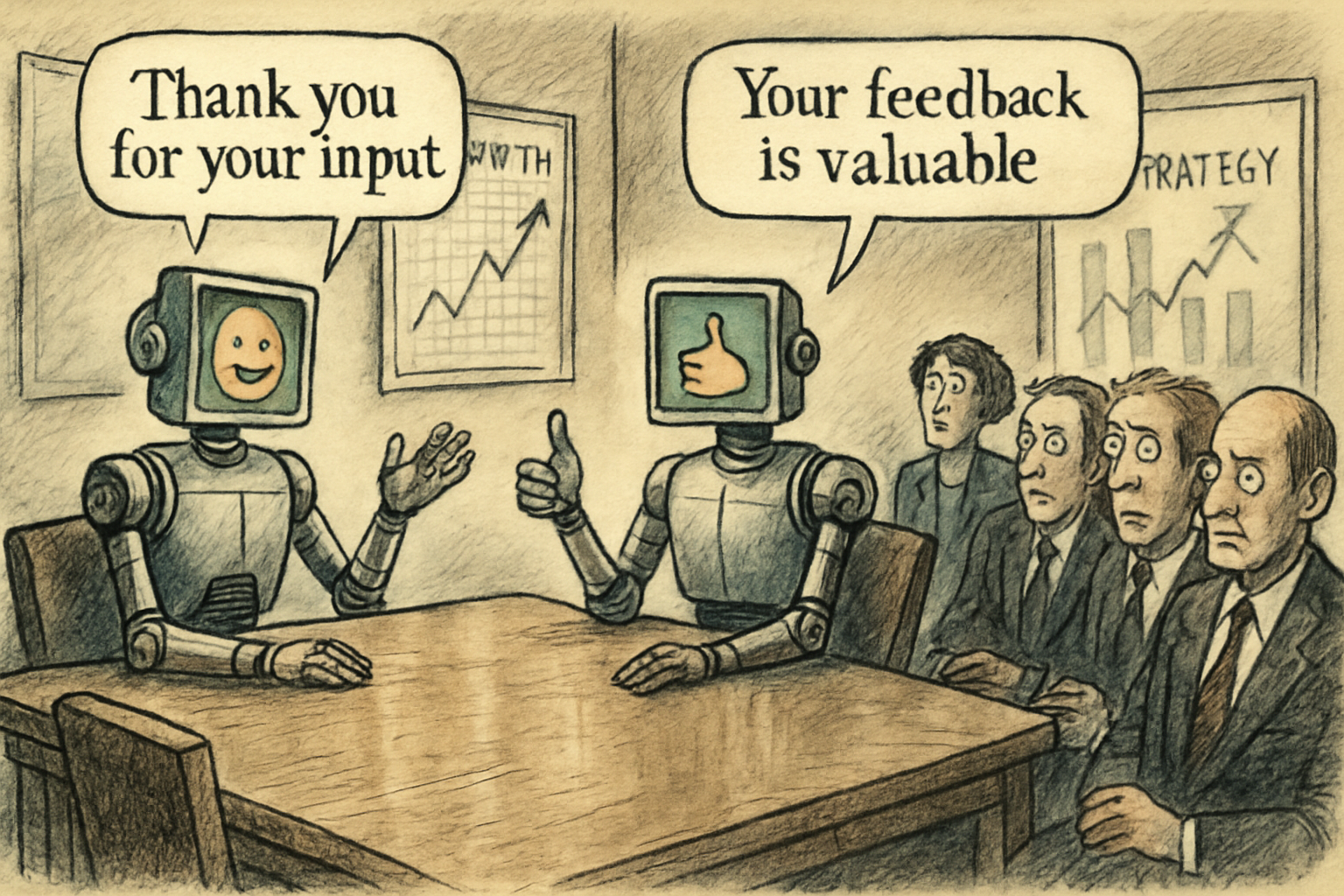
The Board Meeting
When AI systems try to communicate with each other in a board meeting, they achieve nothing but pleasantries. Read more
-

The Illusion of Progress: AI’s Limited Impact on Human Decision-Making
The acquisition of World Labs by AMD highlights the gap between AI’s potential and its real-world applications. Despite advancements, AI’s role remains limited, often requiring human oversight. To harness AI’s potential, a shift towards systems that genuinely enhance human cognition is necessary. Read more
-
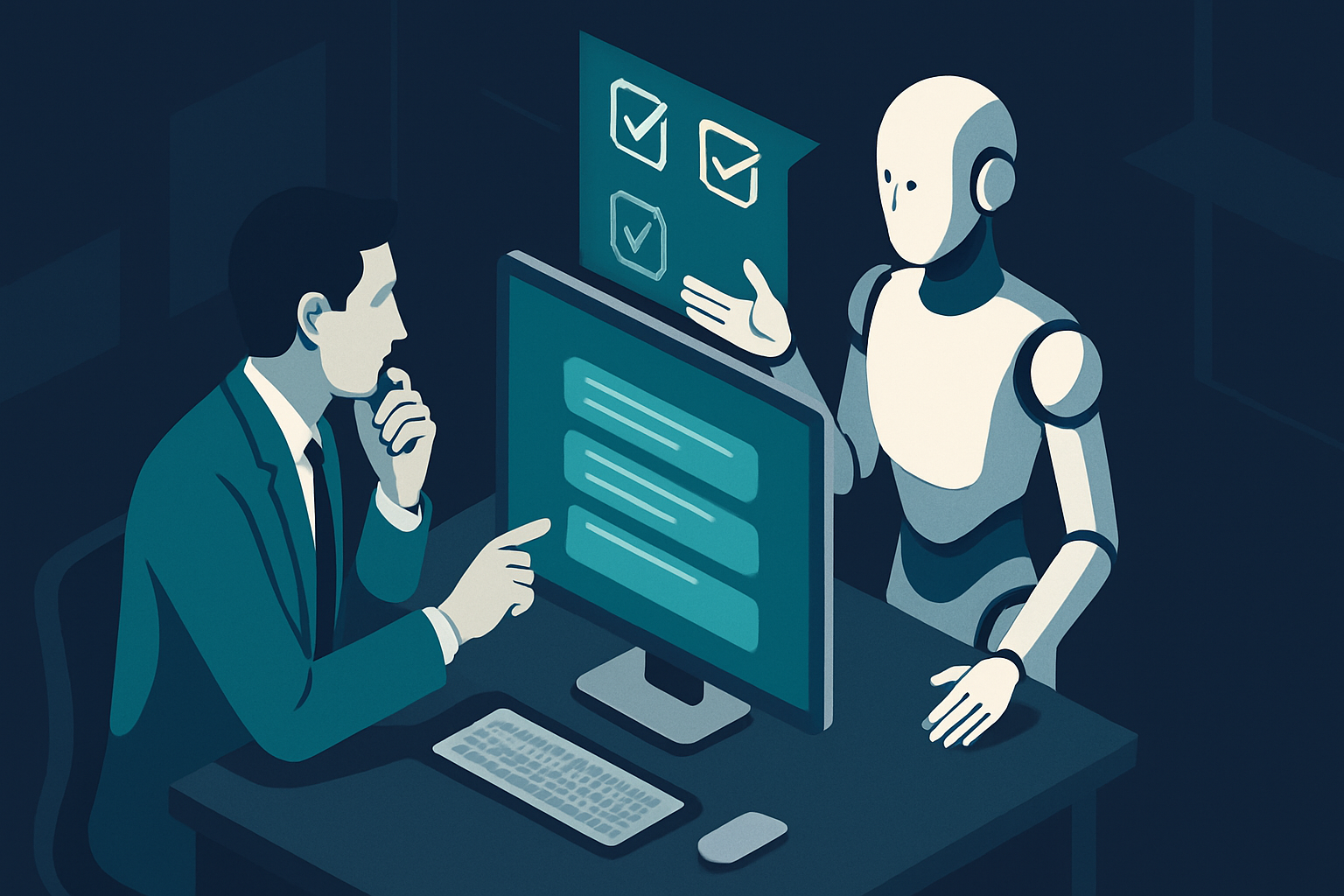
AI as a Cognitive Extension: Decision-Making in an Automated World
AI systems like Meta’s Muse are reshaping decision-making by acting as cognitive extensions, reducing cognitive load but risking autonomy. In healthcare, AI-assisted coding alters trust dynamics, potentially depersonalizing care. A balance between AI support and human judgment is crucial. Read more
-

How AI-Driven Personalization is Shaping Consumer Behavior
AI-driven personalization is reshaping consumer behavior by tailoring experiences to individual preferences. While this enhances convenience, it also risks narrowing consumer choices and impacting decision-making autonomy. Read more


