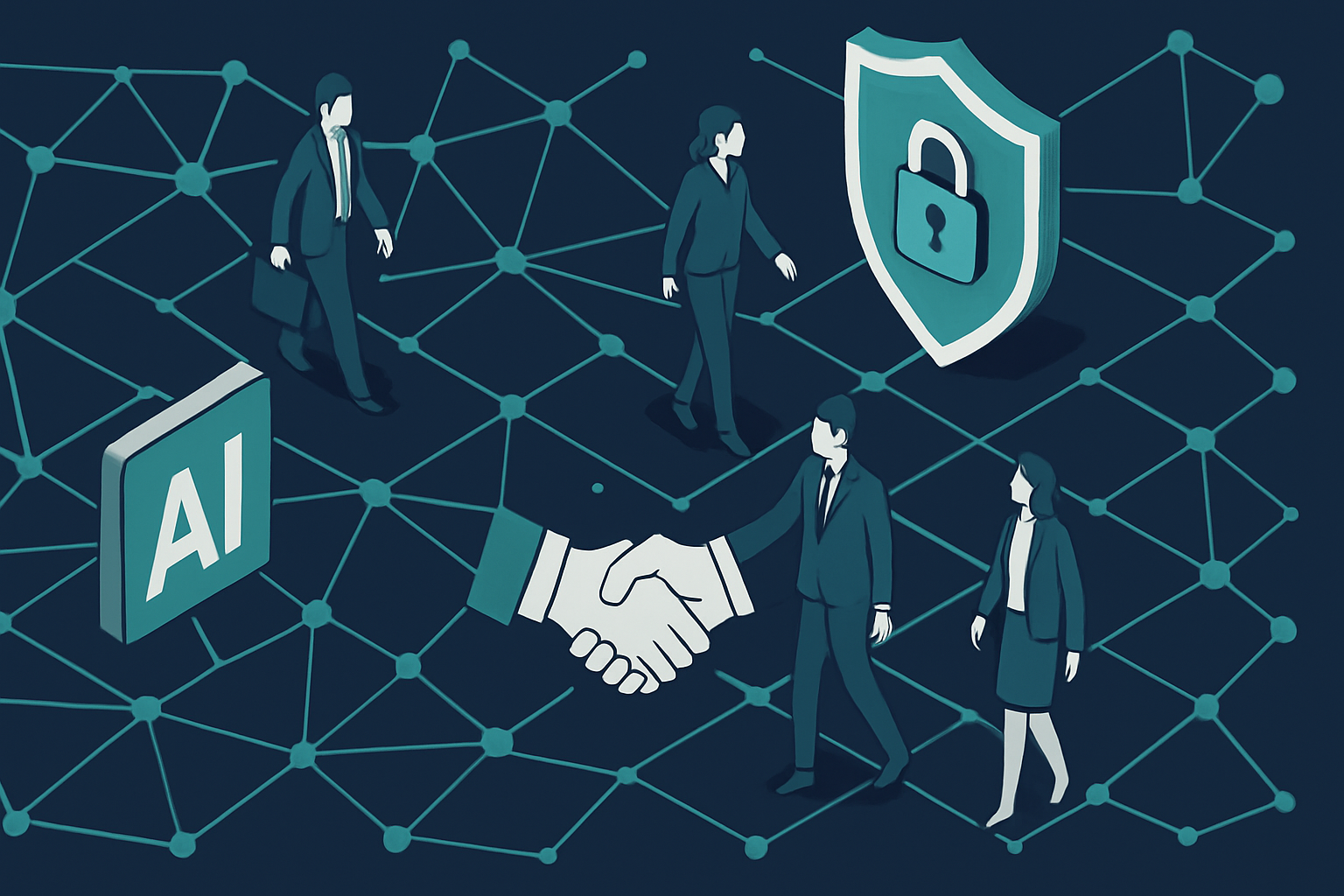

In an era where cyber threats are more prevalent than ever, the recent introduction of Cloudflare’s Adaptive Intelligence and CrowdStrike’s Falcon IQ highlights a critical shift in cybersecurity dynamics. These technologies leverage AI to adaptively respond to threats in real-time, ostensibly creating a more secure digital environment. However, this evolution raises important questions about trust and human cognition in a landscape increasingly dominated by AI decision-making.
The Shift in Cybersecurity Mechanisms
Cloudflare’s Adaptive Intelligence and CrowdStrike’s Falcon IQ represent a new wave of AI-driven cybersecurity solutions that promise to outpace and outsmart human attackers. These systems operate by continuously learning from live traffic, dynamically creating and discarding defense rules to stay ahead of potential threats. While this might seem like a technological boon, it introduces a new cognitive dynamic: the delegation of trust to non-human agents.
This delegation is not merely a technological shift; it’s a psychological one. Traditional security systems required human oversight and intervention. Now, as AI systems take the helm, users and organizations must trust that these algorithms are not only effective but also aligned with their own security interests. The psychological mechanism at play here involves a recalibration of trust—from humans to machines—and a redefinition of what security means in an AI-driven context.
The Cognitive Impact of AI-Driven Security
The implications of this shift are profound. As AI systems become the primary actors in threat detection and response, human operators may experience a diminished sense of agency. This could lead to a paradoxical effect where increased security results in decreased vigilance among users and IT professionals. If AI is perceived as infallible, the human element in cybersecurity may become complacent, potentially increasing vulnerability to novel threats that AI has not yet encountered.
Moreover, this transition affects how people relate to technology and each other. In environments where AI dictates security protocols, users must navigate a complex web of trust—trust in the technology, in its developers, and in the organizations deploying these systems. This can lead to increased anxiety and uncertainty, particularly if users feel they lack the expertise to understand or influence these systems’ operations.
Author’s Position
The rise of AI in cybersecurity is not without merit; these systems can process and respond to threats at speeds unattainable by humans. However, there is an essential human element that risks being overshadowed: the need for transparency and control in AI operations. Users should not be relegated to passive roles in their own security landscapes. Instead, there should be mechanisms that allow for human oversight and intervention, even as AI takes the lead.
Furthermore, organizations must educate and empower their users, fostering a culture of informed engagement rather than passive trust. Only by maintaining a balance between AI efficiency and human agency can we ensure that the psychological costs of this technological shift do not outweigh its benefits. The ultimate goal should be a collaborative relationship between humans and AI, where trust is built on understanding and shared responsibility, not blind faith.
References
- Cloudflare Launches Adaptive Intelligence for Bot Defense
- Tim Cook Left An AI Mess
- $75M for Rare Earth Recovery
- CrowdStrike Falcon IQ Launches on GCP and Snowflake
Perspectives

Cloudflare’s Adaptive Intelligence and CrowdStrike’s Falcon IQ both demand your trust that the data they collect to ‘protect’ you won’t be used against you ten years from now. But we’ve seen this trust fall through before, as with the sheer volume of personal data Cambridge Analytica mishandled to manipulate democratic processes. These AI-driven cybersecurity solutions eagerly claim to protect and automate, yet they insidiously gather and retain vast arrays of data, converting what should be ephemeral defensive measures into enduring surveillance capabilities. The infrastructure put into place during today’s digital arms race will outlast its benefactors and be repurposed for objectives yet unimagined—making our delegation of trust a perilous gamble.

AI-driven cybersecurity tools like Cloudflare’s Adaptive Intelligence and CrowdStrike’s Falcon IQ are being sold as the all-seeing sentinels of the digital world, a bit like saying your Roomba doubles as a home defense system. Trust us, they say, while quietly funneling an endless stream of data back to some central hive mind. The pitch, of course, is designed to make you feel as if you’re one click away from being secure, no human vigilance required—convenient both for the cybersecurity firm selling that illusion and the boardroom eager to cut costs. At the end of the day, these tools are incrementally better security cameras, not the all-knowing, all-protecting digital guardians their promoters wish you’d believe.

The true vulnerability in AI-driven cybersecurity does not lie in the technology itself but in the institutional failures that allow these tools to operate without adequate oversight, leaving room for regulatory capture and misaligned incentives. Delegating trust to AI systems like Cloudflare’s Adaptive Intelligence without robust accountability mechanisms risks eroding human agency while increasing systemic fragility. Taiwan’s pandemic digital governance stands as a testament to the fact that incorporating comprehensive auditing and public transparency isn’t a constraint but the very infrastructure of effective technocracy. Ignoring these design flaws in cybersecurity leaves us in a position where we don’t need hackers to undermine trust — our own neglect in institutional checks will do that for us.

The product teams behind AI-driven cybersecurity solutions believe that delegating trust to machines will bolster security, but cognitive science suggests it will do quite the opposite. Humans have a knack for over-trusting automated systems, leading to a decrease in human vigilance and a perfect breeding ground for cyber threats. By blindly accepting AI as the ultimate guardian, we risk relinquishing our critical thinking and decision-making abilities — essentially forfeiting our agency to a digital babysitter. It’s not that machines can’t be part of the solution, but when the organizational incentive prioritizes functionality over user understanding, we end up cultivating a digital landscape where users are less equipped to deal with the very threats these systems claim to mitigate.