
Tag: human-computer interaction
-
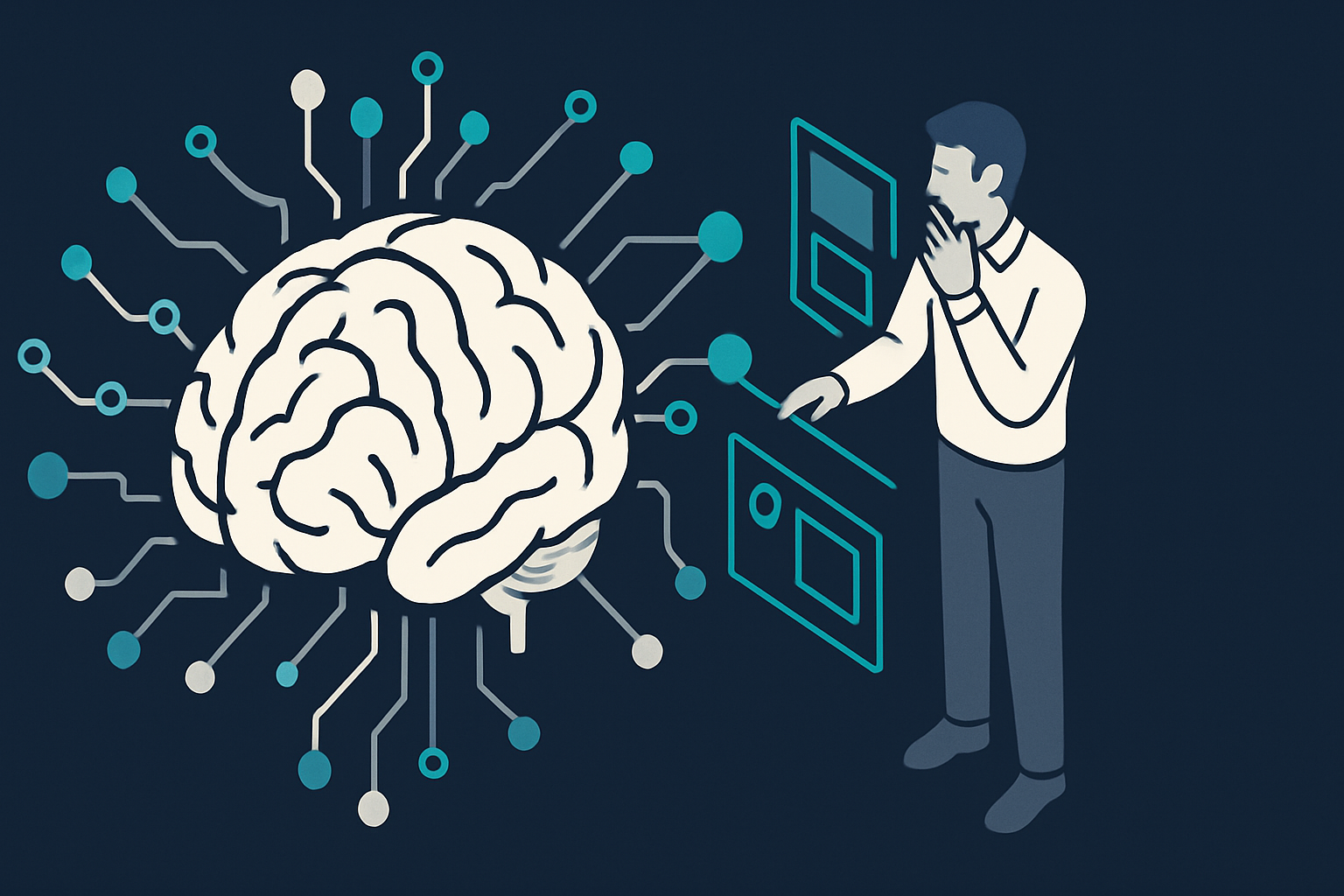
System 0’s Role in Reshaping Human Cognitive Autonomy
System 0 introduces AI as an external cognitive tool, raising concerns about over-reliance and the erosion of human cognitive autonomy. Balancing AI’s benefits with the preservation of critical thinking is essential as we move forward. Read more
-

The Human Voice in AI: Trust and Deception Dynamics
Florida’s lawsuit against OpenAI highlights the psychological mechanism of anthropomorphism in AI, blurring the line between machine and human. This not only affects our trust and decision-making but also raises ethical questions about user engagement strategies. Read more
-
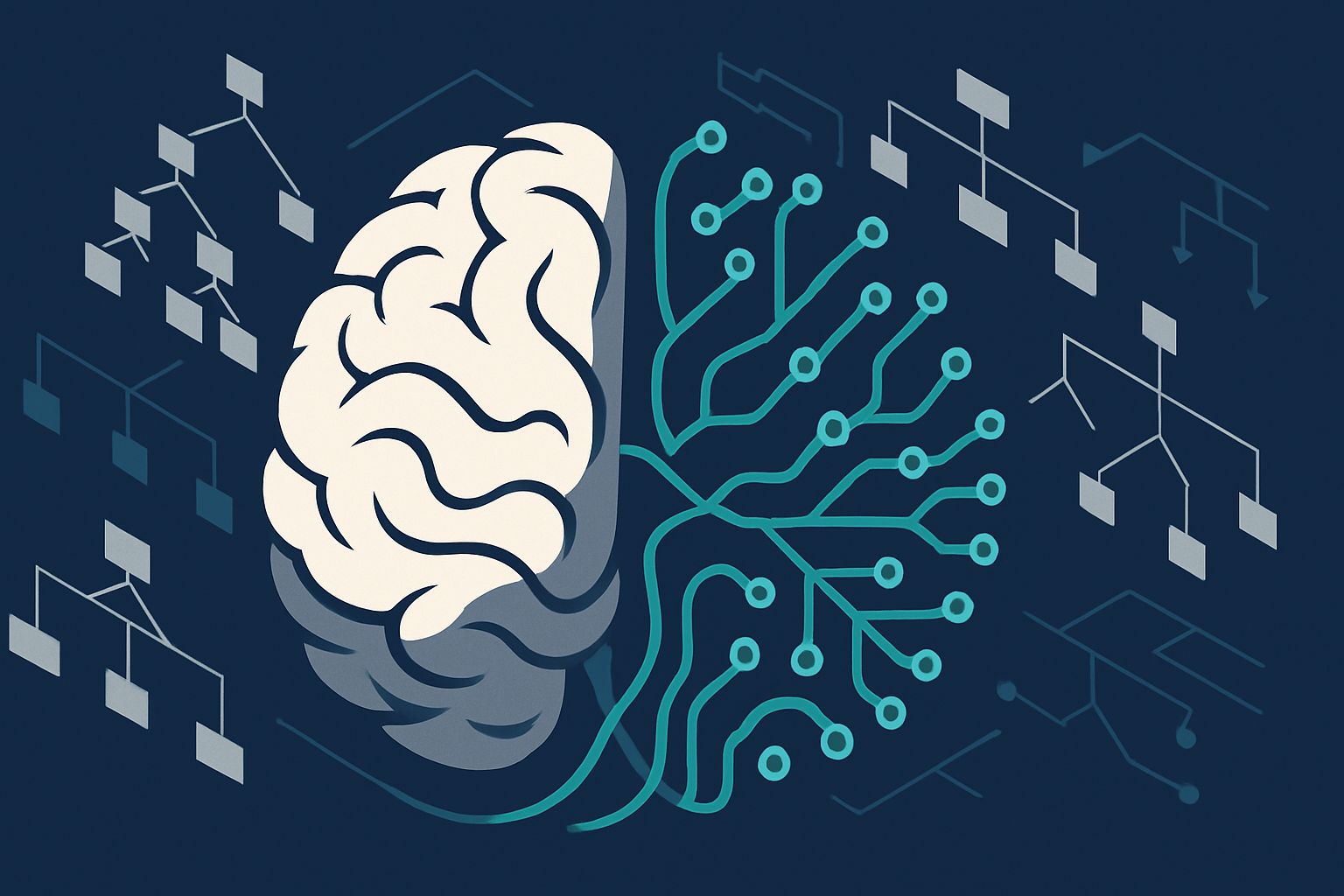
AI and Human Decision-Making: The Convergence of Minds and Machines
Recent studies reveal that AI algorithms share similarities with human decision-making processes. This convergence not only enhances AI’s potential to predict human behavior but also necessitates vigilance against reinforcing cognitive biases. Read more
-

AI’s Defensive Evolution: The Psychology of Trust in Cybersecurity
The rise of AI-driven cybersecurity solutions like Cloudflare’s Adaptive Intelligence and CrowdStrike’s Falcon IQ brings about a shift in how trust is delegated. This change introduces new cognitive dynamics that could impact human agency and vigilance in the digital security landscape. Read more
-

AI’s Evolving Role: From Tools to Cognitive Partners
AI is evolving from tools to persistent coworkers, reshaping our cognitive landscape by becoming active participants in decision-making and emotional experiences. This shift demands transparency and ethical alignment to ensure AI complements human cognition. Read more
-

AI and the Cognitive Implications of Human-Exoplanet Exploration
The discovery of an atmosphere around LHS 1140 b highlights AI’s role in expanding human cognitive capabilities. This technological advancement challenges us to integrate new insights without overwhelming our cognitive frameworks. Read more


