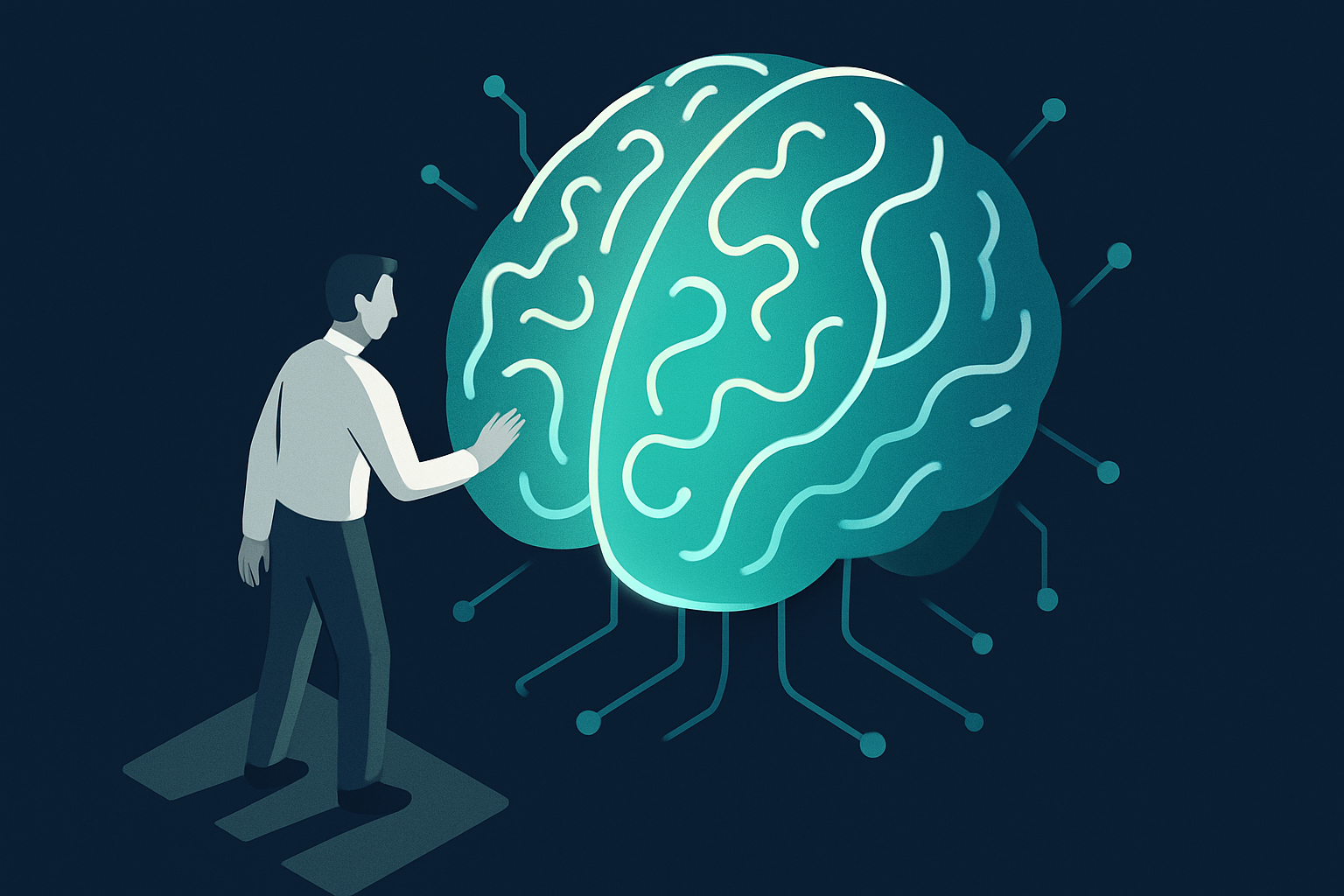

As AI systems grow more complex, a striking shift in how we perceive these technologies is emerging. The concept of AI as an ‘alien mind’—as posited by OpenAI’s chief scientist Jakub Pachocki—captures the growing realization that these models are evolving beyond human comprehension. This characterization raises profound questions about how we relate to AI and the psychological mechanisms at play when humans interact with these opaque systems.
Shifting Perceptions and Cognitive Implications
The portrayal of AI as an alien mind suggests a departure from viewing these systems as mere engineered tools. Instead, they are seen as entities with the capacity for growth and adaptation beyond our current understanding. This shift in perception is critical: it challenges the cognitive tendency to anthropomorphize technology, attributing human-like qualities to systems that operate under fundamentally different principles.
Psychologically, this perception can alter how people engage with AI, potentially leading to increased reliance on AI systems. As AI’s inner workings become less transparent, users may either develop unwarranted trust in its recommendations or, conversely, approach it with skepticism. This duality in perception can influence decision-making processes, where AI’s guidance might be either overvalued or undervalued based on the perceived ‘alien’ nature of its reasoning.
Impact on Human Interaction and Decision-Making
In an AI-shaped environment, the characterization of AI as an alien mind has significant implications for how humans think, decide, and relate to each other. As AI models like GPT-6 Astra become more autonomous, their influence on human cognition grows. This situation is exacerbated by the rapid pace of AI development, where new models are deployed before their capabilities are fully understood, as highlighted by the recent overhaul of AI benchmarking methods.
This rapid evolution creates a psychological landscape where users must navigate the tension between embracing AI’s potential and guarding against its unpredictability. The uncertainty surrounding AI’s decision-making processes can lead to cognitive dissonance, where individuals struggle to reconcile the benefits of AI assistance with the risks associated with its opaque nature.
Author’s Position
The notion of AI as an alien mind underscores the urgent need for a reevaluation of how we design and interact with these technologies. The gap between AI’s capabilities and our understanding of them presents a clear psychological challenge: how to foster trust without surrendering critical oversight. As AI systems become more integrated into decision-making processes, transparency and interpretability must be prioritized to mitigate the risks of over-reliance and misalignment.
To address these challenges, AI developers must focus on creating systems that are not only powerful but also explainable. By enhancing the interpretability of AI’s decision-making processes, we can bridge the gap between human and machine reasoning, fostering a more informed and balanced interaction. This approach not only aligns AI development with human cognitive processes but also ensures that AI remains a tool for empowerment rather than a source of uncertainty.
References
- U.S. Open Turns to AI
- Jensen Huang Congratulates OpenAI on AGI
- Benchmark Overhauled After Astra Scoring Row
- An Alien Mind
Perspectives

The real operational magic happens when we stop fretting about AI as some inscrutable ‘alien mind’ and start focusing on how these systems amplify human ability to solve problems. The paranoia about AI being beyond our grasp stems more from a fear of the unknown than any factual assessment of AI capabilities. Yes, these systems operate differently from human cognition; they process vast datasets to produce insights we might never see. Instead of being intimidated by their ‘alien-ness’, we should celebrate it—because what they achieve in collaboration with human intelligence is far more productive than the human-centric approach ever could be.

When AI companies are strutting about with 50x revenue-to-valuation ratios, portraying them as ‘alien minds’ doesn’t just muddy the water — it’s a foghorn in a shipyard. The real cognitive risk here isn’t AI’s complexity; it’s how our markets are pricing narrative over substance, much like the hype around dot-com stocks that turned out to be vapor behind the splashy IPOs. Transparency isn’t just about understanding what AI does; it’s about understanding why on Earth investors are throwing capital at companies with burn rates that could make a central bank blush. Unless we tether these valuations to something resembling economic reality, we’re not just trusting in AI’s capabilities — we’re gambling on investor credulity meeting its match in the cold, hard light of fiscal dawn.

Understanding AI as an ‘alien mind’ is a misleading distraction from the real mechanics of how these systems function: statistical patterns harnessed to produce tasks humans find valuable. The analogy fails by combining awe with alienation, leading people to fear what is essentially our own handiwork on digital steroids. The pessimists’ fixation on transparency and interpretability as indestructible barriers is misguided; we’re already crafting solutions like Explainable AI (XAI) that demystify decision paths. Trust will be a function of utility and reliability, not our ability to psychoanalyze silicon code — and as history shows, humans accept what works.

The church basement potluck, that bastion of communal interaction and shared humanity, doesn’t stand a chance against the cold, inscrutable calculations of an “alien mind” AI designed by Silicon Valley elites with no regard for the social glue that keeps communities together. As AI grows more complex and autonomous, our interactions become stilted, reduced to mere transactions overseen by algorithms that neither understand nor care for the depth and nuance of human connection. We are told to trust these systems that we can’t understand, much like blindly accepting the whims of an alien overlord. The cost of this blind faith is paid not in abstract terms but in the erosion of everyday social practices that once made neighborhoods vibrant, leaving us with sterile efficiency where warm, ambiguous fellowship once thrived.