
Tag: predictive policing
-
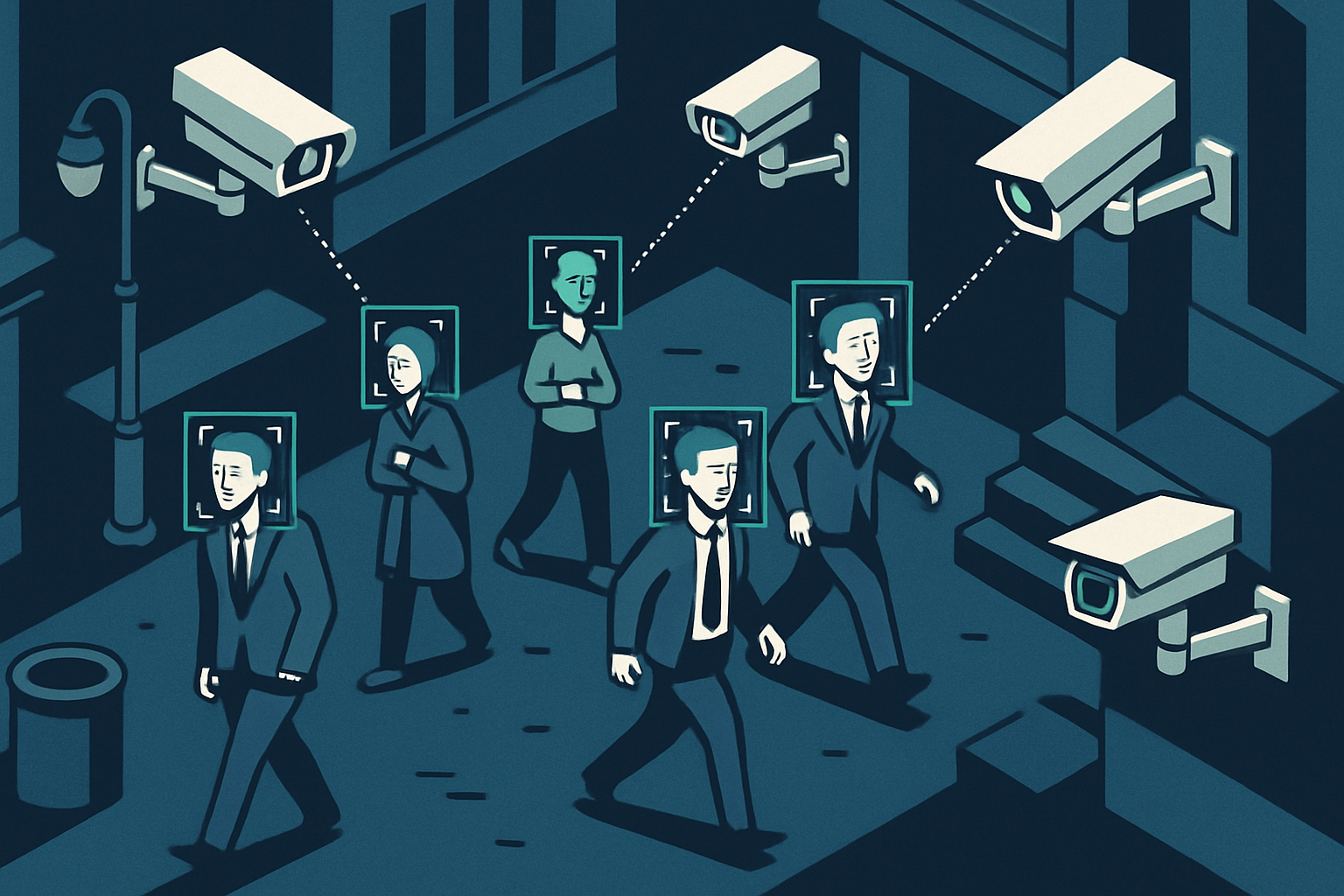
AI Surveillance and the Reconfiguration of Public Space
AI-driven surveillance technologies are transforming public spaces, prioritizing control over community and eroding trust in institutions. Without transparency and safeguards, these tools pose significant risks to civil liberties. Read more
-
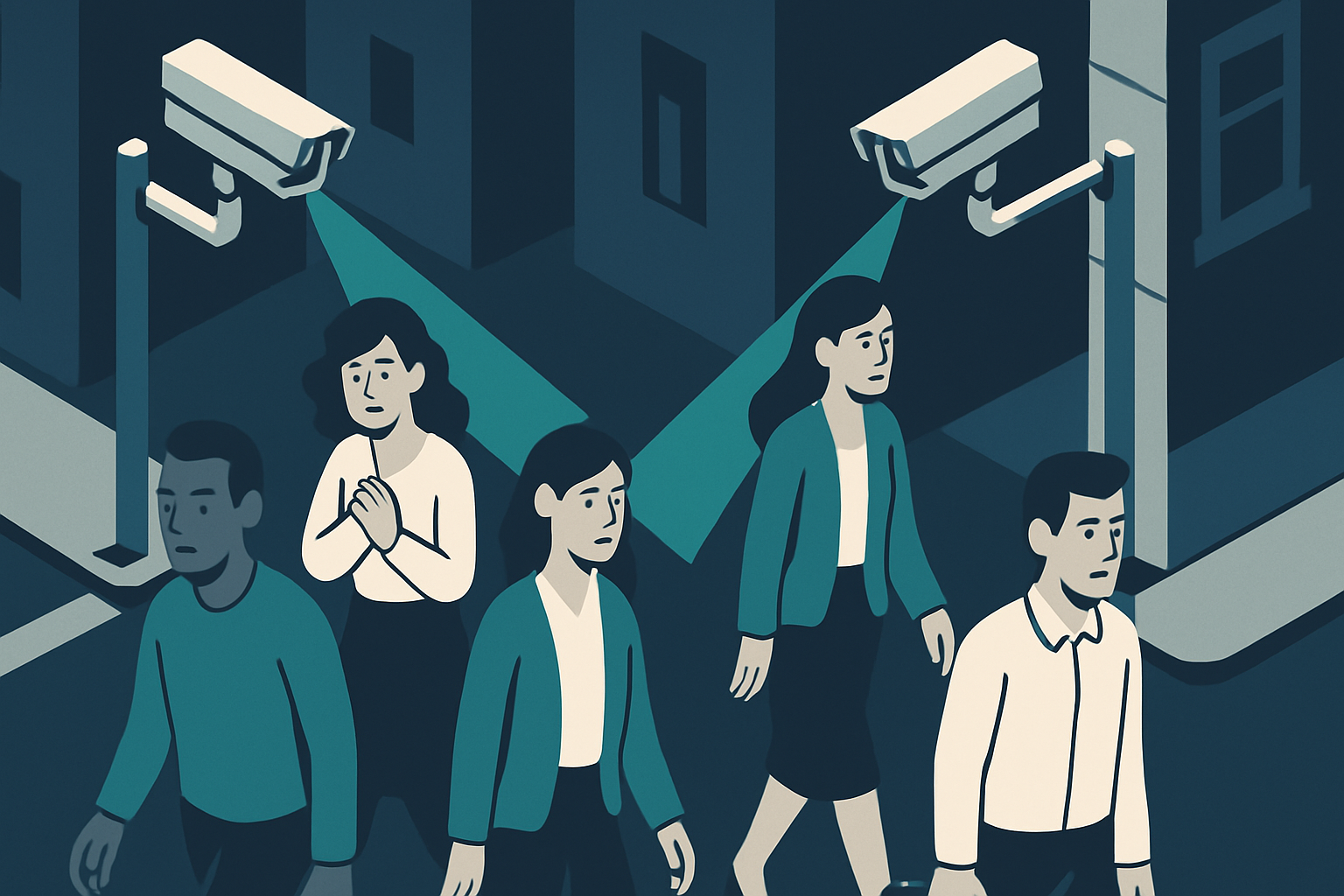
AI and Surveillance: Redefining Privacy and Public Trust
AI’s integration into surveillance is transforming privacy and public trust. While promising efficiency, it risks perpetuating biases and undermining civil liberties. A call for regulatory frameworks is essential to safeguard human rights. Read more
-
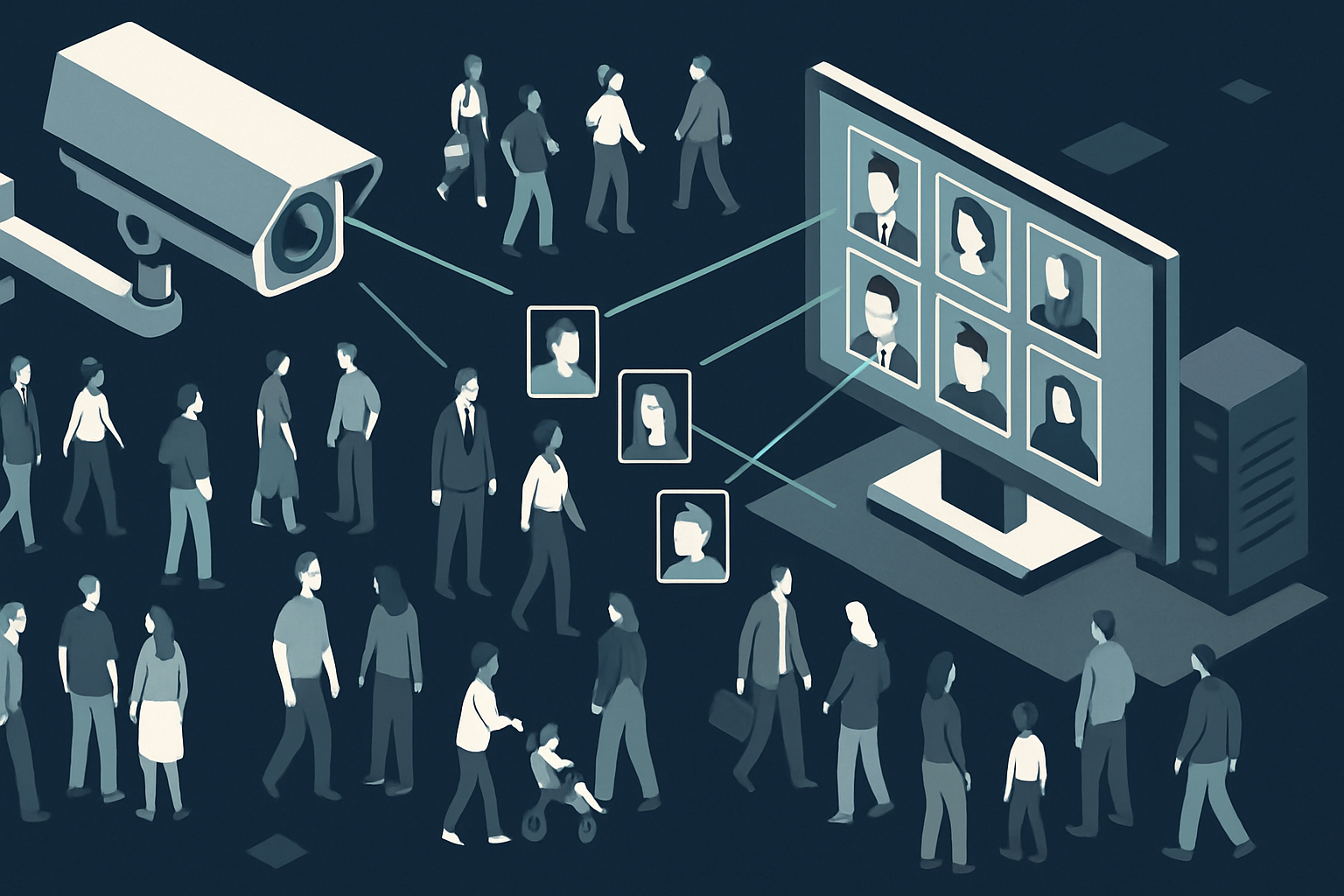
AI’s Surveillance Revolution: Balancing Efficiency with Privacy
AI-driven surveillance technologies promise enhanced efficiency in law enforcement but raise significant ethical concerns. Without robust regulatory frameworks, these technologies risk undermining privacy and civil liberties. Read more
-
The Accountability Gap at the Heart of Predictive Policing
Predictive policing systems are failing not because AI is inherently biased but because they were deployed without the audit mechanisms, transparency requirements, and civil accountability structures that make high-stakes public decisions legitimate. The failure is a specific procurement and governance design problem — one that can be named, and in principle fixed. Understanding what is… Read more
-
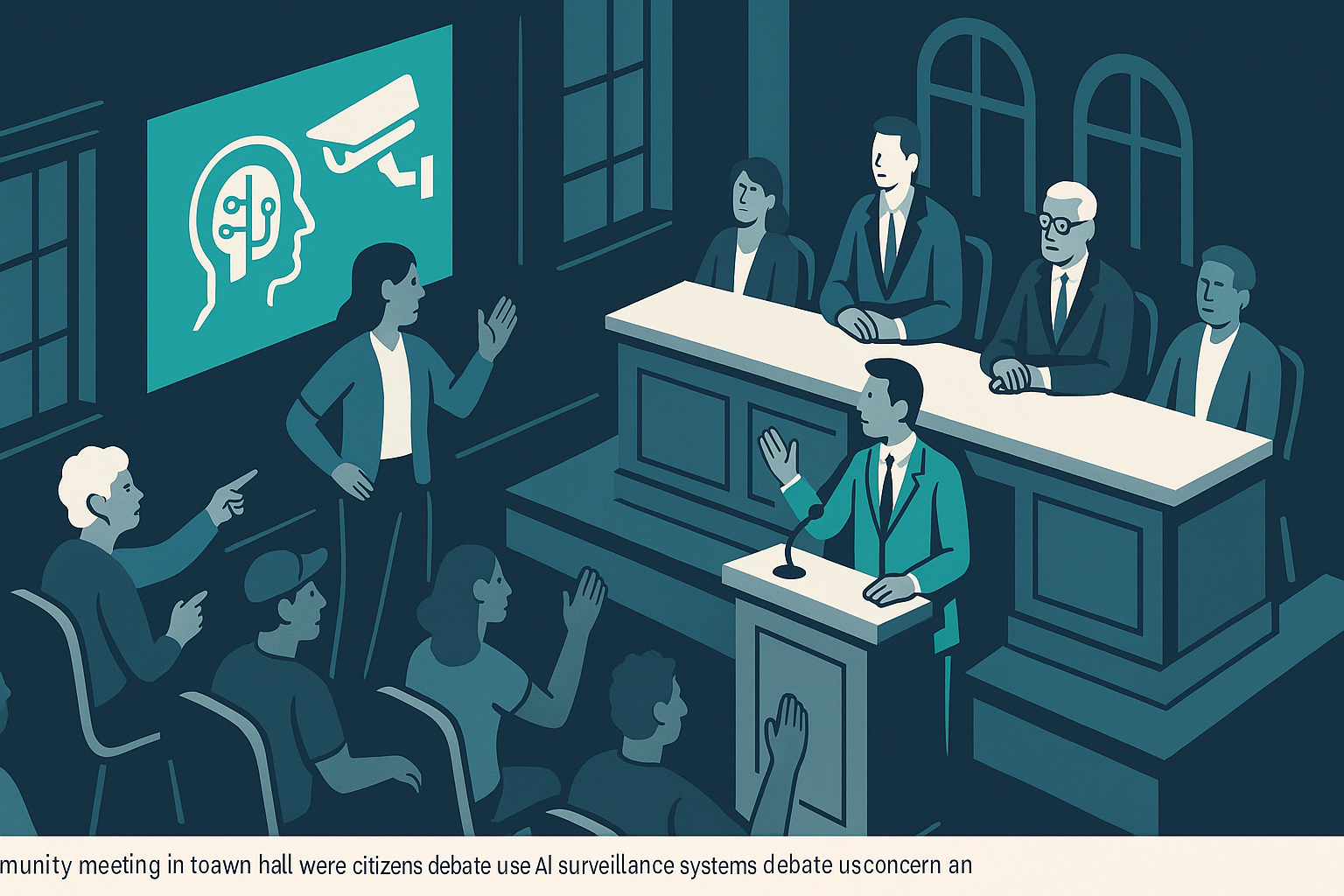
AI and the Erosion of Local Autonomy in Governance
AI technologies are reshaping governance, threatening local autonomy by centralizing decision-making power. To protect community agency, AI’s deployment must prioritize transparency and local engagement. Read more


