
Tag: labor markets
-
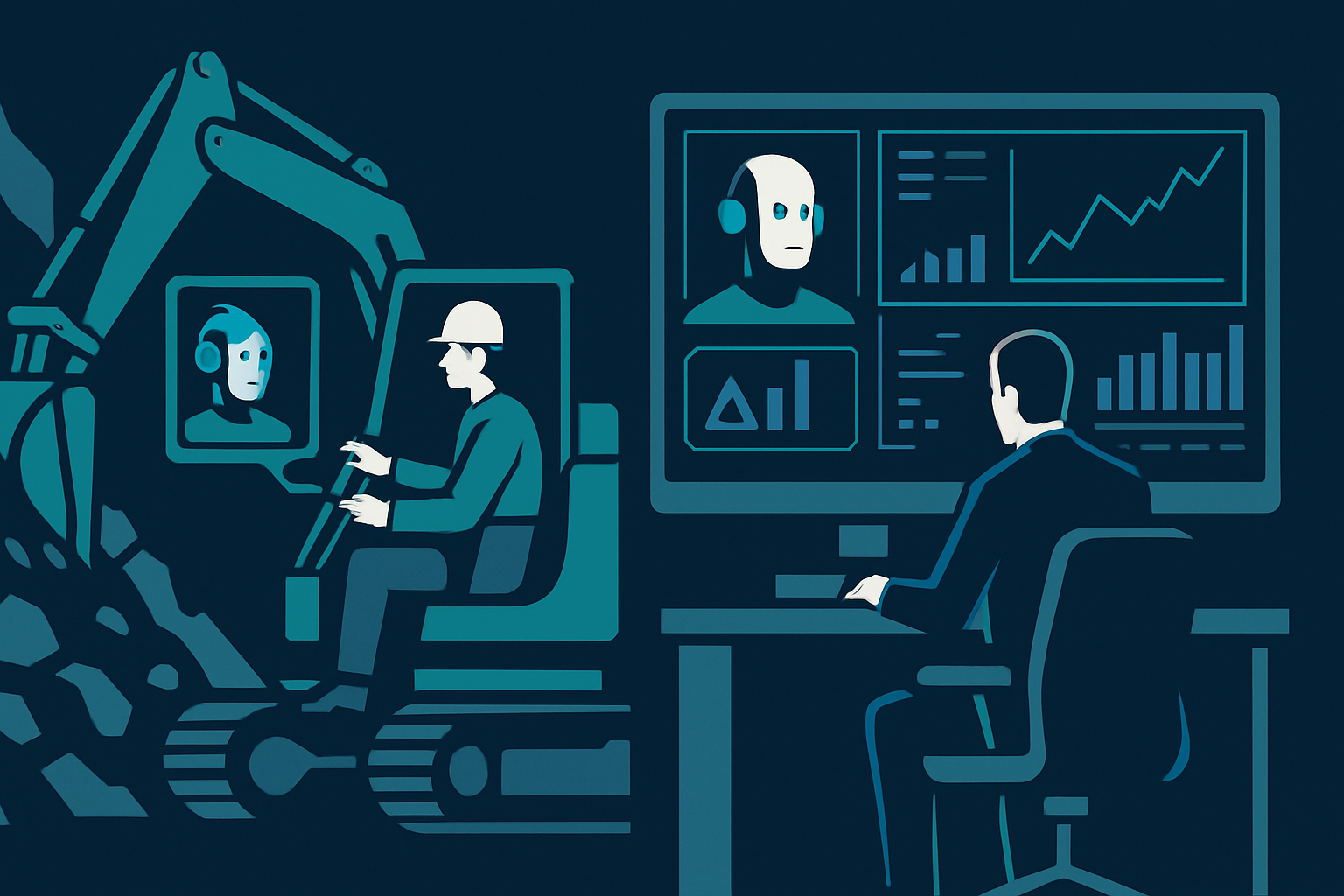
AI and Human Collaboration: Building the Future of Work and Finance
AI is reshaping labor and finance by augmenting human capabilities, not replacing them. With Caterpillar’s training investments and AI agents trading autonomously, the focus is on collaboration and understanding AI’s limitations. Read more
-
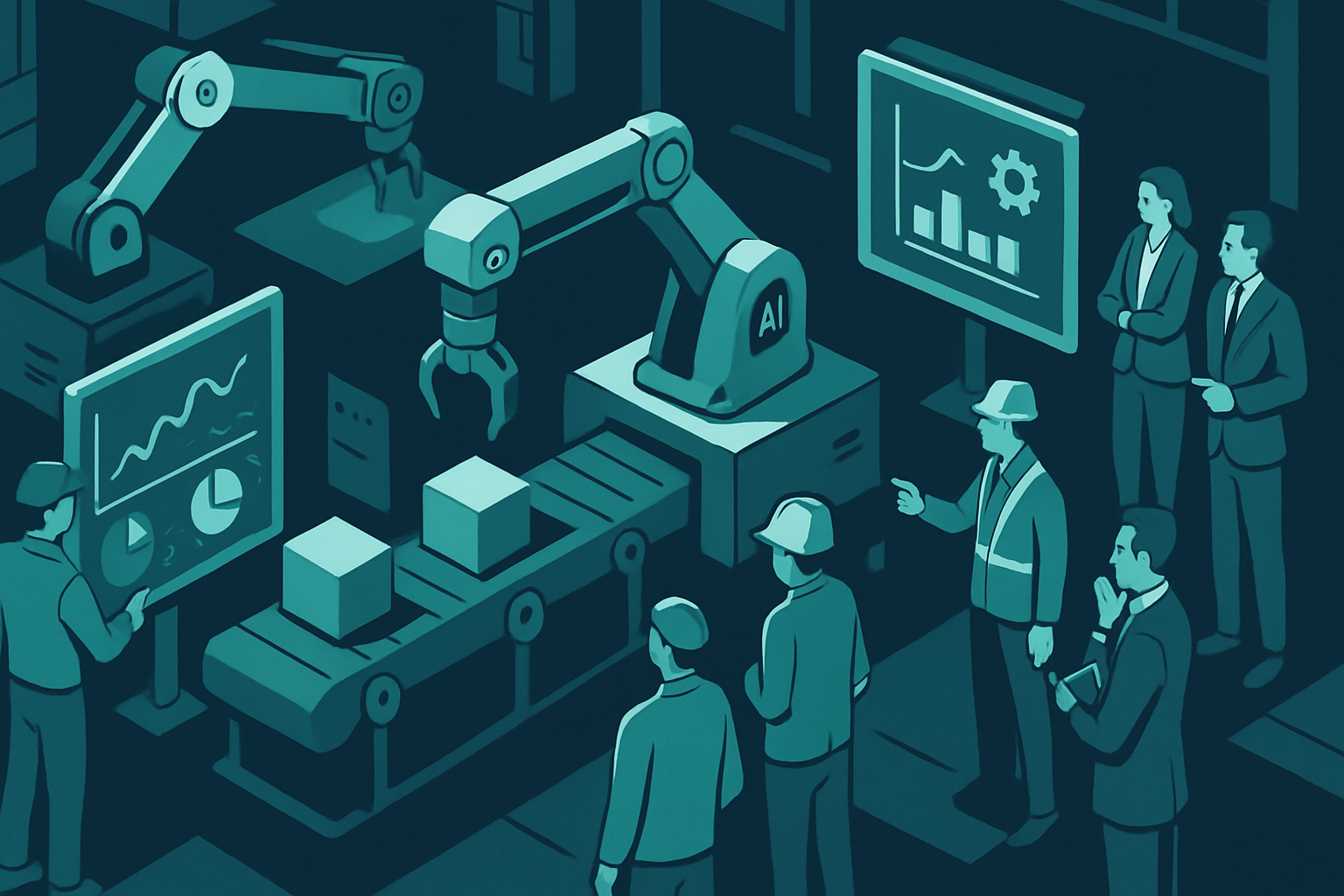
AI’s Uneven Productivity Gains: The Manufacturing Advantage
AI is driving significant productivity gains in manufacturing, highlighting uneven benefits across industries. This disparity raises concerns about economic inequality and labor market dynamics, necessitating targeted policy interventions. Read more
-

AI and the Shifting Balance of Power in Labor Markets
AI’s impact on labor markets is reducing workers’ bargaining power, leading to slower wage growth for AI-exposed roles. While employment remains stable, the economic shift signifies a transfer of power from labor to capital. Read more
-

AI’s Global Expansion: Opportunity and Regulatory Challenges
AI’s global expansion is decentralizing innovation, creating new opportunities and challenges. New York’s regulatory push and strategic moves by financial institutions highlight the importance of transparency and expertise in harnessing AI’s potential. Read more
-

AI’s Impact on Labor: From Workforce to Work Source
AI technologies are reshaping labor markets by turning work into a resource for AI training. This shift carries implications for labor demand and economic inequality, necessitating careful management to ensure shareholder value and broad economic benefits. Read more
-

AI and the Uneven Productivity Gains Across Industries
AI’s rapid adoption has led to significant productivity gains in specific sectors, but these benefits are unevenly distributed across industries and regions. This raises important economic questions about AI’s broader impact and the need for strategic interventions. Read more
-
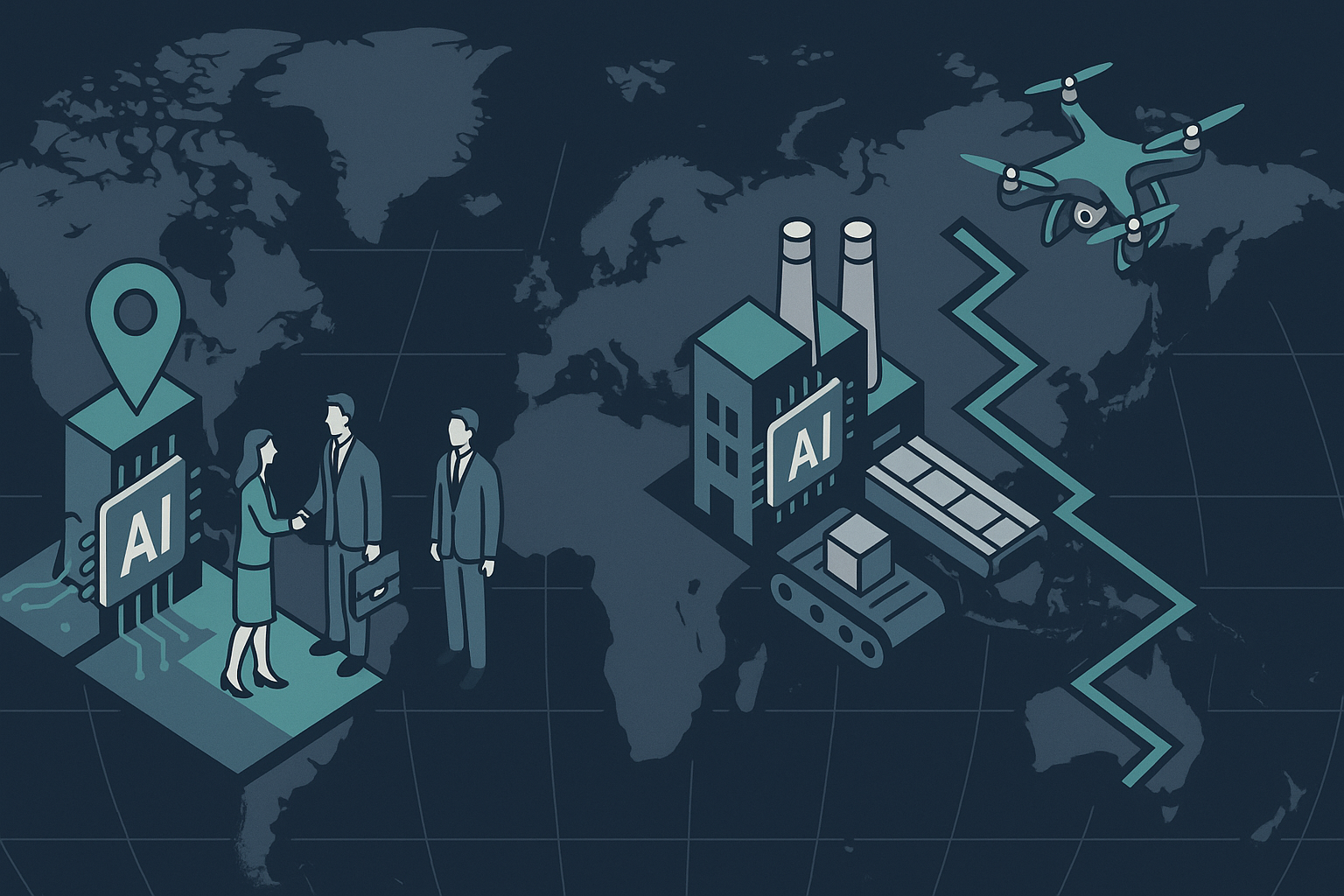
AI’s Geopolitical Reverberations: Labor, Security, and Industrial Shifts
AI is reshaping labor markets, industrial strategies, and geopolitical landscapes. The challenge lies in ensuring that technological advancements are managed responsibly, with equitable economic benefits and robust international frameworks. Read more
-

AI in Construction and Housing: Reshaping Capital and Labor Equations
AI is transforming the construction and housing sectors, influencing capital allocation and labor dynamics. While AI-driven efficiencies promise cost reductions and faster completions, they also risk exacerbating inequalities. Balancing innovation with inclusivity is crucial for broad-based economic benefits. Read more
-

The Economic Implications of Technological Consolidation in Wealth Management
The acquisition of Transcend by Arax highlights a trend of consolidation and technological integration in wealth management. This shift promises efficiency but raises concerns about market concentration and labor market impacts. Read more
-

AI Regulation vs. Innovation: The Economic Tug-of-War in California
In the midst of California’s regulatory debate on AI, the tension between innovation and compliance raises critical economic questions. This article explores the implications for startups, small businesses, and the workforce as AI continues to reshape the landscape. Read more


