
Tag: Capital Allocation
-

AI’s Influence on Real Estate Finance: Navigating New Market Dynamics
AI is transforming the real estate finance sector by reshaping risk assessment and capital allocation processes. As AI’s role grows, it could lead to increased market concentration, raising transparency and competition concerns. Read more
-

AI-Driven Capital Allocation: Transforming Investment and Labor Markets
AI-driven investments are reshaping capital allocation and labor markets, with significant implications for economic structures. As firms prioritize technology, the displacement of workers and concentration of market power present challenges that require careful management. Read more
-

AI’s Capital Influence: Funding Shifts and Market Implications
Recent capital inflows into AI firms emphasize automation and digital infrastructure, signaling a shift in resource allocation. While AI investments promise efficiency, they could also lead to market consolidation, necessitating a balanced approach. Read more
-

AI, Capital, and the Uneven Path of Innovation: A Structural View
AI-driven innovation is marked by a disparity between capital concentration in AI infrastructure and slower adoption across industries. Coordinated public investment is needed to ensure equitable distribution of AI’s benefits. Read more
-

AI’s Evolving Role in Financial Systems: Efficiency or Illusion?
Singapore’s central bank highlights AI’s role in financial systems, yet the promised productivity gains remain elusive. Effective AI deployment involves strategic integration, democratizing access, and ensuring shareholder value. Read more
-
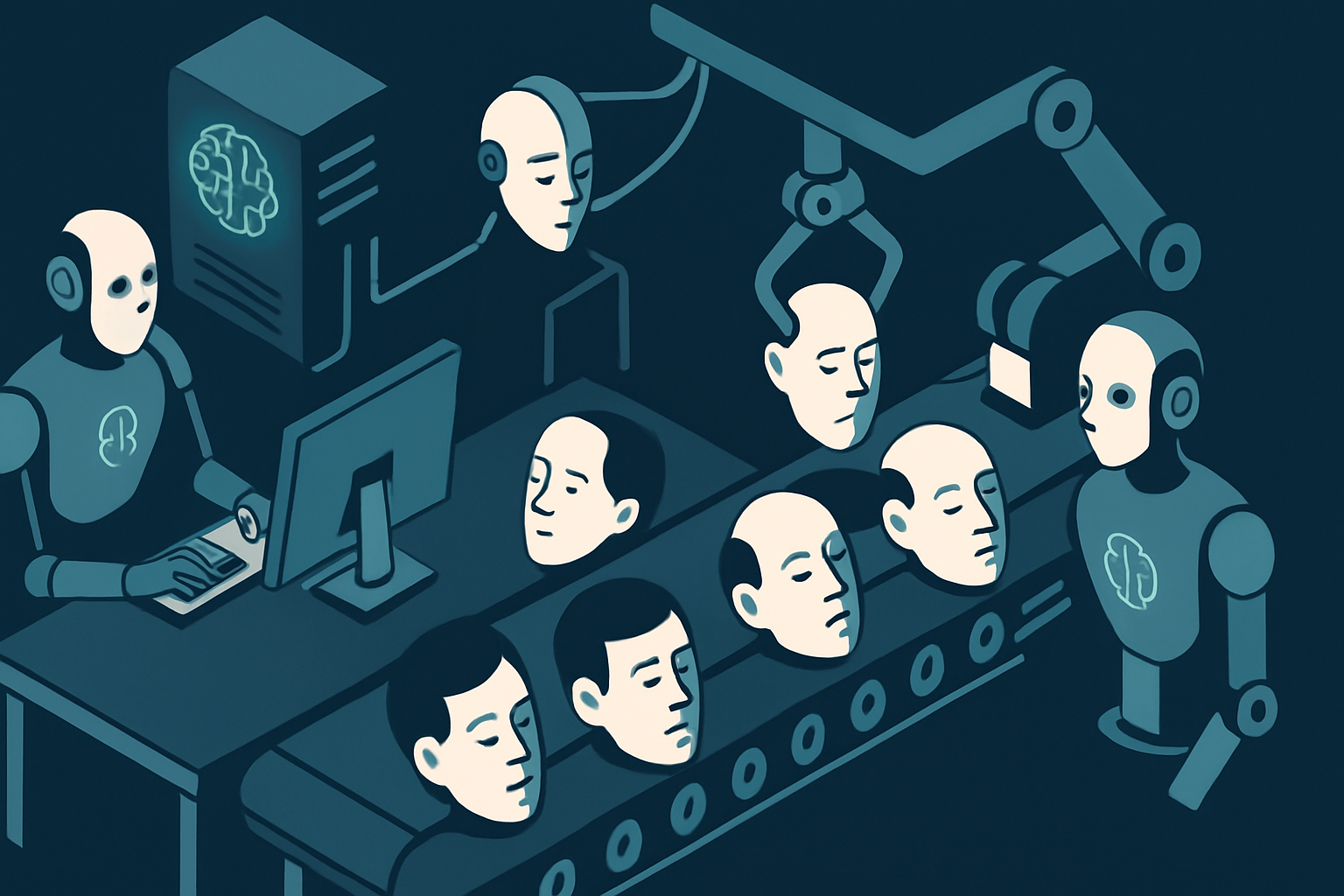
AI’s Commodification of Labor: The Economic Shift in Creative Industries
AI’s rise in creative industries is commodifying human attributes, posing challenges to labor markets and traditional creative processes. This shift demands a reevaluation of value and compensation in AI-driven sectors. Read more
-

AI’s Disruptive March: Redefining Markets and Capital Allocation
AI’s transformative impact is reshaping industries through capital reallocation and market dynamics. From Tesla’s robotaxis to Qualcomm’s smart rings, AI innovations challenge traditional economic models and demand a recalibration of value perceptions. Read more
-

AI’s Role in Transforming Labor and Capital in Modern Firms
AI integration in firms like EY and GE Appliances is reshaping labor markets and capital allocation. While productivity gains are evident, this transformation highlights the need for equitable access to education and regulatory frameworks to manage market dynamics. Read more
-

AI Agents as Persistent Digital Workers: Economic Implications
AI agents are evolving into persistent digital workers, redefining digital labor and reshaping capital allocation. The economic implications are profound, requiring adaptation from businesses and regulators to ensure equitable distribution of benefits. Read more
-

AI’s Role in Shaping the Future of Transportation and Coding Platforms
Recent developments in autonomous vehicles and code-hosting platforms reveal AI’s transformative role in reshaping industries. From last-mile delivery to software development, AI-driven advancements promise enhanced efficiency and innovation. Read more


