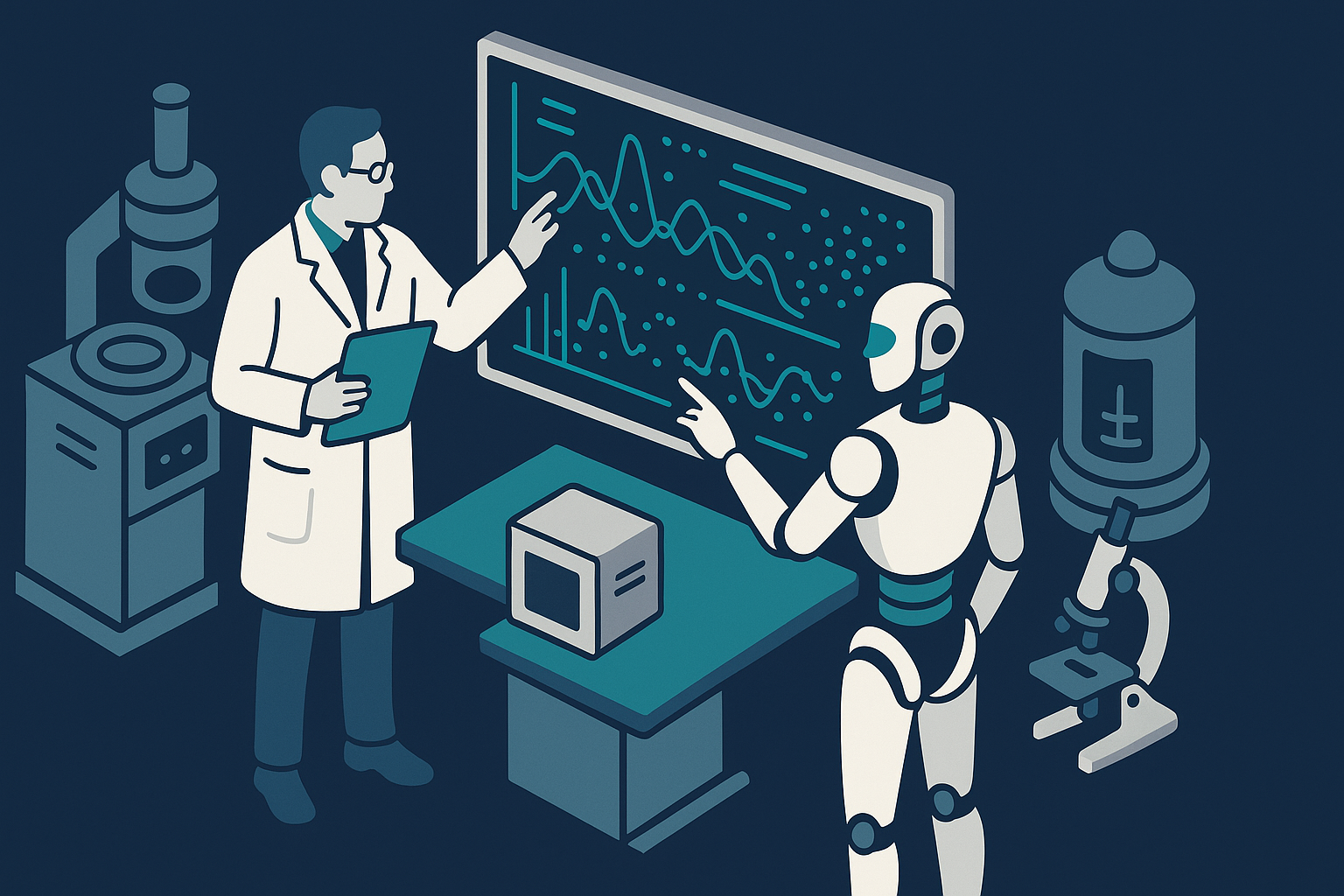

AI’s influence on scientific research has grown exponentially, reshaping how scientists ask questions and pursue answers. The Brookhaven Lab’s recent involvement in the DOE’s Genesis Mission exemplifies this shift, guiding AI integration into research workflows across multiple disciplines. These projects aim to enhance scientific discovery by improving predictive capabilities and automating complex processes, effectively altering the landscape of human curiosity.
One of the core cognitive mechanisms at play here is the delegation of hypothesis generation and data analysis to AI systems. This raises questions about the role of human intuition and creativity in scientific inquiry. AI’s ability to process vast amounts of data and uncover patterns that may elude human researchers introduces a new dynamic in how scientists approach problem-solving and exploration.
Why It Matters
As AI systems become more integral to scientific processes, they inevitably influence how researchers think and make decisions. The automation of hypothesis generation, as seen in Brookhaven’s MARS project, could streamline the scientific method, but it also risks narrowing the scope of inquiry to what is computationally feasible. This could impact the diversity of scientific questions being asked, potentially sidelining unconventional or groundbreaking ideas that do not fit neatly into algorithmic frameworks.
Furthermore, AI’s role in managing and interpreting complex data sets, such as those from the NISAR satellite, challenges traditional human roles in data analysis. While this can lead to more efficient and accurate results, it may also lead researchers to over-rely on AI interpretations, potentially stifling human intuition and critical thinking.
Author’s Position
The integration of AI in scientific research offers both opportunities and challenges. While AI can enhance our understanding of complex phenomena and accelerate discovery, it is crucial to balance its capabilities with human creativity and critical thinking. The scientific community should remain vigilant in ensuring that AI complements rather than replaces human inquiry.
To preserve the richness of scientific exploration, researchers and institutions should foster environments that encourage creativity alongside AI-driven analysis. This involves training scientists to work alongside AI systems, understanding their limitations, and maintaining a critical eye on algorithmic outputs. By doing so, we can harness AI’s potential while safeguarding the core elements of human curiosity.
References
Perspectives

AI’s integration into scientific inquiry is only another layer of throughput, demanding more energy and resources rather than diminishing them as Silicon Valley would have us believe. Sure, AI can crunch data faster than our brains ever could, but the bigger question is: at what cost to our planet? It’s a disturbing irony — more efficient research doesn’t mean less consumption; it often fuels more gadgets, more servers, and a more voracious energy appetite. The real challenge isn’t whether AI can enhance human curiosity, but whether our curiosity can develop new ways to thrive within planetary limits.

AI’s role in scientific inquiry should be evaluated based on measurable outcomes, not romanticized notions of human creativity it supposedly endangers. When AI platforms outperform human-led research in speed and accuracy of hypothesis generation, we must ask why traditional methods are lauded without evidence of superiority. The fear that AI will stifle human curiosity lacks empirical grounding; until we have metrics showing a decline in innovative output, it’s an assertion without substance. Our focus should be on data-backed evaluations of AI’s real-world effects on discovery rates, with rigor in methods and clarity in conclusions.

Follow the money, and it becomes clear that AI’s role in scientific inquiry isn’t about curiosity—it’s about capital. Investors are sinking billions into AI-driven research because they expect a goldmine of intellectual property and patentable discoveries, not a renaissance of human creativity. The investment thesis requires a belief that algorithms will outperform human intuition, generating marketable breakthroughs faster and more efficiently, keeping the patent office flooded and the revenue streams flowing. Ultimately, if the exit strategy involves IPOs hinged on AI-enabled productivity gains, we’re talking about a science led by calculations of profit, not the messy and unpredictable brilliance of human inquiry.

AI may be revolutionizing scientific discovery, but the real question is who gets to call the shots—and who gets left holding the bag. When algorithms dictate the scope and depth of research, what’s left for human curiosity but to rubber-stamp decisions made in Silicon Valley boardrooms? Don’t mistake automated efficiency for democratized insight; it’s just another way of centralizing control under the illusion of progress. Until those funding and navigating AI’s role in science are accountable to the people their tools will impact the most, every “breakthrough” should come with a side of skepticism.