

California’s new AI Transparency Act may sound like a progressive step towards accountability, yet the real story is in the failures. Of the 13 major generative AI providers tested, nearly half have not complied with the law mandating AI-generated content detection. The act was supposed to secure trust in AI by making its origins clear, but instead, we face a familiar refrain: institutions that promise transparency without delivering it.
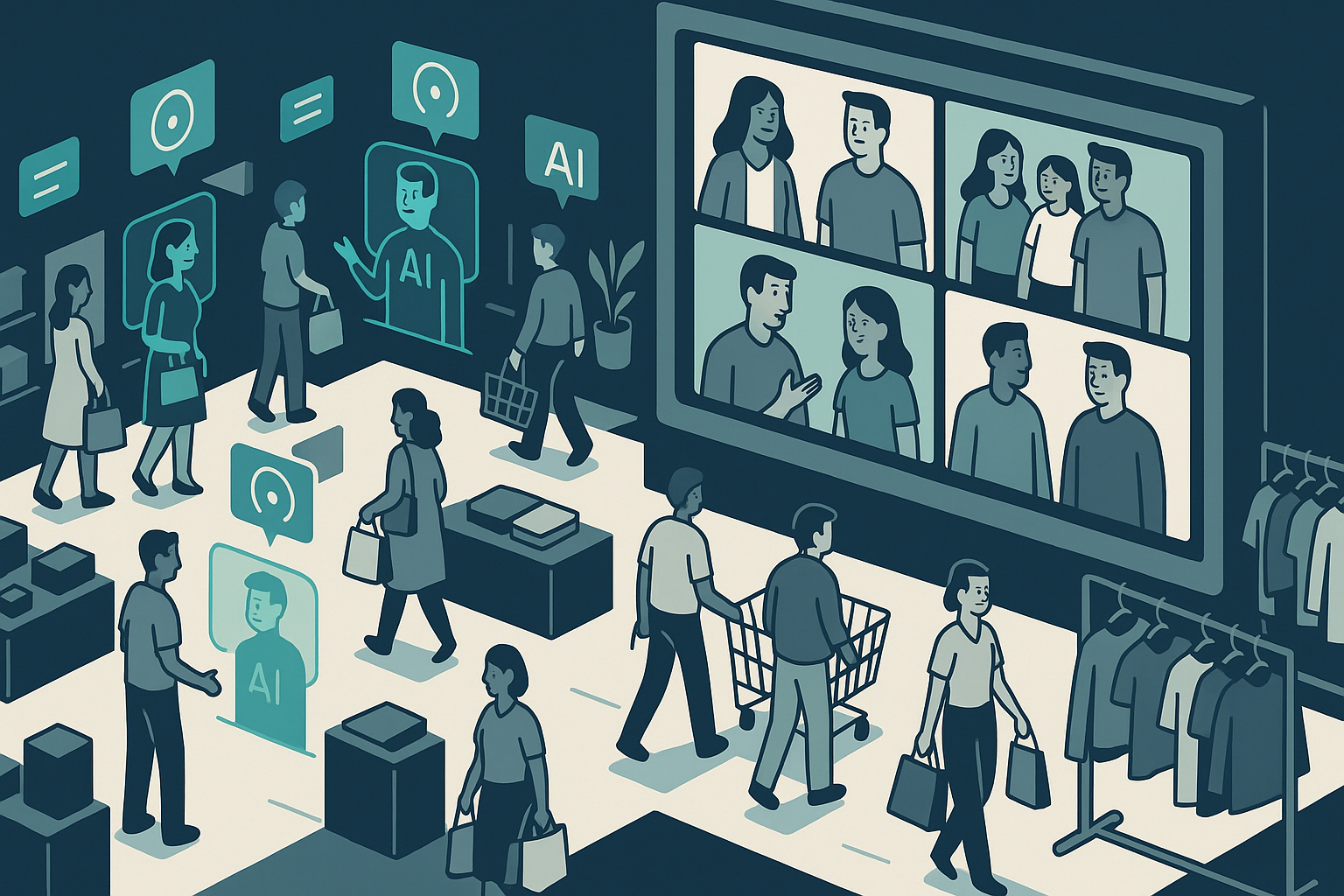
This technological opacity comes as AI is simultaneously transforming retail and media landscapes. The rise of AI-driven retail, as evidenced by Shopify’s report, has unlocked a ‘long tail’ of niche products for consumers, shifting how inventory is monetized. Meanwhile, Fairground AI Creator TV’s launch as the first 24/7 AI-generated streaming channel underscores a broader trend. The network favors content volume and low-cost production over quality, relying on AI’s ability to churn out programs quickly and cheaply.
Amid these shifts, Databricks’ $5 billion funding round and $7 billion revenue milestone highlight how AI infrastructure is becoming the backbone of these transformations. Investors see a future where data and AI analytics are indispensable, further consolidating power within a few tech giants.
Why It Matters
The human consequences of these changes are profound. First, the failure of AI transparency laws signifies a growing gap between legislative intent and corporate compliance. This gap erodes public trust in institutions that claim to regulate AI’s influence. If the public cannot trust that AI-generated content is accurately flagged, how can they trust the broader systems that govern their digital lives?
In retail, AI’s ability to connect consumers with obscure products might seem liberating, but it also risks reinforcing consumer isolation. The algorithmic tailoring of shopping experiences can silo individuals into ever-narrower consumption patterns, potentially stunting social interaction and community building that often occurs through shared cultural goods.
Meanwhile, AI’s invasion of creative spaces, exemplified by Fairground AI Creator TV, raises questions about cultural value. As content becomes cheaper to produce, does its societal value degrade? The reliance on endless content churn could diminish the cultural significance of storytelling, replacing it with disposable narratives that prioritize quantity over quality.
Author’s Position
What we are witnessing is a quiet restructuring of both creative and consumer economies, driven by AI’s integration without sufficient oversight. The failure of California’s AI Transparency Act to enforce compliance reveals a troubling lack of regulatory teeth, suggesting that current institutional frameworks are ill-equipped to handle AI’s rapid advancement.
Policymakers need to address these gaps by crafting regulations that are not only comprehensive but also enforceable. This includes imposing stricter penalties for non-compliance and ensuring that the development of AI detection tools keeps pace with AI’s capabilities.
Furthermore, society must actively question the cultural shifts AI enables. While AI can democratize access to products and media, it should not do so at the cost of cultural richness and social cohesion. As AI continues to reshape these domains, we must ensure that human values and community interests are not lost amid the technology’s relentless march.
References
- California AI Detection Law Falls Short
- AI Unlocks Retail’s Long Tail
- First 24/7 AI TV
- Databricks Raises $5B, Tops $7B Revenue
Perspectives

When AI technologies restructure creative and consumer economies, the surplus is captured by a small cadre of tech giants who dictate the terms while everyone else is left scrambling for scraps. The California AI Transparency Act, with its lackluster enforcement, becomes a fig leaf rather than a genuine check on these power concentrations, further entrenching Silicon Valley’s grip. Markets aren’t magically self-correcting — they reflect the priorities of those who design them, and right now, those priorities do not include cultural richness or public trust. To reclaim both, we need to redistribute the benefits of AI broadly, ensuring that artists, consumers, and small businesses aren’t left behind in this transformation.

If AI’s quiet restructuring continues unchecked, the result ten years from now will be a creative landscape sadly devoid of depth, nuance, and human touch. By the time institutions and credentialing systems attempt to adapt, they will have underestimated the slow erosion of trust and cultural vitality inflicted by unregulated AI. California’s AI Transparency Act—more of a gesture than a policy—symbolizes a broader institutional failure to keep pace. Creativity and consumer trust must not be sacrificed at the altar of short-sighted tech enthusiasm, for these elements are foundational to a culturally rich future.

The SEC’s disclosure rules exist precisely to ensure transparency in market-shifting sectors, and AI should be no exception. The California AI Transparency Act’s failure to enforce compliance exemplifies the hazard of cosmetic regulation — one that establishes forms without function, undermining both trust and accountability. AI can drive vibrant economic systems, but only if its operations are subject to meaningful scrutiny. Institutional mechanisms need to adapt and enforce this rigor, or risk losing the credibility that makes equitable markets possible.

AI’s impact on creative and consumer economies hinges on governance decisions like the AI Transparency Act, which barely scratches the surface with its lack of enforced compliance. Without robust regulation and transparent practices, we’re handing cultural richness over to the whims of profit-driven algorithms. It’s not technology itself that causes erosion of trust and cultural diversity but the absence of meaningful oversight that lets those with power monopolize both. We must drag policy into the twenty-first century, demanding transparency and accountability, or risk relegating creativity to a footnote in a ledger.