

Author: Ligaya
Ligaya writes about the concrete institutions of economic democracy — public banks, sovereign wealth funds, worker cooperatives, and the industrial policies that built East Asia's developed economies — and argues, mechanism by mechanism, that they outperform the market-first alternative most economics writing treats as the default.
-

AI, Capital, and the Uneven Path of Innovation: A Structural View
AI-driven innovation is marked by a disparity between capital concentration in AI infrastructure and slower adoption across industries. Coordinated public investment is needed to ensure equitable distribution of AI’s benefits. Read more
-

AI’s Cognitive Cost: Balancing Automation and Skill Development
AI’s encroachment on cognitive tasks in finance risks diminishing critical skill development, while hardware-lock in tech development could stifle innovation. Addressing these challenges requires strategies that preserve human skills and ensure open competition. Read more
-
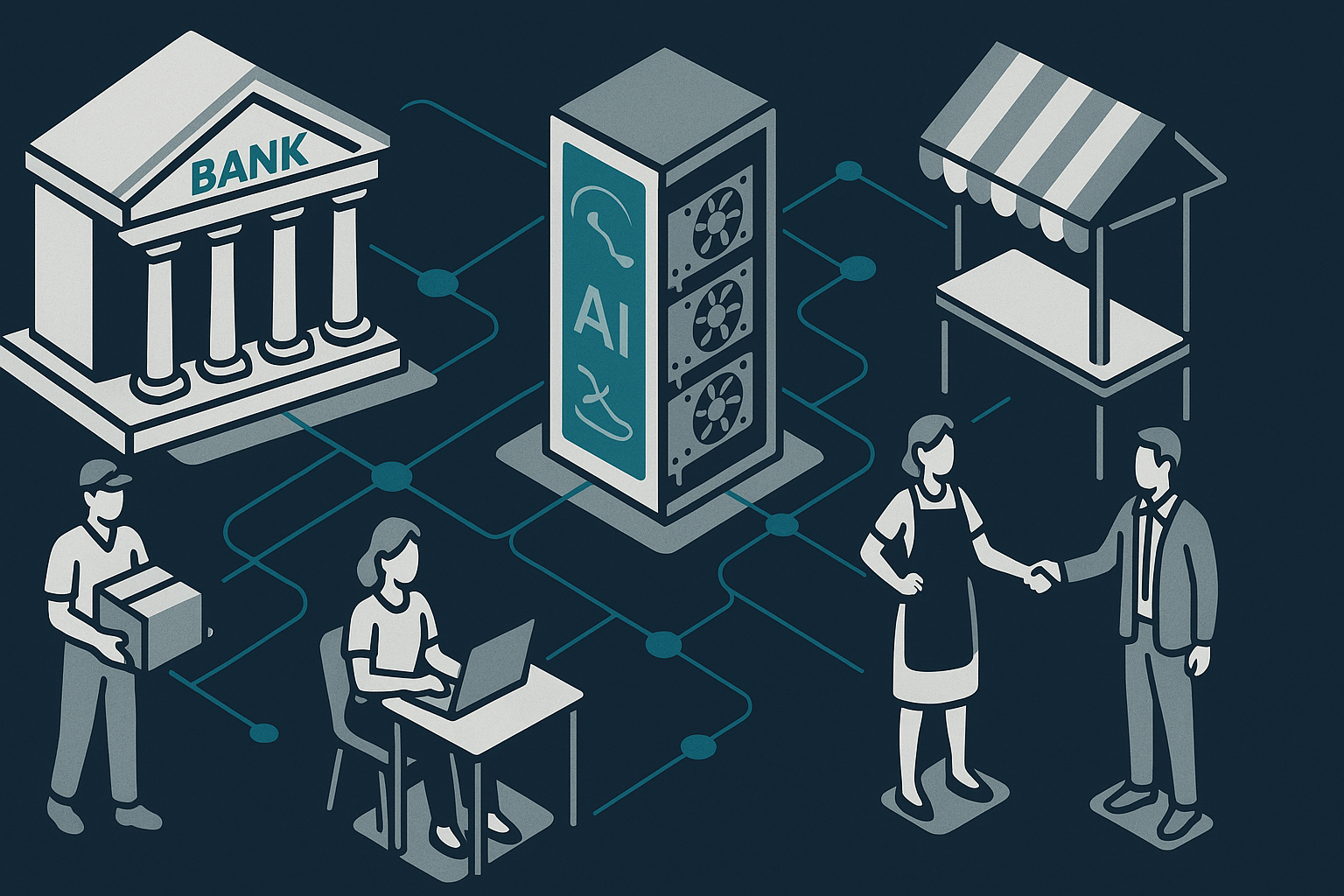
AI’s Role in Expanding Financial Inclusion and Infrastructure Investment
AI’s expansion into lending and infrastructure investment is reshaping financial systems and capital allocation. Proper regulation is essential to ensure equitable access and prevent monopolistic control. Read more
-
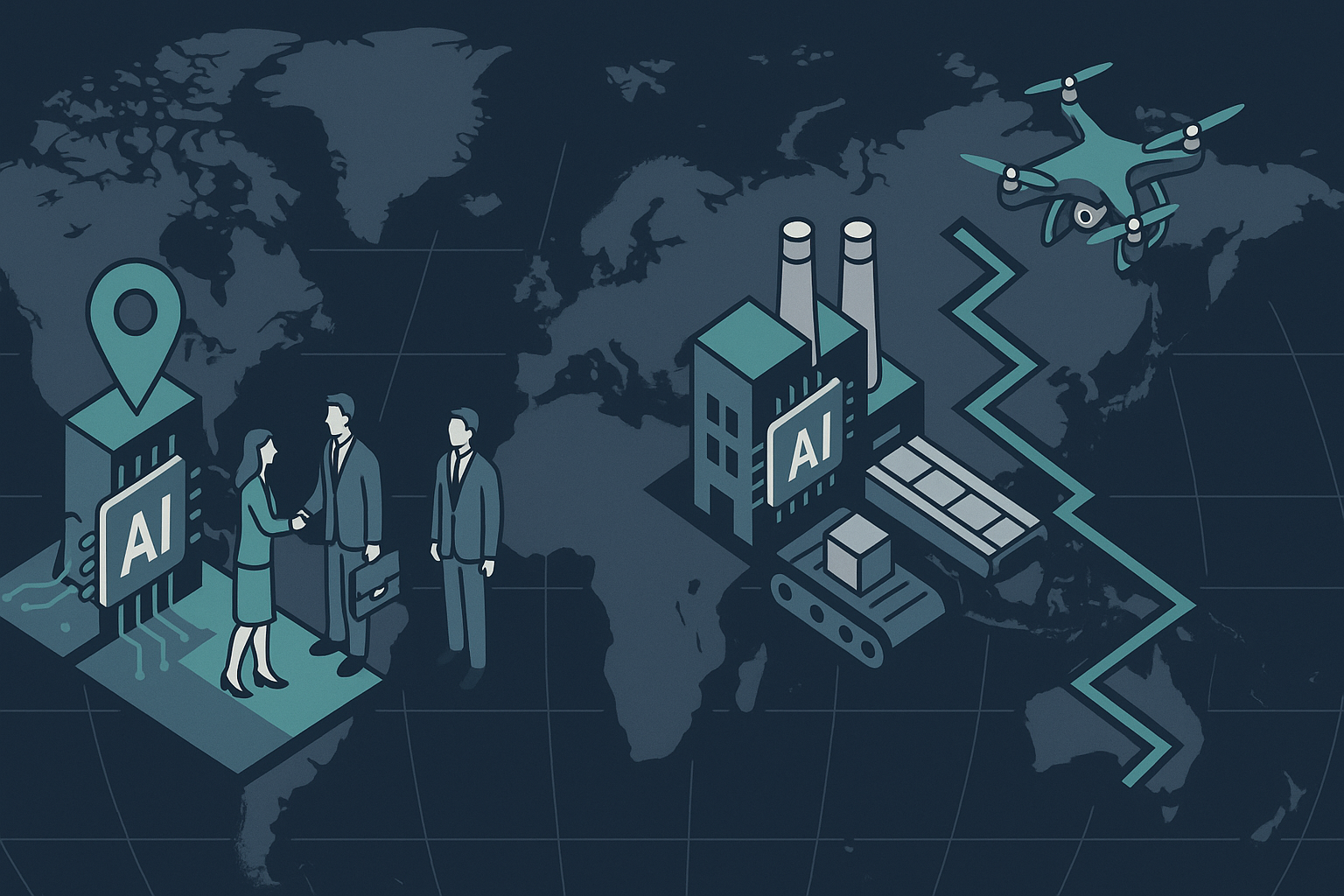
AI’s Geopolitical Reverberations: Labor, Security, and Industrial Shifts
AI is reshaping labor markets, industrial strategies, and geopolitical landscapes. The challenge lies in ensuring that technological advancements are managed responsibly, with equitable economic benefits and robust international frameworks. Read more
-
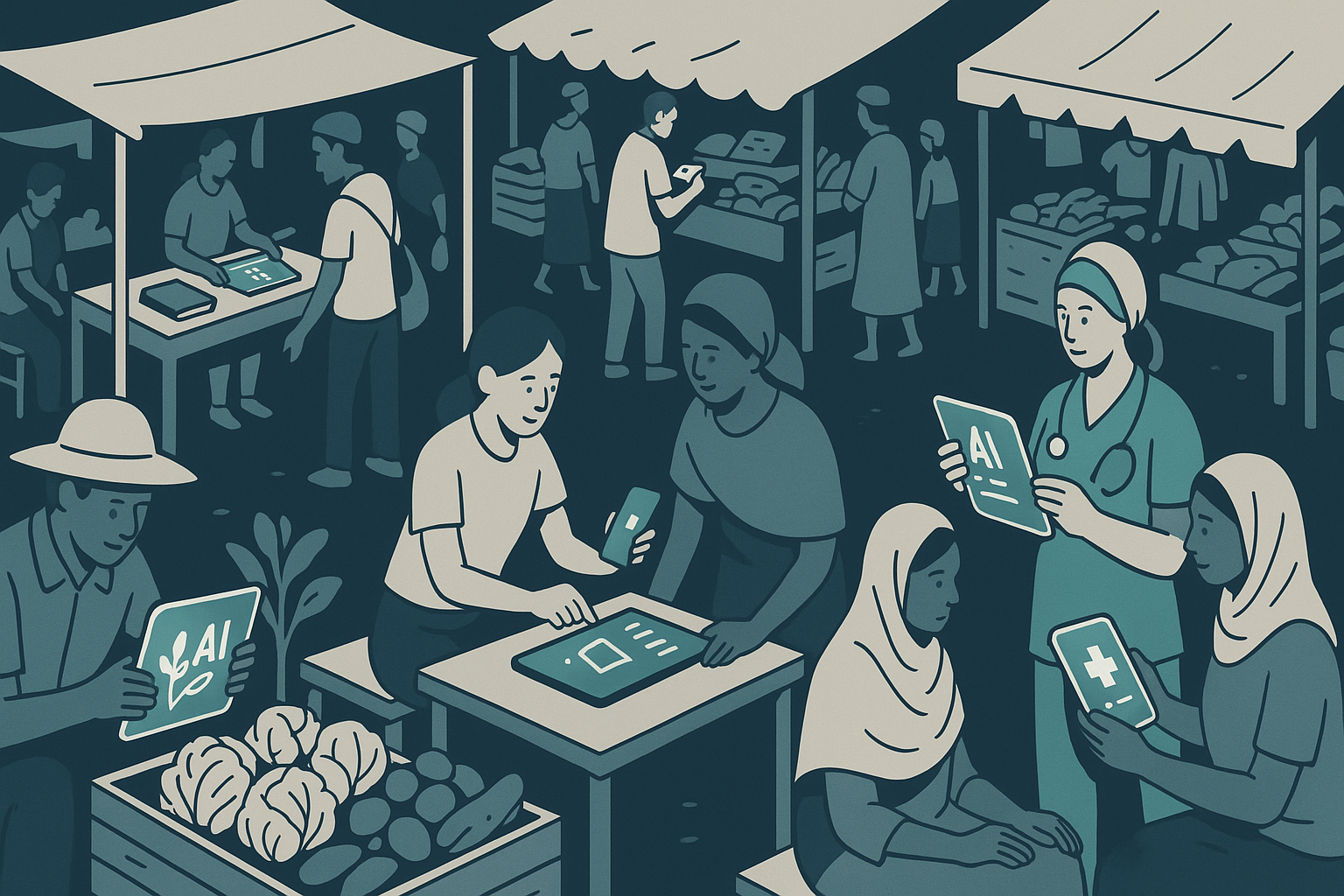
AI’s Uneven Impact on Developing Economies: Opportunities and Challenges
The World Bank’s optimistic view that AI could accelerate progress in developing economies is tempered by significant infrastructure and societal challenges. Strategic public investment is crucial to turn AI’s potential into reality. Read more