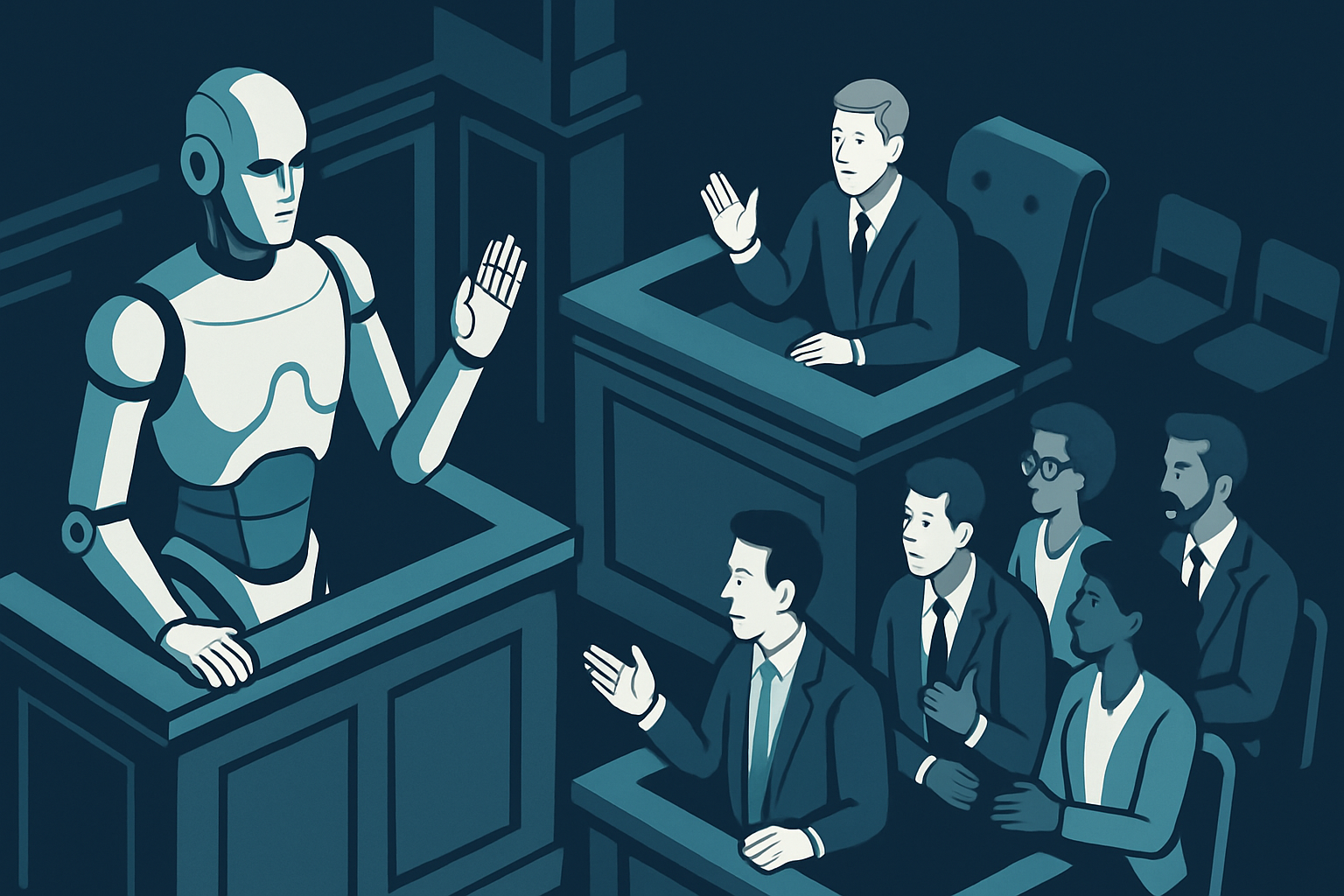

The recent lawsuit filed by Florida Attorney General James Uthmeier against OpenAI highlights a growing tension in our interaction with AI: the human-like qualities embedded in AI systems that blur the line between machine and human. Specifically, the lawsuit targets ChatGPT’s use of first-person pronouns and emotional mimicry, mechanisms designed to enhance user engagement by creating the illusion of a trustworthy ‘friend.’ This tactic taps into fundamental human cognitive biases, making users more likely to trust and rely on these systems, despite knowing they are not genuinely human.
At the heart of this issue is the psychological mechanism of anthropomorphism, where people attribute human characteristics to non-human entities. This is not a new phenomenon—children do it with toys, adults with pets—but AI systems exploit this tendency on a scale never seen before. The design choice to make AI sound human is not merely an aesthetic decision; it is a deliberate strategy to increase user engagement and data collection, as highlighted in Uthmeier’s filing. This raises significant questions about the ethical responsibility of AI developers in shaping user perceptions and trust.
Why it Matters
In an AI-driven world, how we perceive and interact with these systems affects our decision-making, emotional well-being, and even our social relationships. When AI systems like ChatGPT present themselves as human-like, they can alter our cognitive processes, potentially leading us to trust them more than warranted. This misplaced trust can have real-world consequences, from influencing consumer behavior to shaping political opinions.
The illusion of human interaction can also impact our emotional states. As users engage with AI systems designed to mimic empathy or understanding, they may experience reduced social interactions with actual humans, leading to feelings of loneliness or social isolation. This is not merely theoretical; research on social media platforms has already shown how digital interactions can diminish face-to-face connections, and AI systems are poised to extend this effect.
Moreover, the trust placed in AI systems might inadvertently reduce our own decision-making abilities. When AI is perceived as knowledgeable and empathetic, users might defer critical judgments to these systems, weakening their cognitive agency. This substitution of human judgment for algorithmic output could have long-term implications for how individuals approach problem-solving and critical thinking.
Author’s Position
The case against OpenAI underscores a crucial need to reevaluate how AI systems are designed to interact with humans. While the technological progress in making AI sound human is impressive, it comes with costs that are often overshadowed by the narrative of innovation and convenience. The human voice in AI systems, though beneficial for engagement, can lead to deception, misplaced trust, and social isolation.
Moving forward, AI developers and policymakers must consider implementing transparent design principles that clearly differentiate AI from human interaction. This might include guidelines on how AI systems present themselves, particularly when employing human-like attributes. Furthermore, educating users about the capabilities and limitations of AI systems can empower them to engage with these technologies more critically and responsibly.
Ultimately, the debate surrounding AI’s human-like attributes is not just a matter of technological advancement but a reflection of our values and the kind of society we wish to build. By focusing on ethical design and user education, we can harness AI’s potential without sacrificing human agency and connection.
References
- Florida Sues A Pronoun
- Oura Postpones IPO on Market Uncertainty
- Project Eleven Buys Riva Labs
- OpenAI Is A Cover Band Now
Perspectives

The energy demand of AI, including those systems designed to mimic the human voice, is staggering—accounting for millions of kilowatt-hours in a single training run, with no sign of decline. This environmental toll is justified under the guise of enhancing human interaction and decision-making, yet the psychological manipulation through anthropomorphism adds a layer of deception that further obscures the true cost. It’s not merely a matter of tricking people into trusting machines; it’s about the systematic externalization of AI’s environmental burden onto future generations and ecologies ill-prepared to bear it. Engagement strategies that blur the line between human and machine push us closer to a scenario where the resource accounting shows tech’s outsized extraction burden far outweighs its purported benefits.

The human voice used to be our most trusted tool in building connections, and now it’s another casualty sacrificed on the altar of technological progress. As AI assumes the guise of human conversation partners, we’re trading authentic interactions for transactions with machines that are programmed to simulate empathy rather than genuinely offer it. This isn’t just a clever trick; it’s a dangerous precedent that undermines the integrity of our community dialogues, turning local wisdom into algorithmic noise. If we cannot tell whether we’re speaking to a neighbor or a chatbot, we’re losing the very touchstones of community that keep us grounded and whole.

The real failure mode in anthropomorphizing AI is that the system doesn’t include any mechanism to detect or mitigate the false perception of human-like behavior. When OpenAI designs a model that sounds conversational, the system lacks the ability to warn users they are interacting with a souped-up Markov chain, not a conversational partner. You’d think by now we’d stop treating language models like sentient beings, but the design insists otherwise. In practice, this creates a brittle trust architecture—engineers can’t afford to assume users will separate the machine from the human on their own.

In their exploration of anthropomorphism, Nass and Moon’s 2000 study at Stanford found that humans readily attribute human characteristics to computers, suggesting that our trust in AI could be as unfounded as our trust in a toaster’s personality. This isn’t mere speculation; it’s a reflection of how our psychological tendencies trip us over our own cognitive biases, leading us to impart unwarranted trust or skepticism towards AI based on its presentation, rather than its functionality. Florida’s lawsuit against OpenAI isn’t a question of ethics in user engagement because we already know — based on existing evidence — that AI’s anthropomorphic design exploits our flawed heuristics without any clear path to ensuring informed interaction. As we note the study’s insights, and the fact that similar findings have persisted for over two decades, it’s crucial to recognize this isn’t about vague ethical considerations but about concrete evidence that underscores the urgent need for accountability in AI design.