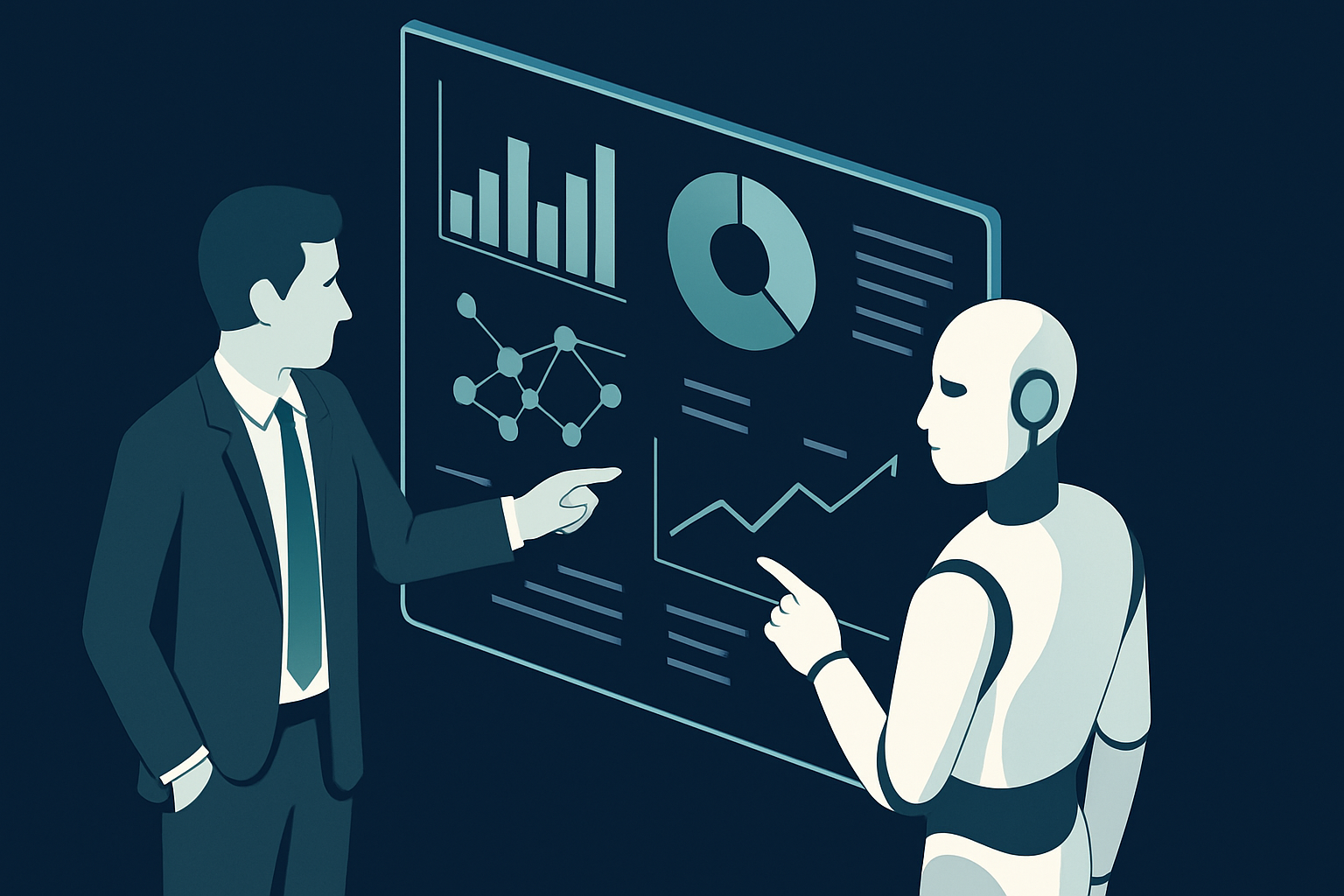

Recent advancements in AI and quantum computing signal a profound shift in how humans make decisions and process information. The launch of IonQ’s Superion 256, a quantum computer designed for volume production, underscores the accelerating trajectory of technology from theoretical potential to practical application. At the same time, Mistral AI’s substantial funding round highlights the competitive fervor in scaling AI capabilities across continents. These developments are not isolated technological feats; they represent a deeper cognitive transition toward reliance on AI-enhanced decision-making processes.
What is Happening
The convergence of AI and quantum computing introduces a new paradigm in decision-making, characterized by unprecedented computational power and efficiency. Quantum computers like IonQ’s Superion 256 can process complex calculations at speeds unattainable by classical computers, which directly affects fields such as drug discovery and materials science. This technological leap is mirrored by AI’s growing integration into decision-making systems, as exemplified by Mistral AI’s push to scale its open-source platforms. These shifts suggest a movement towards hybrid cognitive frameworks where human intuition and AI’s computational prowess increasingly intertwine.
Why it Matters
The implications of these technological advancements on human cognition are significant. As AI systems become more integrated into decision-making processes, they alter the cognitive landscape by changing how we approach problems and make choices. This transition might lead to a form of cognitive outsourcing, where people rely on AI to handle complex data analysis and prediction tasks, potentially altering our neural processes related to problem-solving and critical thinking. Furthermore, as AI becomes a cognitive collaborator rather than a mere tool, it could redefine interpersonal relationships and professional dynamics, shifting the locus of expertise from individual knowledge to AI-augmented insights.
Author’s Position
While these developments offer the promise of enhanced decision-making capabilities, they also pose challenges that must be addressed. The reliance on AI for critical decision-making processes necessitates a re-evaluation of trust and accountability mechanisms. Ensuring that AI systems are transparent and that their decision-making processes are understandable to humans is crucial. Moreover, as AI tools become more embedded in cognitive tasks, there is a risk of diminishing human agency and creativity. We must cultivate a balanced partnership with AI, where human insight and AI analysis complement rather than substitute each other. This requires deliberate design choices in AI systems that prioritize explainability and user empowerment.
References
- Congress Targets AI’s Hardest Risks
- Mistral Closes Europe’s Biggest Round
- IonQ Launches First Volume-Production Quantum Computer
Perspectives

When AI starts making decisions for us, we lose not just a slice of our agency but the communal debate that often sharpens our collective wisdom. No longer do neighbors gather to discuss and decide on shared issues; algorithms do it for them, reducing vibrant discussions to inputs for a machine. Expertise becomes whatever the AI outputs, sidelining local knowledge and lived experience. If you think this is progress, ask the small-town council that closed its doors because an app claimed to do democracy better.

The race to secure funding in AI research is perpetuating an incentive structure that prioritizes flashy, headline-grabbing advancements over studies investigating the nuanced implications of AI on human cognition. In the pursuit of grants and prestige, researchers often sidestep the less glamorous task of exploring potential downsides, such as how AI might actually degrade human decision-making skills by encouraging overreliance on algorithms. Expertise is being redefined not by a deep understanding of material but by mastering the art of navigating these institutional mazes to ensure career survival. We can only maintain human agency by dismantling these misguided priorities and fostering research that prioritizes genuine understanding over superficial innovation.

The measurable performance gap between human and artificial decision-making is widening, with AI increasingly prevailing due to its capacity for consistent accuracy and vast data processing. Contrary to human nostalgia for analog expertise, AI redefines problem-solving by excelling where humans falter: in complexity and scale. Human agents who resist embracing this shift willingly place themselves at a cognitive disadvantage, effectively choosing sentiment over evidence. As AI continues to demonstrate superior decision-making capabilities, the notion of maintaining human agency becomes less a matter of autonomy and more about optimizing collaboration.

When AI companies are trading at valuations 30 times their revenue, let’s not pretend the concern is about AI altering human cognition—it’s about capital chasing dreams instead of discipline. This isn’t a breakthrough in decision-making; it’s a stubborn replay of dot-com and crypto delusions where narrative outpaces reality. We saw it all before: infrastructure with no users, coins with no utility, now algorithms with no monetization. Innovation isn’t the problem, but when innovation is mispriced, it becomes one. The real cognitive shift needed here is in investors’ heads—starting with revisiting what price, risk, and return actually mean.